


Video games have gotten large, and quite expensive, both to make and buy. Some might argue, myself included, they are generally a bit too big for their own good, and the bloating budgets aren't helpful for the industry. Former Sony Interactive Entertainment Worldwide Studios CEO Shawn Layden agrees, and he believes if publishers focus on smaller releases, it'll help everyone.
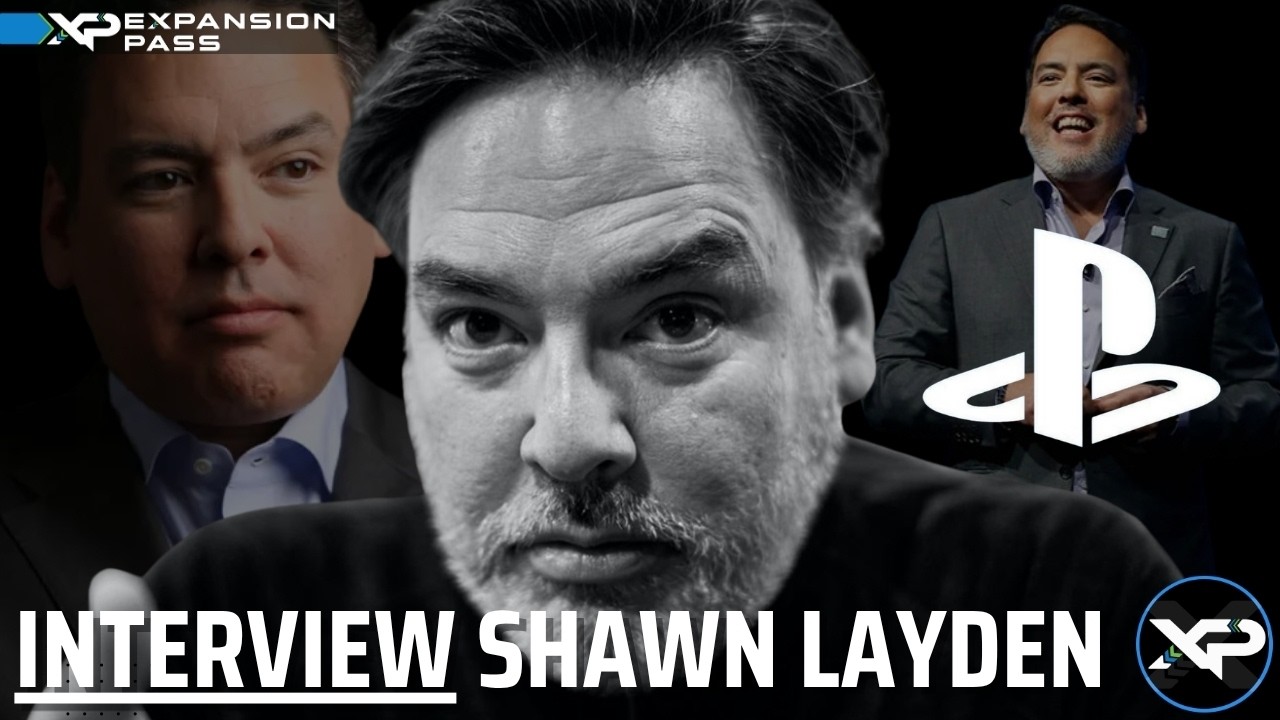
He provided his views during an appearance on the Expansion Pass podcast. "I've been involved with plenty of games that are 80, 90, 100 hours of gameplay," he starts. "And I'll be the first one to say they're not all quality hours. You know, some of that is running across the desert to get the red key to open the red door when you come back."
He believes development more broadly should circle around to projects that are contained and captivating. "So I would rather see a world where we have good 20 to 25 hour games that are just action-packed like a John Woo film that you just, you can't put down the controller," he adds.
One need only see how many games, especially in the triple-A space, have sandboxes to see his point. Your Assassin's Creeds and Final Fantasy games and the likes of Clair Obscur: Expedition 33 - they all require a considerable amount of time and energy to complete, and there's a certain amount of faff in each.
I say that with love, too. The first two installments of the Final Fantasy 7 remake trilogy are among my favorites of this decade thus far, and the same for all three of Insomniac's Spider-Man games. But they all have their share of side-quests or cookie cutter design I didn't enjoy.
Layden believes some part of the roots here lay in rental culture in the '90s, where devs would try and make sure a game couldn't be beaten in one weekend if you rented it. My mind immediately jumped to the stampede level of The Lion King on the SNES and Sega Genesis/Mega Drive for a prime example of making sure you'd be a repeat customer.
Such bloat became a design tenet. "Keep it tight and keep it banging, that's where I like to see it go," he says. "If we can make those smaller scale games and have an idea that what we're building to is that kind of template, I think a lot of the costs associated with game development will start to, if not decrease, at least stop increasing."
Estimates place the costs of Battlefield 6, Hideo Kojima's Physint, GTA 6, and many more well into hundreds of millions. When you look at widespread layoffs, one certainly appears to beget to the other. Hopefully, as the industry rights itself, it'll re-approach some of these structural ideas and aim for something more sustainable.

