





With a pair of one of the best wireless gaming headsets, you can sit back and properly relax with your favorite games, putting a stop to any cable-related mishaps and disruptions. Whether they're decked out with Bluetooth, latency-free 2.4GHz connectivity (or both), the best gaming headsets out there are able to make your games sound their best without the reliance on any annoying cables.
For another year, the SteelSeries has claimed the top spot for the best wireless headset, but the Pro Wireless is no longer number one. The new SteelSeries Arctis Nova Pro Omni that has impressed us more, as it carries the same high-end audio, hot-swappable battery tech, and multi-connection Game Hub as its predecessor, but with some neat upgrades in the mix. The Omni has the Pro Wireless beat as the new best gaming headset thanks to its Hi-res audio support, and ability to hook up to up to four sources and mix their audio simultaneously, among a slew of other quality of life features.
From budget-friendly cups to luxury wireless headsets with all the bells and whistles, I live with these headsets and put every single one through its paces over a range of genres and platforms to make sure it's up to standard. That means you can feel reassured you're getting the best value for money, no matter the budget. Not only do the best wireless headsets need to offer excellent wireless performance, compatibility, and battery life, but they also need to sound great, feel comfortable, and bring a bit of added flair to your gaming setup.
The Quick List

The SteelSeries Arctis Nova Pro Omni is our new favorite gaming headset on the market, and its improved features also make it our top wireless pick.

The SteelSeries Arctis Nova 3 Wireless provides Bluetooth and 2.4GHz wireless, a comfortable fit, audio preset support, and great sound and mic quality for most players.

Turtle Beach's cheapest wireless headset is the best for those after 2.4GHz and Bluetooth connections for under $80 / £80 right now - plus it improves battery life over older models.

With its baked in HDMI switcher and flawless compatibility with both PS5 and Xbox Series X, the Astro A50 X is the best multiplatform wireless gaming headset. Its Bluetooth stumbles are frustrating but it's perfect for a full setup.

The Arctis Nova 5x has the same drivers as the 7x but also features a range of console-specific EQ features that are perfect for consoles.

There's a massive 300 hour battery hidden in these still comfortable earcups. That's astounding considering you're still getting excellent audio quality and a lightweight build.

Gaming headsets have been glued to my head even longer than I've been reviewing them during my time as a gaming tech writer, and that includes ones not tethered by wires. Great audio quality, a high-end mic, customization options, and comfort are equally as important where wireless gaming headsets are concerned, but more so is ensuring you have a latency-free connection and an adequate battery life. These extra factors can come at a cost, but luckily there's a plethora of different wireless headsets out there for every budget, and I'm here to advise you on picking the right pair for your gaming needs.
August 21 - Since the last update, I've tested and reviewed the Corsair HS35 V3 wireless gaming headset. At just 250g, the HS35 V4 remains one of the most comfortable headsets I've ever tested, and it sounds just as great as it feels on the head thanks to its onboard 50mm neodymium drivers. If you're looking for a sub-$100 pair of cups for your PC, or you have a split PC and console gaming setup, this Corsair option is a great choice. However, its audio personalization options can feel pretty limiting as the pair relies on the Windows 11 Dolby Atmos app.
The best wireless gaming headset overall


The SteelSeries Arctis Nova Pro Omni is our new wireless go-to for anyone looking to invest in a high-end and audiophile-level audio system packed with extras that make it a multi-platform dream. It's not just the new best wireless gaming headset I've tested, but it's the best set of cups that have ever come my way.
✅ You have a split PC and console setup: The Game Hub means those who play across a couple of platforms are going to get the most out of this premium investment.
✅ You're a big music head: With the Hi-res audio support in tow, you can listen to lossless audio tracks the way they were intended, making this idea for gaming and music enjoyers.
❌ You're not a multi-platform gamer: If you're not going to use that DAC hub as intended, there's no point in spending more on it.
❌ You're primarily a console player: Consoles like the PS5 and Xbox Series X/S max out at 48k/16bit and can't take full advantage of the pair's hi-res audio capabilities.
Design: The Arctis Nova Pro Omni and the Nova Pro Wireless could be twins, but there are some design changes to find with this new pair if you know where to look. First of all, you've got that shiny new Midnight Blue colorway to admire, which is exclusive to the new headset. Additionally, those earcushions are a bit thicker this time around to improve comfort, and there's a textured dial which can be found on the Game Hub to make the dial easier to grab during heated gaming sessions.
Features: The key difference from the Pro Wireless with the Omni is that it's Hi-res audio compatible. Instead of just providing 96kHz/24Bit audio support via a wired connection like the Pro, you can achieve that audiophile-friendly sound without being at the mercy of a wire. If you don't have a split PC and console setup, this won't be a huge benefit to your games as the PS5 and Xbox Series X/S max out at 48k/16bit. However, PC games and hi-res audio music will sound dramatically better through the Omni's extra padded cups.
The Omni also features a new and improved GameHub. This new hub can connect to four sources (eg, PC, PS5, Xbox Series X/S, and Switch) at the same time, and the audio for all of those can be mixed simultaneously. On top of that, the new ClearCast Pro microphone has also experienced a bit of an upgrade and sounds better thanks to its increased 50-16,000 Hz frequency range, compared to 100-6500 Hz of the Pro Wireless, and it now mutes when fully retracted.
Audio: As you've got that Hi-res sound at your fingertips, the Omni sounds incredible out of the box. You don't have to do any tinkering with the SteelSeries GG EQ settings to get the best sound, and games will sound incredible as is. Of course, the Omni is compatible with the brand's GG PC software, so you can personalize the sound if you want. But during my multiple weeks' worth of testing, I never felt the need to do anything with the audio, besides making sure to toggle on Hi-res audio via the Windows sound settings.
Verdict: The Arctis Nova Pro Wireless, which used to sit in this best wireless top spot, is still a formidable headset. Now that the Omni has arrived, the Pro Wireless is likely to see more discounts that will make it more accessible for more budgets, but its features look outdated compared to what the new, shiny Omni has to offer.
Read more: SteelSeries Arctis Nova Pro Omni review
Comfort |
4/5 |
Audio |
5/5 |
Battery |
5/5 |
Microphone |
5/5 |
Versatility |
5/5 |
Build quality |
5/5 |
The best wireless gaming headset for most players


The SteelSeries Arctis Nova 3 Wireless was just $109.99 / £99.99 at launch, slightly more affordable than its Arctis Nova 5 Wireless brethren and a much more budget-friendly alternative to the Arctis Nova Pro Wireless. This SteelSeries headset piles on more quality of life features than the 5, including cuter Lavender and Aqua colorways to suit more gaming setups, a detachable ClearCast Gen 2.X microphone, a new slimline 2.4GHz wireless dongle, and fast charging too.
✅ You need the reassurance of a detachable mic: You can pop the boom of the Arctis Nova 3 Wireless off for some extra reassurance that strangers won't hear your random in-game chatter.
✅ You want lots of audio presets to play with: The Arctis Nova 3 Wireless is compatible with the SteelSeries Arctis app, giving you hundreds upon hundreds of official game audio presets at your fingertips.
❌ You want a more Pro sound: The 40mm Neodymium drivers are the same as found in previous SteelSeries headsets and can give justice to all your favorite games. But if you're after the most powerful sound in SteelSeries' repertoire, then the mighty SteelSeries Arctis Nova Elite with its hi-res audio support is your best bet.
Design: The Arctis Nova 3 Wireless will look familiar if you've spent any time with the Arctis Nova 5 Wireless headset, but its onboard controls are a little different this time around. The mic mute button and volume/chat mix dial are still on the bottom edge of the left cup, as seen in the 5 Wireless, however, now so are all the buttons you need to get this headset up and rolling. Instead of relinquishing the power button to the right cup, it’s now confined under the dial, and when pressing a series of different combinations, it also finds itself as the pairing and quick switch button too.
The most striking design difference is obviously down to its new colorways, which help make this headset a great option for most players. Instead of just a plain black or white design, you can grab it in Lavender and Aqua, making it more ideal for those of you who have cozy gaming setups or just prefer a splash of color.
Features: With the Arctis Nova 3 Wireless you're getting compatibility with a wide range of consoles and platforms, from PC platforms, the PS5, Xbox Series X/S (only with the 3X Wireless model), Steam Deck, and the Nintendo Switch and Switch 2. Plus, you'll get support with the free-to-download Arctis app to boot. The 3 Wireless also comes equipped with fast charging, which can give the headset up to 9 hours of juice after just 15 minutes' worth of charging and can have you back to gaming in no time flat.
Audio: The Arctis Nova 3 Wireless is decked out with the same impressive 40mm audio drivers as other headsets in this list, most notably the SteelSeries Arctis Nova 5 Wireless. That means it can conjure up the same high-quality audio, which, through my testing, let me hear every single green and red shell hurling towards me in Mario Kart World on the Nintendo Switch 2, and even the pitter-patter of every footstep as players tried to flank down my team in matches of Marvel Rivals on the PS5. It's not as powerful as the Pro, but still impressive, no matter the platform.
Verdict: The SteelSeries Arctis Nova 3 essentially feels like a re-packaged Arctis Nova 5 Wireless but with a range of more interesting colorways, a detachable microphone, speedier fast-charging, and a slimmer 2.4GHz wireless dongle. If you're after a low-cost headset that's compatible with a wide range of devices but doesn't skimp out on some of the features and impressive audio quality typically found on mid-range alternatives, the Arctis Nova 3 Wireless is an ideal choice for most players.
Read our full SteelSeries Arctis Nova 3X Wireless review for more.
Comfort |
5/5 |
Audio |
4/5 |
Battery |
4/5 |
Microphone |
4/5 |
Versatility |
5/5 |
Build quality |
5/5 |
The best budget wireless gaming headset


If you've got a hard $80 / £80 budget but you still want a wireless gaming headset, the Turtle Beach Stealth 500 is the best value on the market right now. It's a little weedier than other options closer to $100, but considering the price point it's still a fantastic contender.
✅ You can't go near $100 / £100 - The Turtle Beach Stealth 600 is a better headset overall, and only comes in at $20 more. At this point, that's more of a mid-range budget than entry level, though.
✅ You prioritize comfort - The Stealth 500 actually offers a more comfortable experience than the more expensive 600 Gen 3 model, with a floating headband design that alleviates pressure.
✅ You regularly play on handhelds - The Bluetooth connection is adding a little to the price compared to older releases, but is a fantastic addition for those who regularly play on a handheld PC or Nintendo Switch.
❌ The Stealth 600 is on sale - The jump between the Stealth 500 and 600 Gen 3 is a big one, and there's only $20 difference between the two. If the bigger model is on sale, I'd recommend opting away from this budget option.
❌ You travel regularly with your headset - If your headset needs to be able to withstand a more hectic journey, I'd recommend leaving the Stealth 500 at home. There were enough durability concerns in my testing to suggest that this one might not fare well with rough and tumble.
Design: The Turtle Beach Stealth 500 actually beats the slightly more expensive Stealth 600 Gen 3 Wireless in the comfort arena. With a floating headband design not too dissimilar to those seen in SteelSeries headsets, the 500 sits beautifully on the crown, without any unnecessary pressure. While the actual cushioning of each cup is a little less plump than the 600s, the lack of that harder headband more than makes up for it.
It's worth noting that this isn't going to be a a headset that fares particularly well when thrown in a backpack. The build quality of my test unit was a little concerning, with fabric stretched too tight over the cushioning of one cup, resulting in creases and strained stitching. The cheaper plastic frame does let you know this is a budget device, but it also keeps the weight down as well.
Features: I previously held the now four-year-old SteelSeries Arctis 1 Wireless as the best budget option, but it's been aged out by the Stealth 500. Where SteelSeries' previous generation cups offered 20 hours of battery life for $99 MSRP, the Stealth 500 packs up to 40 hours for $20 less. While the Arctis 1 relied on a 2.4GHz connection only, the Stealth 500 adds Bluetooth into the mix as well as a quick switcher button to instantly swap devices. This is one of the first budget wireless headsets I've tested that includes these traditionally more premium features - and they mean mobile and handheld use are now far easier in the entry level category.
There's an abundance of controls on the headset itself, though they did feel a little clustered when I first started using it. Plus, Swarm software is there to provide EQ and microphone adjustments as well as a full mobile app as well.
Audio: There's a bouncy quality to the Turtle Beach Stealth 500's sound quality that I wouldn't have expected to hear from a headset this cheap just a few years ago. There's also no hint of over-pumping the bass, which historically results in distorted audio among the lower price ranges as well. There's a good amount of power in these basslines, which can sometimes cluster up the mid-section, but overall audio quality is crisp, clear, and detailed for the price.
Verdict: The Turtle Beach Stealth 500 is the cheapest wireless headset I've tested that has actually impressed me in a while. For just a little extra cash, the Stealth 600 does improve on sound and build quality, but if you've got a harder budget it's likely these cups will be far cheaper on sale.
Read more: Turtle Beach Stealth 500 review
Comfort |
4/5 |
Audio |
3/5 |
Battery |
2/5 |
Microphone |
3/5 |
Versatility |
4/5 |
Build quality |
2/5 |
The best wireless multiplatform headset
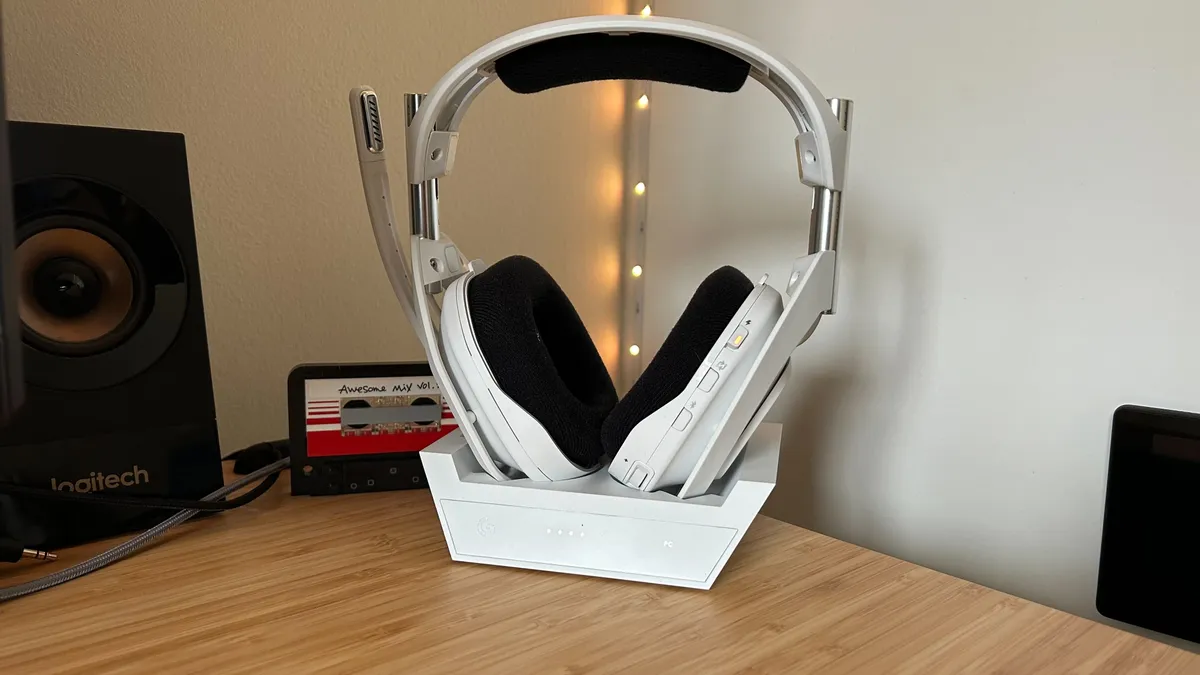


While the fact that its Bluetooth is limited to the base station itself, the Astro A50 X boasts an incredible unique feature that makes it the best wireless gaming headset for anyone splitting their time between PS5 and Xbox Series X. That's the built in HDMI swapper, allowing for full compatibility between systems and easy switching between that at just one press of a button.
✅ You play PS5 and Xbox Series X in one setup: If you're running a PlayStation and Xbox next to each other you're going to get the best value for money possible here.
✅ You don't want to play handheld on the go: Switch players and handheld gamers on the go will need Bluetooth baked into the headset itself rather than just the base station.
✅ You regularly switch between consoles: If you're hopping between inputs regularly, that easy switch button is going to prove its worth particularly quickly.
❌ You want to play on the go with handhelds: If you don't want wireless audio to be bound to your home, you'll need to look elsewhere.
❌ You need ANC: The Astro A50 X doesn't pack active noise cancellation features, though many in this upper price range do.
Design: The Astro A50 X doesn't stray too far from its predecessors in its design. The plastic device keeps the clean angular lines and large cylindrical headband struts of older releases, with a particularly sophisticated final effect. It's available in either black or white, but I do prefer the white model I tested - the geometric style of the base station and the softer curves around the bottom of each cup pick up particularly well in this colorway.
Construction feels solid in the hand, with plenty of rotation to ensure an optimal fit from each cup. I did note that the swivel on each side made placing the headset into the charging dock was particularly fiddly - especially considering the contacts need a little wiggling around to truly connect. Everything is nicely comfortable, with plush padding across the middle of the headband and lining each cup.
Features: This is the big one. The reason so many wireless gaming headsets are either designed for Xbox or PS5 is because the two consoles just don't speak the same connection language. However, Astro has skirted this issue by taking its audio from the HDMI signal instead. Around the back you'll find space for both consoles to connect via HDMI 2.1 (as well as a USB-C for your chat). Once set up, and provided your consoles are set to rest rather than being turned off, the base station can swap both video and audio between them at the press of a button - all while keeping the full 4K 120Hz signal intact.
There's a but here, one I found when trying to use the Astro A50 X for Nintendo Switch. The Bluetooth connection is tied to the base station itself, which means you won't be able to use the A50 X on the road with a handheld device. Similarly, those who use a PC in a different setup to their consoles will also be stuck transporting the entire base between setups. That quickly became frustrating during my testing, and would be enough reason for me to only recommend this headset to those with an all-in-one setup.
This is the best audio I've personally heard through a gaming headset yet
Astro A50 X review
Performance: That slick design and fancy feature set wouldn't be good for anything if these headphones didn't sound as great as they do. This is a particularly powerful sound profile, with a slight emphasis on the lower mid-range, but still nicely defined higher tones with plenty of space in the soundstage. That makes everything from music to games feel just that little bit more vibrant, especially considering the Astro A50 Xs do such a good job at separating more delicate sound effects from even the most chaotic of background gunfights.
Verdict: The Astro A50 X is heavily reliant on its base station, even needing it for Bluetooth functionality, however if you've got a setup that suits it (your PS5, Xbox Series X, and possibly PC all sharing one screen) it's going to be a game changer.
Read more: Astro A50 X review
Comfort |
4/5 |
Audio |
5/5 |
Battery |
5/5 |
Microphone |
3/5 |
Versatility |
3/5 |
Build quality |
4/5 |
The best wireless gaming headset for consoles
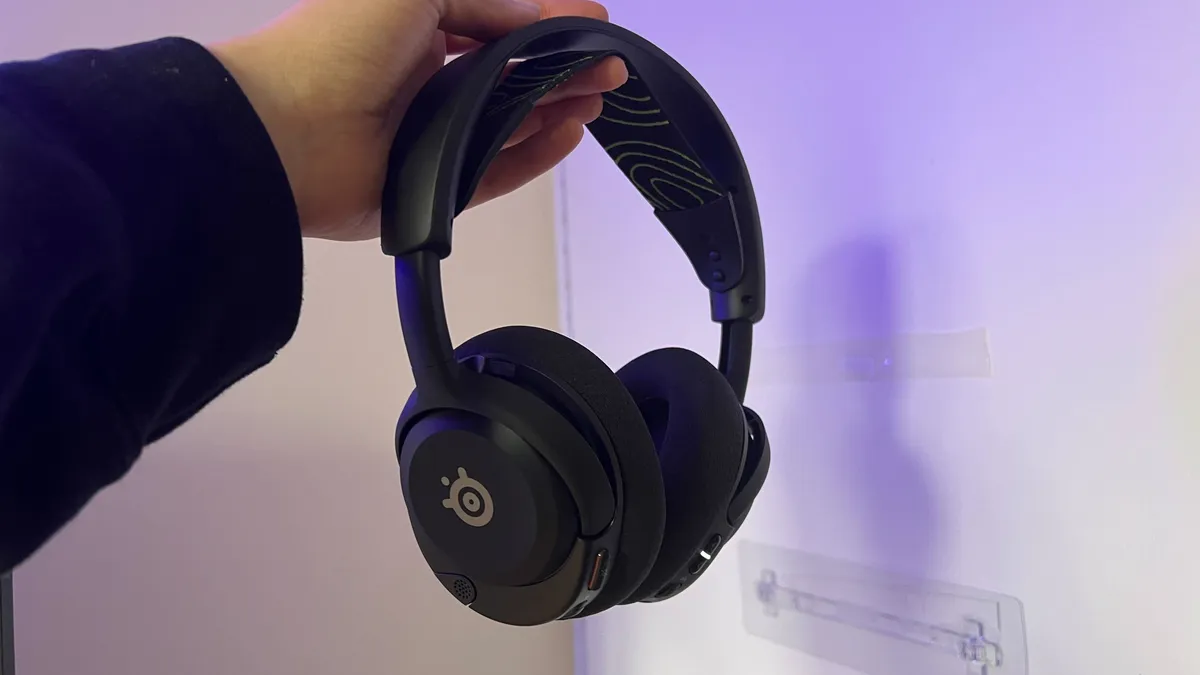


We previously had the SteelSeries Arctis Nova 7X in this position, but then the newer Nova 5 Wireless dropped. This slimmer headset packs the same audio quality as the more expensive option, but drops simultaneous connectivity in favor of a set of console-specific EQ presets that are more than worth it.
✅ You want tailored audio: It's difficult to find a wireless headset that will provide the same kind of game-tailored audio on console as it will on PC. The presets available in the Nova 5's companion app are incredible considering this is such an untapped market.
✅ Your headsets take a beating: This is a particularly durable build, with nicely flexible materials and solid construction. If your tech needs to withstand some knocking around, this is a fantastic option.
✅ Comfort is a priority: Not only is this a slimmer, lighter headset, but its design means there's no ear-clipping and the entire frame can hold up comfortably for longer sessions.
❌ You direct EQ sliders: While there is a massive selection of presets available, finer controls over each EQ slider is still reserved for PC use.
❌ You rely on comms: The microphone in here isn't as good as other options (see the Razer BlackShark range), so if you're going to playing competitively for most of the time you might want to look elsewhere.
Design: SteelSeries didn't rip up its rulebook with the latest release. This is still the same ski-band style headset you'll recognize from the rest of the range. That means you're getting smaller, more circular cups than you find on other models, but still fantastic comfort that lasts. I noted that the seal created by these particular cups was particularly strong in my testing as well, so while there's no ANC on board the form factor manages to create a solid isolation.
This thing is solid as well. No matter how much I bent and shaped the headband, or shook the cups, there was no creaking, splintering, or rattling anywhere. That's a big vote of confidence for long-term durability.
Features: The biggest reason I'm putting the Nova 5X Wireless up as the best wireless headset for consoles is the companion app. There are over 100 presets in here, covering a massive range of games, covering everything from Fallout to Fall Guys. A Bluetooth connection keeps you in-tune with your phone while a 2.4GHz receiver runs up to your Xbox, but it's worth noting there's no simultaneous connections here. Higher-end headsets will allow you to, for example, listen to music on your phone while still running game audio from another source. However, you're switching between inputs here.
Still, you're getting a good spread of onboard controls to go with those presets. A chat mix dial and Bluetooth quick switcher are both added here (the Nova 4 drops these features), alongside the everyday volume, mic mute, and power options. A solid microphone is tucked away in the cup itself, extendable whenever it's needed.
Performance: Considering you're still getting the excellent audio quality we heard in the Nova 7s, the 5X Wireless offers fantastic value for money overall. This soundstage is particularly strong in its detailing with plenty of attention paid to the lower ranges. That does mean there's less of a booming bass here, but with the mid-range remaining crystal clear everything is tuned to games here. And that's even more apparent when fiddling between different presets. While some feel a little redundant (Fall Guys doesn't particularly benefit from souped up audio), these settings are thoughtful in their approach meaning even Baldur's Gate 3 and Mario Kart 8 feel their benefit.
Verdict: The SteelSeries Arctis Nova 5 Wireless does make some sacrifices when put up against high-end headsets (simultaneous connections being the most notable). For the cash, though, there's no better value out there for console purists.
Read more: SteelSeries Arctis Nova 5 Wireless review
Comfort |
5/5 |
Audio |
4/5 |
Battery |
3/5 |
Microphone |
5/5 |
Versatility |
4/5 |
Build quality |
5/5 |
The best wireless gaming headset for battery life


The HyperX Cloud Alpha Wireless is an extraordinary headset and does earn a place on this best wireless gaming headset list - but it is also a frustrating set; stumbling with one feature that could have really made it a world-beater.
✅ Battery is everything: That 300 hour battery life isn't something you see every day. If you're just after fantastic audio you don't need to think about charging, this is the headset for you.
✅ You mostly play single player: That mic is particularly weak, which means we can only recommend this wireless headset to those on solo adventures.
❌ You play online with chat: This is perhaps the strongest 'don't buy it if' recommendation on this page. The HyperX Cloud Alpha Wireless does have a particularly disappointing mic - if you play online with chat, we'd seriously urge you to look elsewhere.
❌ Charging isn't a hassle: Of course, that battery life costs money. If you don't mind plugging in every now and then you may find other options more appealing.
Design: The design and build are classic, quality HyperX: a simple black and red design with sturdy arching frames for each cup, and a solid and comfortable headband between the two. And the buttons are simple and restrained too - just a volume wheel on one cup, and the mic port, mic mute, power button, and charging port on the other.
Features: The battery life is the main feature here though, and the thing that all the marketing around this headset banged on about - claiming up to 300 hours of battery life, no less. And, I have to say that I have come to believe that claim wholeheartedly: after 110 hours I have had to give up counting just to move on with my life, while the chap in the earcups tells me it has gone down to only 70%. It really is remarkable and a big selling point for the set.
However, the big caveat with this headset is that I found the mic to be really quite bad. Covering all of what you don't want from a microphone - muffled audio to my friends, crackling, inconsistent volume, and indistinct clarity - at times I was having to basically put it in my mouth to be heard.
Audio: The sound quality is truly excellent. No matter what game we were playing during testing, the Cloud Alpha Wireless's audio shone and excelled. It will have your back whatever you play from the busiest of chaotic shooters to the quietest meanders through open-world landscapes, and everything in between. We were particularly impressed with the clarity of each and every detail of the audio too, from booming weapons to the tweeting of birds. The headset is even excellent for music and TV and film too which is a great plus.
Verdict: What results is a headset that is seriously perfect for you if you don't play much, if any, online games that require communication - if you do, then there might be a better set on this list for you.
Read more: HyperX Cloud Alpha Wireless review
Comfort |
4/5 |
Audio |
4/5 |
Battery |
5/5 |
Microphone |
1/5 |
Versatility |
3/5 |
Build quality |
4/5 |
How we test wireless gaming headsets

We use each wireless gaming headset that passes our desks as if we had just purchased them ourselves. That means running through all daily work, play, streaming, and music using the device while also scrutinizing build quality, comfort, and ease of use throughout.
The first thing we note when removing a headset from its box is, inevitably, design. There's more than just a subjective appreciation for aesthetic in this process, though. A headset's weight, balancing, cushioning depth and materials, and microphone placement will all contribute to the overall comfort of a device. We test this comfort long-term by running several longer gaming sessions through each wireless headset, and by spending work days plugged into music and meetings for extended periods of time. Beyond ergonomics, though, a wireless headset needs to hold up in its build quality.
We flex, bend, swivel, and bop every hinge and headband on a wireless headset, constantly listening and feeling for creaks or wobbles to ensure a build is robust. Beyond noting the actual materials and connections used, we're putting every strut and cushion through its paces through fiery rage quits and more professional drop tests.
While wireless headsets generally offer similar spec sheets when it comes to features, there are always going to be individual aspects that stand differently. We fully test each wireless headset across all its connection types; Bluetooth, 2.4GHz, and wired. That means testing across a range of platforms in each connection mode as well - paying particular attention to range, strength, reliability, and speed.
Beyond that all-important connection, we're constantly evaluating how onboard controls enhance or hamper everyday and competitive experiences while also putting the mic through stringent team tests and work calls. Battery life is one of the first features we explore, though. As soon as a wireless headset comes out of the box, we charge it fully and allow that full charge to run its course naturally over the course of at least two weeks full work and play. That can be anything from eight to 13 hours of use per day.
In order to examine audio performance, we test across a range of different genres, from the vast spaces of an open world to more close-quarters combat scenarios. Of course, sound is always subjective, so we test across the same seven games every time. These titles are spread across different platforms and offer their own specific challenges across directional accuracy, soundstage size and precision, frequency power and clarity, and potential for distortion.

Marvel Rivals and CS2 are our competitive games of choice, used for testing directional accuracy, microphone clarity, and soundstage imaging, particularly in the lower mid-range. We use a wider open scene with a couple of nearby machines in Horizon Forbidden West to see how well each headset deals with a cluttered mid-range, and how well it balances these more clustered scenes. Marvel's Spider-Man Miles Morales is used to measure directional audio in a busier scene (the main mission Time To Rally).
Doom Eternal tests a gaming headset's power in the lower range, as well as the depth of its soundstage. Dead by Daylight is used to measure a less busy, but more atmospheric, environmental soundstage and how it places voice-chat within the audio soundscape. We finally use each headset across a few levels of Super Mario Sunshine or Super Mario Galaxy to assess the handling of higher ranges as well.
Some game choices can differ depending on any given reviewer's access, and it's always pertinent to test headsets during a whole range of games, including titles even outside our specified list. Ensuring we're using not just the same games across each headset we test, but also brand-new releases is pertinent to recommending each and every set of cups.
Once each headset then makes it through the full testing process, it is assigned scores based on comfort, audio, battery, microphone, versatility, and build quality for each comparison across previous reviews. We're constantly comparing headsets to their similarly priced competitors - often switching back and forth between the devices during testing.
For more information on how we test gaming headsets, check out the full GamesRadar+ Hardware Policy.
Also tested
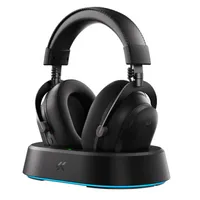
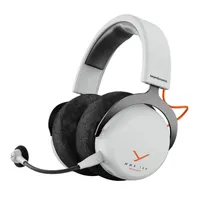
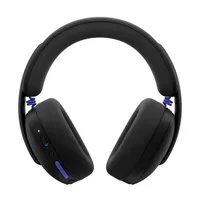
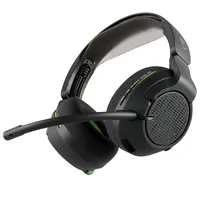
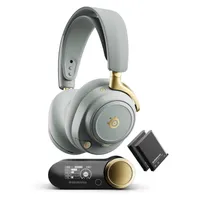
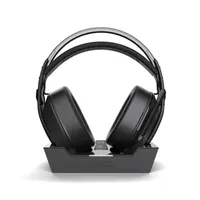
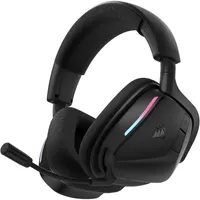
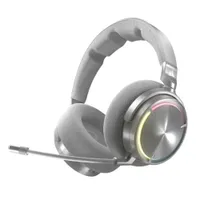
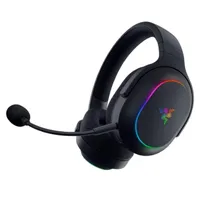
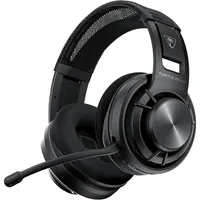
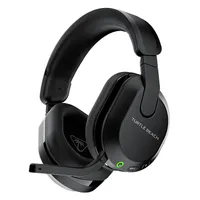
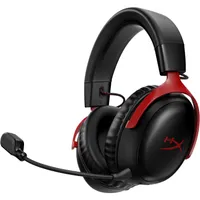
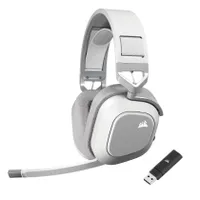
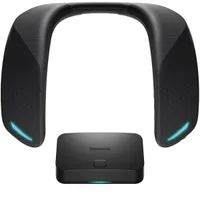
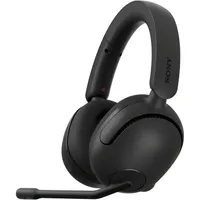
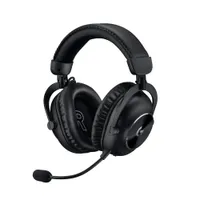
How to choose the right wireless gaming headset
Why you can trust GamesRadar+ Our experts review games, movies and tech over countless hours, so you can choose the best for you. Find out more about our reviews policy.
Finding the right wireless gaming headset for you comes down to a series of factors; what, how, where, and when you play. Each of these factors has a different bearing on the connection, overall design, microphone, and battery life of your device. Of course we all want the best audio experience possible - but finding the right combination of these extra features can help you get the best value for money overall.
That's because some players might be able to stick with more expensive features like a 2.4 GHz wireless connection or high-end microphones in order to pick up far better sound quality for their money overall. On the other hand, some may prefer to put more cash towards a long-lasting battery life and versatile suite of connections rather than prioritizing competition-level sound, so a wireless headset just won't do. Finding the right balance of priorities can help you find the right headset at the right price.
Glossary
Whether you're buying your first wireless headset or you're simply looking to brush up on some key terms before diving into your research, you'll find all the jargon laid out just below.
- 2.4GHz: A low-latency wireless connection alternative to Bluetooth.
- ANC: Active noise cancellation removes unwanted external noise by sensing it with an external microphone and blocking it with an extra sound frequency.
- Bluetooth: A slower but more widely compatible wireless connection option compared to 2.4GHz.
- Closed-back: The most common headset design, where the driver is completely enclosed within the cup itself.
- Driver: The element of a gaming headset that converts electrical signals into sound waves.
- Dual-connection: A feature of wireless gaming headsets that means it can connect to both 2.4GHz and Bluetooth.
- Dynamic: The most common driver type featured in gaming headsets.
- EQ: Short for equalizer, EQ settings allow you to fine-tune your listening experience by manipulating the emphasis on certain ranges, usually via a separate software.
- Frequency range: The range of sound that a headset can produce, usually 20Hz - 20KHz
- Latency: The speed at which the headset receives information from the PC or console, a higher latency should be avoided if playing competitively.
- Open-back: A less common headset design in which the driver is left exposed through the chassis.
- Receiver / Transmitter: An attachment or hub that receives mic signal from your headset and transmits audio signal to your headset. Usually a small USB-C or USB-A dongle, or a larger box.
- Simultaneous connection: A wireless headset feature that allows for separate Bluetooth and 2.4GHz connections to be active at the same time.
Best wireless gaming headset: FAQ

What is the best wireless gaming headset?
The best wireless gaming headset right now is the SteelSeries Arctis Nova Pro Omni. We always strive to fill our guides with headsets that will appeal to everyone, no matter your preferred platform, audio grade, or budget. That means those striving for value for money should grab the SteelSeries Arctis Nova 3 Wireless, and those scraping the bottom of the budget barrel will be happy with the Turtle Beach Airlite Fit.
What is the best wireless gaming headset brand?
It's always hard to narrow down a whole field of quality gaming tech to a single brand. And while we do, naturally, put one brand's headset at the top of our best wireless gaming headset list - in this case, SteelSeries - each brand and make has its own attractions, appealing factors, and qualities that will help you make your choice. For example, is battery life and sound quality your main concerns? Then check out EPOS | Sennheiser's GSP 370. Is sheer gaming audio quality your absolutely top priority? Then go for Razer's BlackShark V2 Pro or the SteelSeries Arctis Nova Pro Wireless. On a budget? Check out the Turtle Beach Stealth 700 or 600 Gen 2 headsets.
Each one on our list will offer something slightly different - so while it might be really tempting to try to put one brand above the rest, the reality is that its just a bit more complex and nuanced than that.
Are wireless headphones OK for gaming?
Wireless headphones are indeed 'OK' for gaming - but they aren't a total replacement for gaming headsets. For most folks, the audio given by a pair of wireless headphones will likely suffice for gaming - single-player games particularly. For anyone who plays competitively, however, or who just likes to ensure they and their games are high-tuned for success, a gaming headset is going to be the way forward as there are some latency concerns with normal headphones.
The latter is particularly the case when using a Bluetooth connection - we'd recommend avoiding this and choosing, where appropriate, a 2.4GHz wireless connection if you can to ensure that you have a seamless wireless gaming audio experience.
Do wireless gaming headsets have lag?
Yes, wireless gaming headsets do have a degree of latency, which pretty much comes with the territory. Audio lag, or 'audio latency' takes place as it takes time for your headset to transfer the audio data from your console to your headset.
If you're at all worried about any prospect lag in your audio, I recommend grabbing a wireless headset with also has a 2.4GHz connection, as it can provide a lower-latency connection than Bluetooth. Additionally, while wired headsets still have latency of their own, you can alternatively pick up a wired alternative, but you will be at the mercy of wires, and so more limited with your movement and distance from your TV/gaming monitor and gaming platform of choice.
If you'd prefer something of the earbud variety, check out our best gaming earbud list for all our favorite buds we've had hands-on experience with so far. There's also our best gaming headset list which is full to the brim with the best wireless, and wired headset to level up your gaming sessions.

