
Kingdom Come: Deliverance 2 didn't take home any trophies at The Game Awards. Still, it remains the best RPG I've played this year, and if it offers developer Warhorse any consolation, it took the top spot in my own Game of the Year voting. I've spent much of 2025 obsessed with the medieval RPG, and months after rolling credits, I often find myself thinking about the ways in which it pushed back against the slicker, smoother direction that many of its genre peers have moved towards over the years.
Awards or no, Kingdom Come: Deliverance 2 is an astounding measure of success for Warhorse. Prior to the event itself, I caught up with Prokop Jirsa, lead designer, and Tobias Stolz-Zwilling, communications director, to learn why the studio was so confident in the foundations established by Kingdom Come: Deliverance.
Henry's come to visit
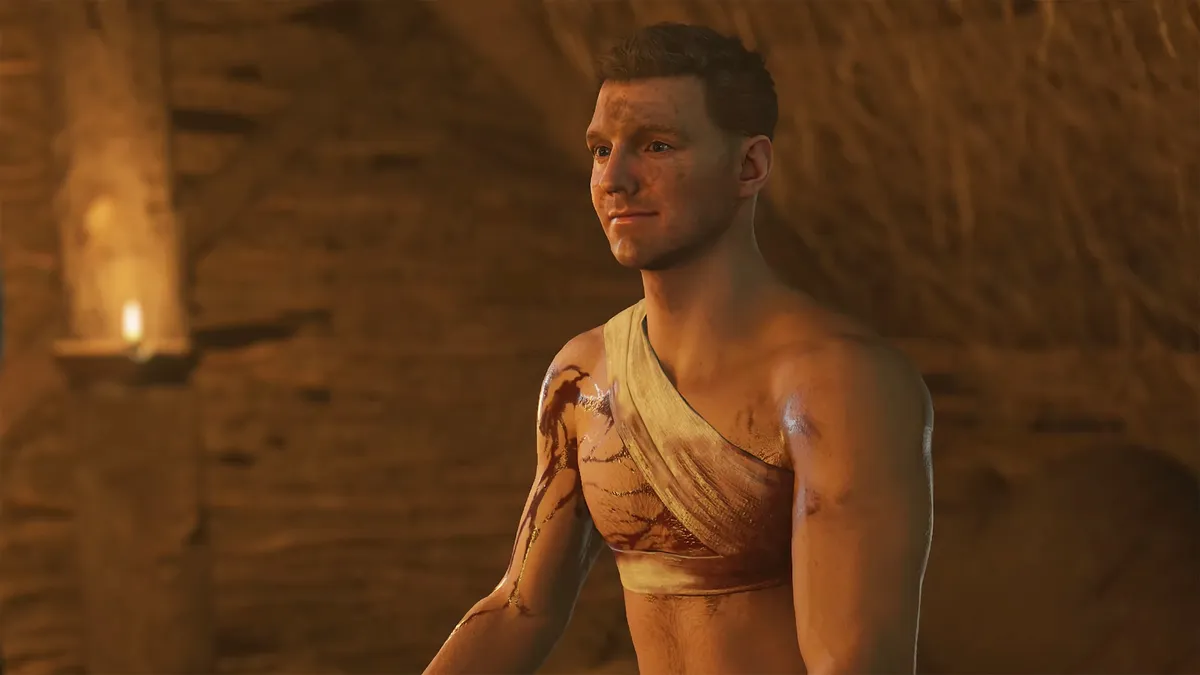
One of Kingdom Come: Deliverance 2's main draws is its pacing. Much has been said of the RPG's tough beginning, in which players are stripped of everything and set loose in a sprawling world. In those moments, scrounging for groschen to buy a shovel because graverobbing seems like a reasonable way to pay for your dinner, it can feel like the traditional relationship between games and their players has been skewed – as if Kingdom Come: Deliverance 2 doesn't want you to play.

GamesRadar+ presents Year in Review: The Best of 2025, our coverage of all the unforgettable games, movies, TV, hardware, and comics released during the last 12 months. Throughout December, we’re looking back at the very best of 2025, so be sure to check in across the month for new lists, interviews, features, and retrospectives as we guide you through the best the past year had to offer.
But that's not true. In reality, it's difficult to starve to death, and combat becomes significantly easier once Henry gets his hands on armor. Those earlier moments certainly have their trials, and for many players they may prove too much, but Kingdom Come: Deliverance 2 never wants you to stop playing: rather, it wants you to slow down, appreciate the little things, and make your own stories. For the receptive, it's an act of love.
That approach required Warhorse to commit entirely to its slower pacing, despite internal sentiment that "instant gratification in gaming has become a problem." To flout that meant having confidence that other people still wanted slower, more experiential RPGs. Jirsa admits it was "scary," but the team were bolstered by the success of Kingdom Come: Deliverance and its reception – criticism was largely focused on technical issues, while praise was heaped upon its realism-driven approach.
"That gave us the strength to continue, even though there were many discussions [asking] 'Are we really going the right way? Are we really into these survival elements, do we really want to take everything from the player at the beginning? Even their place to sleep?' We had playtests where some players started a game, did something wrong, immediately got arrested, and gave negative feedback," says Jirsa. "We had the strength to say, 'Yes, that's what we want'. We want the player at the beginning to feel extremely weak, because then the validation of gaining strength feels earned."
Rather than compromise in those areas, Warhorse looked to make Kingdom Come: Deliverance 2 more accessible. "It was much more intuitive [and] polished – it's easier for you to understand why you are dying, or where you have to go," says Stolz-Zwilling, who feels the sequel is "in all aspects the better game."
Is it future or is it past?

Many areas of Kingdom Come: Deliverance 2 still make the game feel semi-niche in comparison to most RPGs. Things like having to eat, sleep, and keep your sword sharp are just some considerations you can't ignore without running into issues, while directional combat begs time and patience to learn. Given the potential for abrasiveness, it still comes as a surprise to see Kingdom Come: Deliverance 2 break through to the mainstream so dramatically.
"We were not the first," offers Jirsa, pointing to FromSoftware. "With Dark Souls and Elden Ring, they took something that was very niche to the mainstream audience and were very successful."
"I honestly believe there's big potential for original ideas that, if they were given a chance to be polished, could reach mainstream," he continues. "You can say the same thing about Death Stranding! It's a game about delivering packages, and it's a very successful mainstream game."
Jirsa and Stolz-Zwilling are both quick to praise Kingdom Come: Deliverance 2's publisher, Plaion, for trusting Warhorse with the time and freedom to achieve their vision. The game has long since exceeded anyone's financial expectations, and with the likes of Clair Obscur: Expedition 33 and Baldur's Gate 3 finding success without fitting the genre's contemporary mold, the divide between niche and mainstream is perhaps thinner than ever. "I don't think you need tens of millions of players to move forward, get better, or be successful," says Stolz-Zwilling. "What you need is a bunch of really engaged people who are your fans and biggest critics, in the most positive and negative ways."
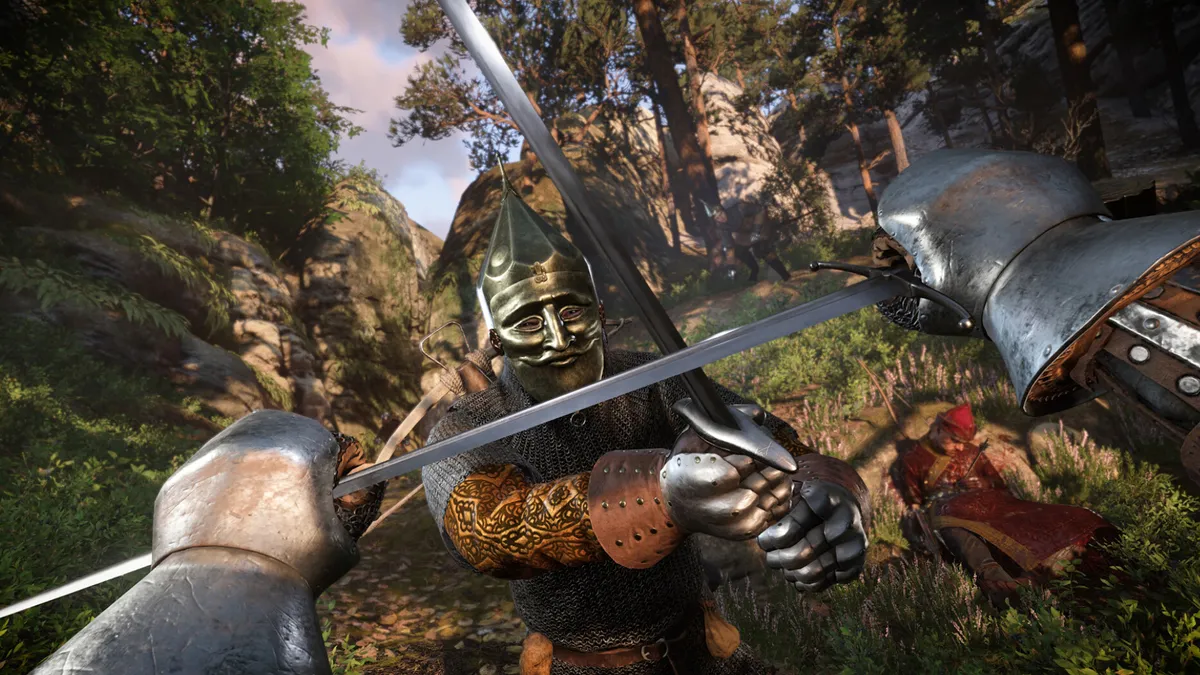
Meanwhile, Jirsa believes there is "opportunity" in supporting established, successful independent studios to make their original visions a reality. "[By indie] I mean independent studios that can have tens of people, and if given support and money, can build very successful original games."
"It's a much harder thing to do when you already have a huge studio," he continues. "If you have, you know, 4,000 employees and suddenly say 'OK, these 2,000 employees will try something completely new,' the associated risk is really high. It's very easy to critique a big company for not really making [many] original things or games. But the games are so high, and it's not always just that executives don't play games or don't understand anything. Many times it can be a reasonable thing to do – to keep making what they know how to do."
With that in mind, predicting Warhorse's next move remains anyone's guess. I'd love to see where Henry's story picks up in Kingdom Come: Deliverance 3, but I'd give my last groschen for Warhorse to ease me into any world as effectively as it's already done with Bohemia. After all, Kingdom Come: Deliverance 2's success has been hard-earned – and not just because it goes against the grain. Thinking back to the first game, Jirsa puts it best: "We were on Kickstarter begging for support – some unknown company from the Czech Republic, pitching a game that no publisher actually wanted [...] 10 years later, we are nominated for Game of the Year with its sequel."
Stolz-Willing, meanwhile, looks forward to seeing how the team develops further. "We do not have a hire-and-fire mentality," he says. "We do have a lot of young guns that never worked on a video game before they came in. The sky's the limit. I strongly hope that we stay as we are."
If you're looking for something else to play, be sure to check out the best games of 2025, as decided by GamesRadar+.

You must confirm your public display name before commenting
Please logout and then login again, you will then be prompted to enter your display name.


