You are now subscribed
Your newsletter sign-up was successful
Want to add more newsletters?

Every Friday
GamesRadar+
Your weekly update on everything you could ever want to know about the games you already love, games we know you're going to love in the near future, and tales from the communities that surround them.

Every Thursday
GTA 6 O'clock
Our special GTA 6 newsletter, with breaking news, insider info, and rumor analysis from the award-winning GTA 6 O'clock experts.

Every Friday
Knowledge
From the creators of Edge: A weekly videogame industry newsletter with analysis from expert writers, guidance from professionals, and insight into what's on the horizon.

Every Thursday
The Setup
Hardware nerds unite, sign up to our free tech newsletter for a weekly digest of the hottest new tech, the latest gadgets on the test bench, and much more.

Every Wednesday
Switch 2 Spotlight
Sign up to our new Switch 2 newsletter, where we bring you the latest talking points on Nintendo's new console each week, bring you up to date on the news, and recommend what games to play.

Every Saturday
The Watchlist
Subscribe for a weekly digest of the movie and TV news that matters, direct to your inbox. From first-look trailers, interviews, reviews and explainers, we've got you covered.

Once a month
SFX
Get sneak previews, exclusive competitions and details of special events each month!
With anime on the rise globally, it's heartening to see how strong this winter season is turning out to be. New shows like Sentenced To Be A Hero and SHIBOYUGI: Playing Death Games To Put Food On The Table have lots of potential, while returning heavy hitters such as Jujutsu Kaisen season 3 and Frieren season 2 have cemented themselves as modern-day classics.
Yet the strongest series, the one that might stay with you the longest, isn't concerned with displays of might or physical prowess. Any magic to be found here is strictly of an emotional kind. And while death does play a key role throughout, there's no violence to speak of.
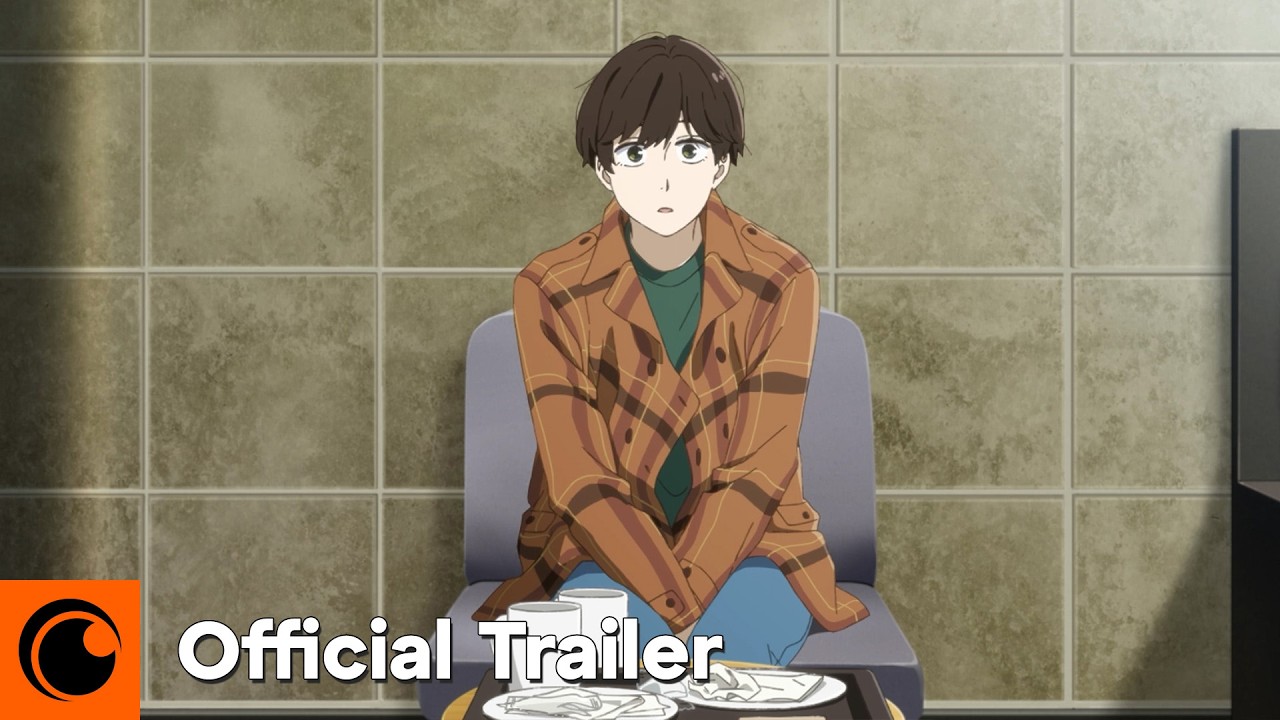
Director Miyuki Ooshiro and her team at the Shuka animation studio closely follow the source material in their version, especially when it comes to the story.
In both cases, two very different worlds collide when 15-year-old Asa Takumi moves in with her aunt, Makio Kōdai, following the death of her parents. Makio is used to living alone, writing her novels in peace and isolation, so this turns out to be quite an adjustment for the pair. Yet Makio tries to do right by her niece, despite the strained relationship she shared with Asa's mother prior to the accident.
We don't realise at first, however, that tragedy is what brought these two together. Journal with Witch opens more gently than that, introducing us to Asa singing as she cooks breakfast for the pair.
There's clutter all around, stacked books and random pages, as Makio types away at her novel in the next room. The pair seems comfortable, at harmony with one another. But then Asa realises that she might be disturbing Makio so she stops singing and apologises. Makio interrupts, but not to scold or even reassure. She simply asks Asa to sing a song by Justin Bieber. Her niece is surprised, as are we, but with bemusement in a scene that speaks to the ease at which they meet in the middle, despite their very different personalities.
It's not until later that we discover how this domestic scene came to be. But even then, there's no flashback to the car accident or its immediate aftermath. Instead, Journal with Witch gently unfolds at its own unhurried pace. We watch as Makio offers her home up to Asa, even though they didn't have a relationship to speak of before now. And then we watch as two people learn how to make space for each other, how to accept differences, and grow as they move through their grief in different ways.
We sit with the quiet domesticity that comes with day-to-day life. The pair makes food together, they figure out paperwork, they meet people who are important to each other. We observe, yet we're very much part of it all too, seeing the minutiae of our own everyday lives ground the pain but also the joy of what it means to be alive.
The quiet life

Journal with Witch sits with emotion rather than shouts about it. There's no melodrama to speak of, despite the subject matter, and there's no tendency to overplay the feelings threaded throughout. It's not until episode three that Asa truly opens up when it comes to her grief, but even then, the writing refuses to overplay the emotions at hand. Still, that's not to say it's any less emotional to watch.
Beautiful beats of contemplation and observation are brought to life with light, clean linework and a minimalist score from master composer Kensuke Ushio (Chainsaw Man – The Movie: Reze Arc), who adds rich texture to the depth of emotions concerned. There's great warmth to the voice acting too, whether Miyuki Sawashiro (Makio) and Fuuko Mori (Asa) are conversing in the study or Asa's inner desert-scape where her emotions are visually realised. Slice-of-life or otherwise, there's something uniquely subdued yet striking about the world that's been crafted here.

That's down in part to just how unique Journal with Witch is as a whole. How often do we see a female director at the helm of a story that revolves around two women bound, not by romance or profession, but by life itself? There's great poignancy to be found in the smaller details, which reward observant viewers, such as the little shifts Asa and Makio take to accommodate each other and learn a new way of living together. There's a deftness, a soft emotional intelligence in the writing that treats us as intelligent too.
Whether Asia and Makio are making gyoza together or napping, there's poignancy to be found in every action, every frame. Journal with Witch is very therapeutic in that sense, much like journal writing is for Asa. Even through the clutter and chaos, the series is always relatable in observations of life, even if we haven't all been through the same trauma as Asa.
Makio truly sees Asa at a moment in her life when she needs it most, and isn't that all we could ever hope for? I just hope more people see Journal with Witch itself to connect with that feeling. Shows like Frieren and Jujutsu Kaisen also deal with memory, grief and trauma, but not like this. Journal with Witch is a unique marvel, a one-of-a-kind masterpiece that immediately declared itself as an instant classic upon arrival.
Journal with Witch is streaming now on Crunchyroll. For more recommendations, check out our list of the 25 best anime shows to watch in 2026. Or, if you've seen all of those, here's all the new anime still to come this year (and beyond).

You must confirm your public display name before commenting
Please logout and then login again, you will then be prompted to enter your display name.