


Valve's $1,049 starting price means trying to build a Steam Machine is all the rage. Many of you will end up with a standard budget gaming PC instead, since you can't achieve the same compact build and thermals using off-the-shelf parts, but one of my favorite modders is turning old laptops into something close for less than a 32GB kit of RAM.
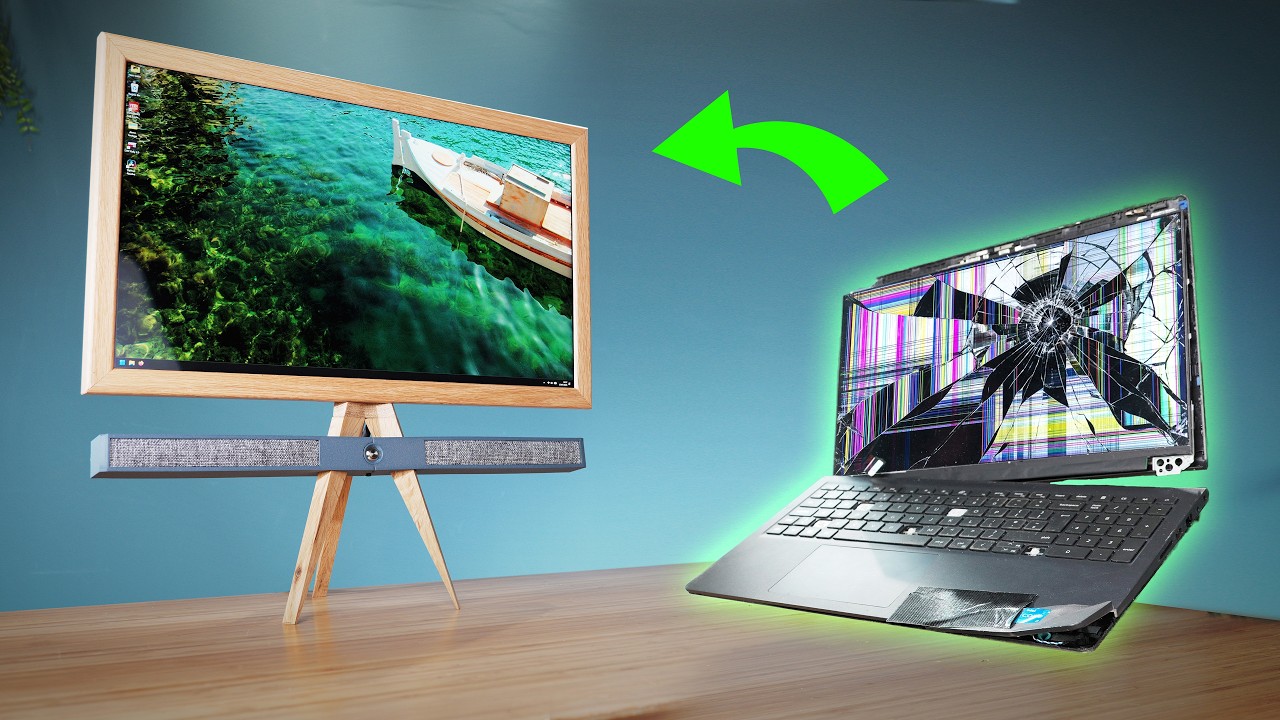
Over at DIYPerks, Matthew Perks has you covered on how to turn an old laptop into either a snazzy all-in-one gaming PC or an ultra-thin alternative to the Steam Machine. The idea is that by recycling spare parts, motherboards, or parts from systems with busted screens, you can put RTX 5060 machines back into action for "three times cheaper than a system out of standard components."
In the tutorial, Perks explains that unlike the parts in a Steam Machine or even a regular desktop build, laptop motherboards are considered "exclusively only useful to people who need them as a spare part." Effectively, the only users really reaching for these components are people who have a specific damaged device, meaning only a "limited pool of people" has eyes on existing stock.
Perks adds that these motherboards have been "insulated from the insane cost of hardware we've seen lately," describing the phenomenon as like a "time glitch where you can buy high-powered parts at yesterday's prices." Keep in mind you're not just getting a motherboard here; you're also getting a discrete RTX 4060 GPU, AMD Ryzen AI 9 HX 370, 32GB DDR5 RAM, and a full cooling solution included for under $400.
The price paid for this project specifically was $380, and given that you'll pay $420 today for a 32GB RAM kit. Naturally, the catch is that you'll have to take the motherboard and adapt it slightly to be a standalone gaming PC. That's way simpler to do than you'd think, though, and while DIYPerks is known for making more elaborate pieces of tech art, you could just borrow some basic tips for your own.
Some of the challenges of this project are exclusive to the choice of motherboard, as DIYPerks first has to whip up a power-on button. Many laptops include a standalone button, but this one opts for a more modern power key on the keyboard that corresponds to a specific ribbon cable connector pin. Luckily, the same rules as testing a full desktop PSU apply; if you can locate the responsible pin, you'll be able to send the right signal by shorting it to ground.


Doing that means you can hook up a button of your choosing for mounting to whatever case you end up opting for. In typical DIYPerks fashion, Matthew goes the extra mile and restores a smashed iMac Retina screen by removing its laminated glass, framing it with wood, then making a custom backplate out of aluminium before mounting the laptop motherboard to the back along with a display driver and a TV subwoofer.
The end result is a gorgeous tripod all-in-one RTX 4060 PC with front speakers and full access to ports. You don't have to go that far if you're just looking for a Steam Machine alternative, though, as DIYPerks reveals an ultra slimline portable rig with a yellow housing using the same technique of sandwiching the motherboard between standoffs and aluminium, resulting in something that almost looks like an extra large graphics card for just $300 all in.


I've already touched on why you can't build your own Steam Machine, but DIYPerks has illustrated how to make a close alternative. Creating a custom version of the GabeCube wasn't the main focus of this DIYPerks project, but if you're more fussed about cost than obtaining a mini PC with the exact same thermals, power efficiency, and SteamOS already included, reviving an old laptop could be the right call.
Take a peek at the best Steam Deck docks if you'd rather use Valve's portable as a console.

