



Like getting into any new hobby, there are lots of potential setup costs when you first seek out the best live streaming gear for gamers. Whether you're looking to start a Twitch channel, make gaming videos or reviews on YouTube, or you just want to be able to record gameplay clips as you go, there's a lot of equipment to think about. Companies that make streaming gear will tell you their devices are must-haves, and professional streamers are usually paid to tell you what you should buy. I'm here to give you some unbiased opinions.
Depending on what platform you play games on, what PC hardware you're rocking, and your budget, your streaming equipment requirements will vary. Sure, you can opt for a simple streaming setup, and these days you can get by as a beginner with streaming directly from a console - even without a capture card. As soon as you want to take live streaming or content creation seriously though, you'll probably want to invest in a proper loadout of gadgets that'll help make things easier and better for your audience.
I've tested loads of streaming gear over the last decade, from capture cards to audio mixers, to lights, and webcams. I know where you can save money when you're starting out, and I know what equipment will actually make a pro's life easier. I've listed some of the essential gear for live streaming below, and found you a beginner, mid-range, and pro-grade recommendation for each one.

I've been using content creation gear for a decade now as I've run my own YouTube channel and podcast. When I'm not reviewing all sorts of gaming hardware for GamesRadar+, you'll usually find me making video essays about games and game design for my channel, Game Thoughts. I'll also live stream over there too, and when I have a new bit of content creation gear to test, it's always fun integrating it into my setup to see how it either helps or hurts my broadcast.
The quick lists
Microphones
Why you can trust GamesRadar+ Our experts review games, movies and tech over countless hours, so you can choose the best for you. Find out more about our reviews policy.
Editor's note: In my eyes, this is the most essential bit of gear besides your personality, and whatever platform you're running your games on. Especially if you're just starting out, there are areas where you can save your money - your mic is not one of those areas, and I'd recommend you dedicate a big chunk of your budget to getting a good mic.

If you're just starting out and want the best possible mic quality in a USB form factor without blowing a massive budget, this is where I'd start. It's a slightly older mic these days, but it'll more than do the job.

I love Rode's audio gear, and its PodMic USB will give people an excellent USB and XLR compatible piece of kit that will be easy to use for beginners, but has futureproofing if they want to graduate to a pro-grade setup later.

There's a reason you'll have seen this mic on professional podcasts, YouTube channels, and even in recording studios for musicians. It's capable of capturing exceptional audio quality, and it's the one I recommend to pros.
Controllers and audio mixers

Elgato's Stream Deck+ is both a streaming controller and an audio mixer in one convenient package. For beginners looking to consolidate how many devices they need to buy, this is one I'd recommend to get started.

The Streamer X is a capture card, controller, and audio mixer all wrapped up in one. This might be the best investment for shoppers with a middling budget, since it helps you get a bit more out of your setup.

For pros, there's no better audio interface for streaming and content creation than the RodeCaster Duo. I use this every single day to balance my PC's audio sources, and it's a dream to use. Its price makes it one that's hard to afford though.
Capture cards

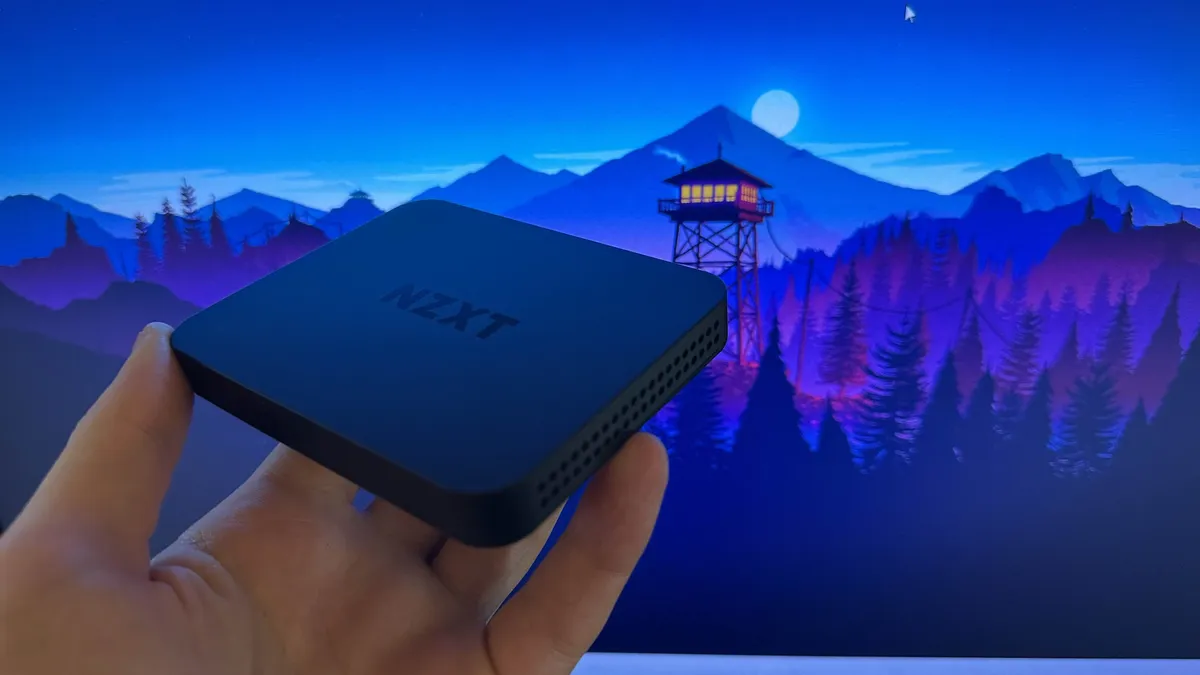
The NZXT Signal HD60 is light on the wallet, and while it doesn't have massive potential for pro-level content creators, it takes away a lot of software faff that can be a learning curve for beginners.

AverMedia's Live Gamer Ultra 2.1 is stupidly overpowered, offering you variable refresh rate 4K gaming and a who's who of video formats to choose from. It captures beautifully vibrant footage, and it's beginning to get a lot cheaper.

Internal capture cards can help clear desk clutter by moving away from the standard USB device to an internal component of your PC. This one in particular has great futureproofing and excellent 4K potential.
Also in this guide: Best webcams | Best accessories & gadgets | FAQs
Best microphones for streamers
The best microphone for beginners


Blue, which has now been absorbed into the larger Logitech G brand, is very well known when it comes to streaming mics, and for a good reason - they were masters of the craft when it comes to bang for buck. The budget Yeti Nano (the scrappy younger sibling of the larger Yeti range) is very impressive. It packs the accessible price tag of the entry-level Snowballs mics into a really professional package that sounds almost as good as any USB mic you'll find.
Hitting hard with great audio and a dual condenser setup, it perfects the Yeti formula while reducing that microphone's cost. It's a whole lot smaller and lighter, too; the Nano is half the weight of the original Yeti, making it much more portable than its counterpart. Thanks to a plug-and-play USB connection, you can be recording in no time. Annoyingly, as the mic has aged, its micro-USB connection is getting more annoying to deal with.
This is an amazing option for those who want to take advantage of Blue Yeti quality without forking out the cost of a full-sized one. If you're a beginner and you can find this on the shelves, it's all the microphone you really need. Its mute button is a handy feature too if you don't have a streaming mixer. The newer Logitech G Yeti GX now exists, but for us, the best value still lies with the Nano. When that changes, we'll let you know.
The best mid-range mic


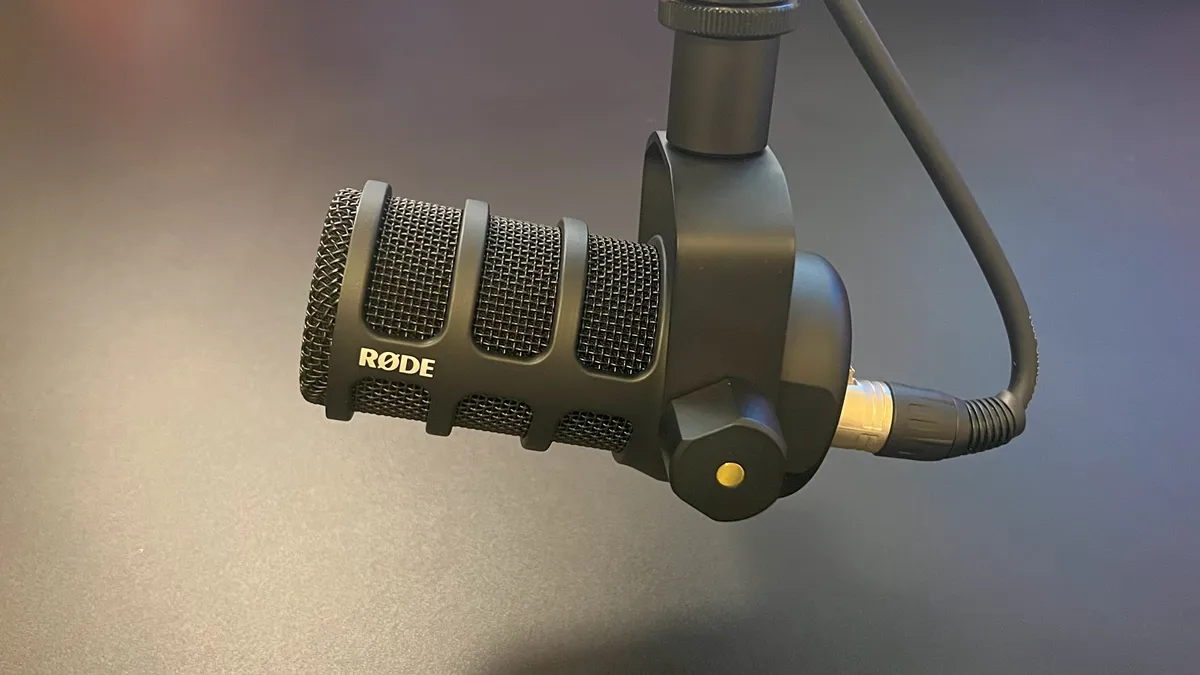


The reason I'd recommend this mic to you is that it has both XLR and USB connectivity. There are a couple of hybrid mics on the shelves these days, including the popular Shure MV7+ and the Maono PD200W, but I'd argue the Rode PodMic USB cuts them both down with a great mix of price, performance, and ease of use. The MV7+ is often found $100 more expensive than this, and while Maono has fancy wireless connectivity as a secret third option, if I were starting out today, I'd focus on the audio quality that Rode can offer.
I used the original PodMic for around three years during my stint at university, during which, we used these mics in our student radio station. The PodMic USB sounds just as good as you'd expect any RODE product to. There are crisp, clean audio profiles to be had here, and although it'll teach you mic etiquette, it's extremely usable if you're just learning the ins and outs of how to speak into a mic. Being a dynamic microphone, it benefits from a focused, directional pickup while ignoring unwanted noises from elsewhere in your gaming room.
The included windsock sleeve rejected plosives without making you sound muted, and if you graduate to using a mixer like the RodeCaster Duo, you'll be set up with awesome compatibility and preset audio profiles for it. One thing to note is that, despite an internal shock mount, we did find that the PodMic USB is susceptible to desk bumps and knocks.
Regardless, if you want something with USB-C connectivity along with futureproofing for an XLR setup later down the line, this is an astute pick. These days, you can often find it on sale for around $193, but its full price of ~$209 isn't going to be a bad investment either.
The best microphone for pros
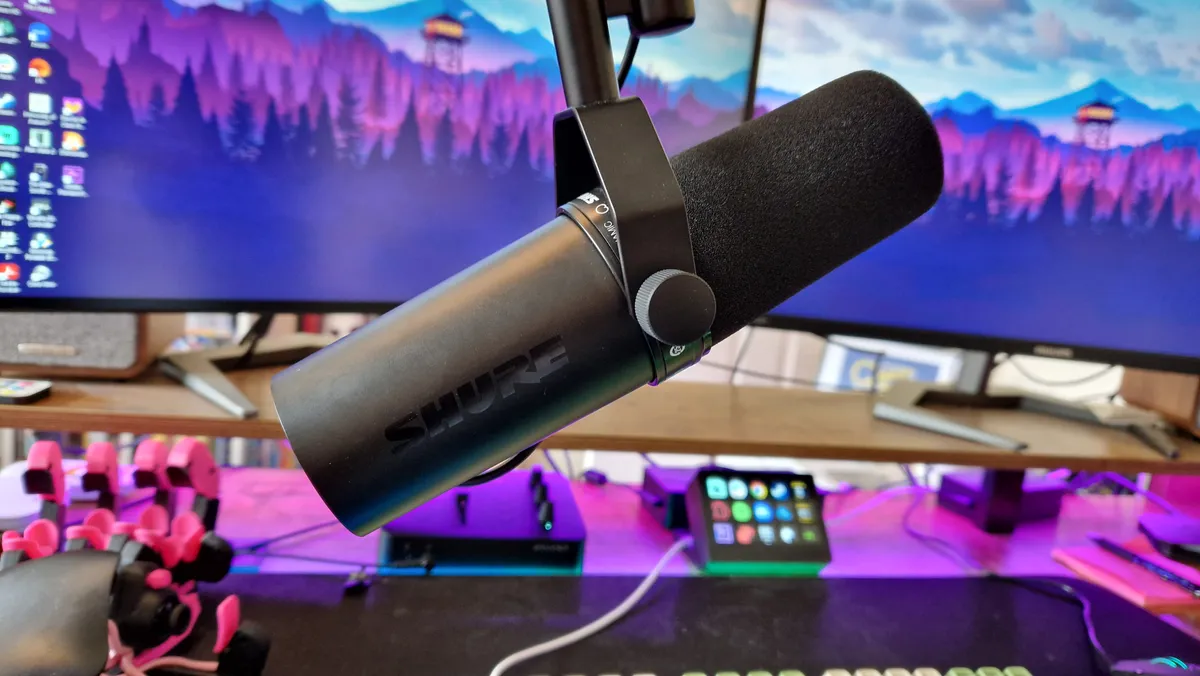


For professional-grade gaming content creators, there's no better mic than the Shure SM7dB. You've likely seen it used by podcasters and professional YouTubers, and that's for good reason. The audio quality of this mic is silly, but to be fair, so is its price.
The SM7dB adds a pre-amp into the product that fixes one of the main gripes people have with the still-popular SM7B. While this version of the mic is a bit more expensive and a bit longer, I'd argue it's worth it to add more versatility to your audio loadout.
With that pre-amp already in there, there's no feeling that you need to crank up the gain to get the best quality out of it, and the additional pickup settings could come in really handy for recording different types of audio, or just tailoring it to your voice.
Granted, this expensive a microphone isn't going to be for everyone, and since it has a bit more of a learning curve than other mics, I'd only really recommend it to people who are looking to seriously invest in their content, and make a go of it professionally if they haven't already.
The best mixers and controllers
The best controller and mixer hybrid


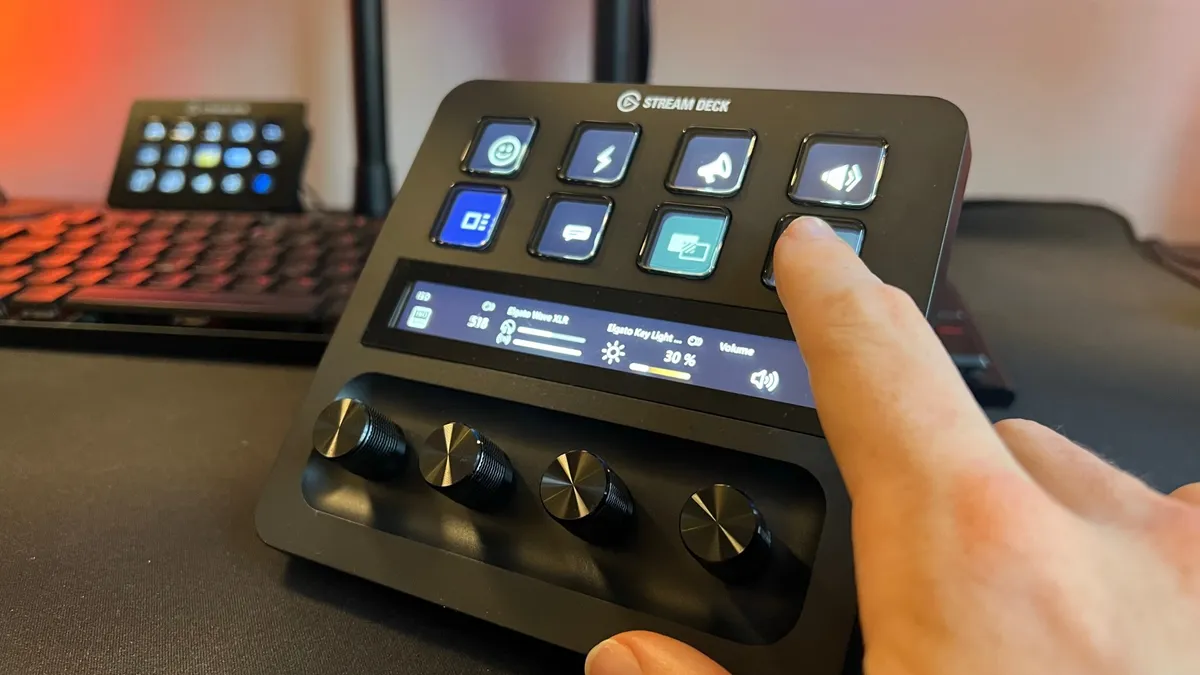


Perhaps the most versatile version of Elgato's Stream Deck is the Plus model, which has eight programmable keys, a touch bar, and four volume dials. This means you can use it as a streaming controller, but also use it to control your audio mix for a fully all-in-one package.
Channelling the power of one of the Stream Decks is as easy as dragging and dropping actions within Elgato's Camera Hub software, and that doesn't change with this model. Once mapped to your desired functions, the slightly smaller buttons on this version of the Stream Deck are still safe from accidental clicks thanks to their 5mm of travel. The dials are well designed too, with a grippy texture and just the right amount of tension for twisting them. The touchbar feels responsive, which is reassuring when it's not something Elgato has dabbled in before.
Anyone not looking for audio controls who just wants more control keys might be better served by the original Stream Deck, or its larger model. However, if you're bought into the wider ecosystem of Elgato products, the Stream Deck Plus makes for an excellent tool for bringing them all under one umbrella.
The best jack of all trades
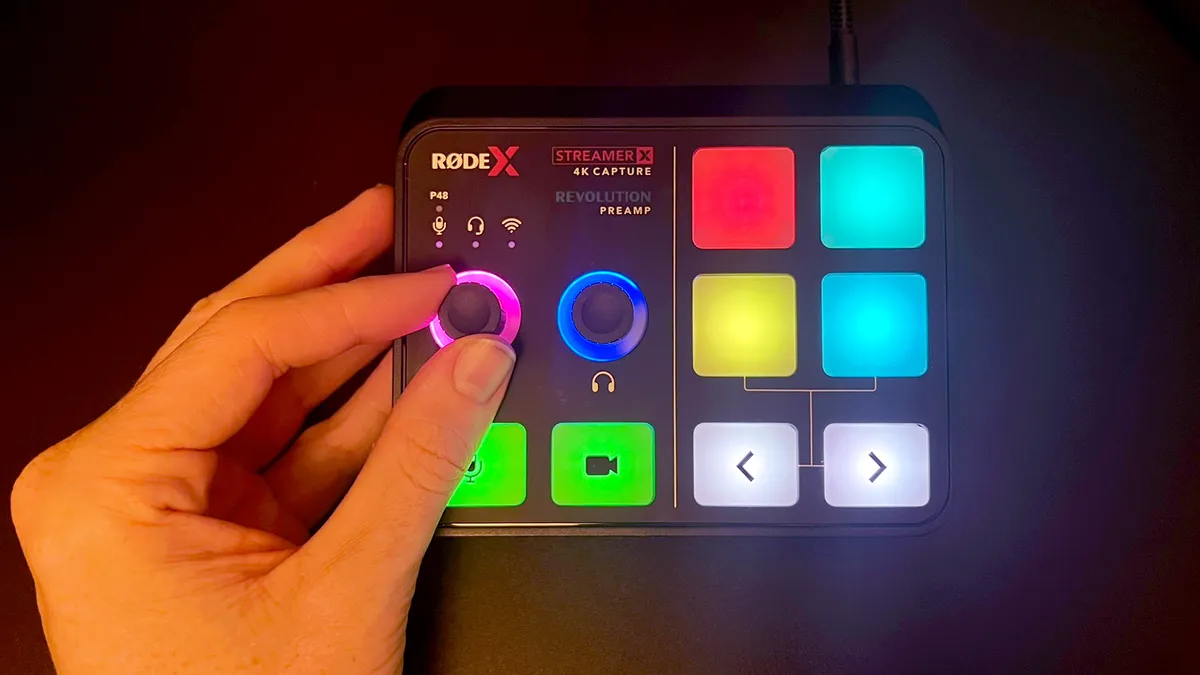


The Rode Streamer X is one of the streaming market's true jack of all trades. Sitting atop your desk, it can assist you as a capture card, an audio interface, or a stream controller. For a pretty reasonable price, that's not a bad bargain in the slightest. For content creators looking to streamline their setup or beginners who want to consolidate costs, this is a great pick.
The Streamer X doesn't look ready to mix down loads of audio samples, but a simple two knob setup allows you to adjust the gain of your microphone and headphone levels, and for many, that's all that will really be needed. In terms of connectivity, there's a combo XLR and 48V Phantom Power for XLR microphones, there's HDMI in and out, there's dual USB-C connections for your PC audio, and an additional USB-C port for powering the device. Of course, the iconic RODE SMART pads are where switching streaming scenes comes in.
Like any jack-of-all-trades, you may find that the Streamer X comes up short if you want full use of it as any one of its three objectives. As a capture card, there's 4K passthrough, but there's no HDMI 2.1 support. That means that high frame rates on the capture side aren't going to be possible for you, which could make or break it for competitive gamers.
Still, this is a device to buy if you stream console gameplay and want to save money on three separate devices. Admittedly, you're going to run into roadblocks by not having one of each gadget, but depending on your content and setup, this could be all you need.
The best streaming mixer
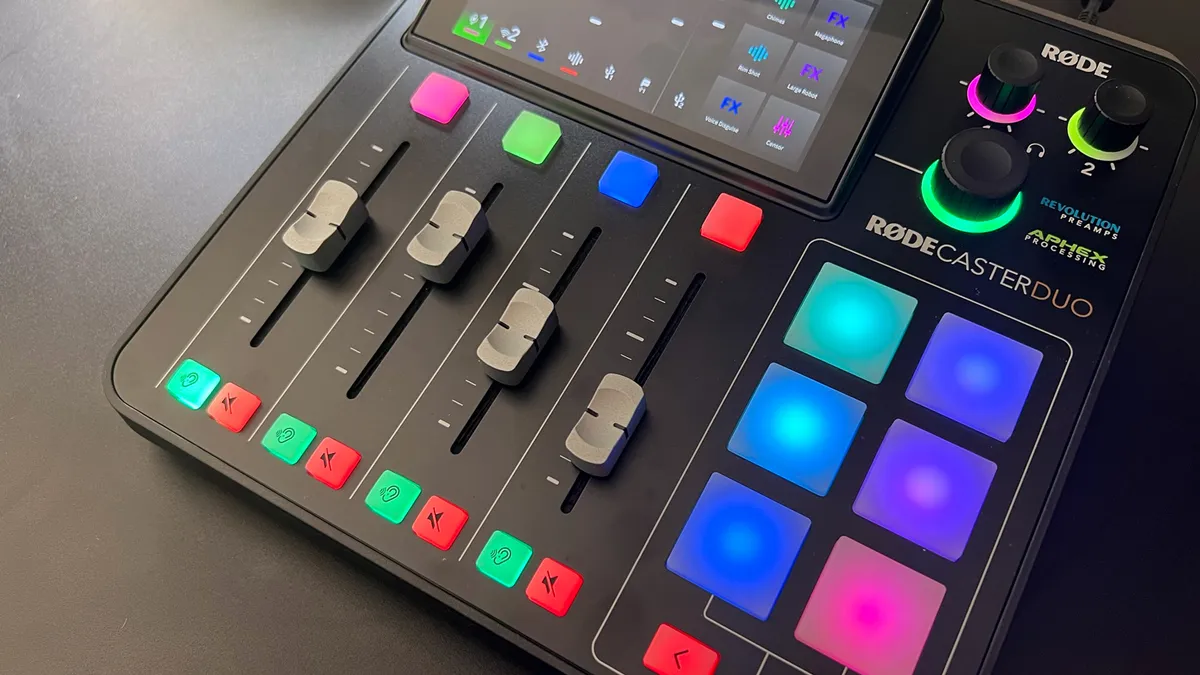

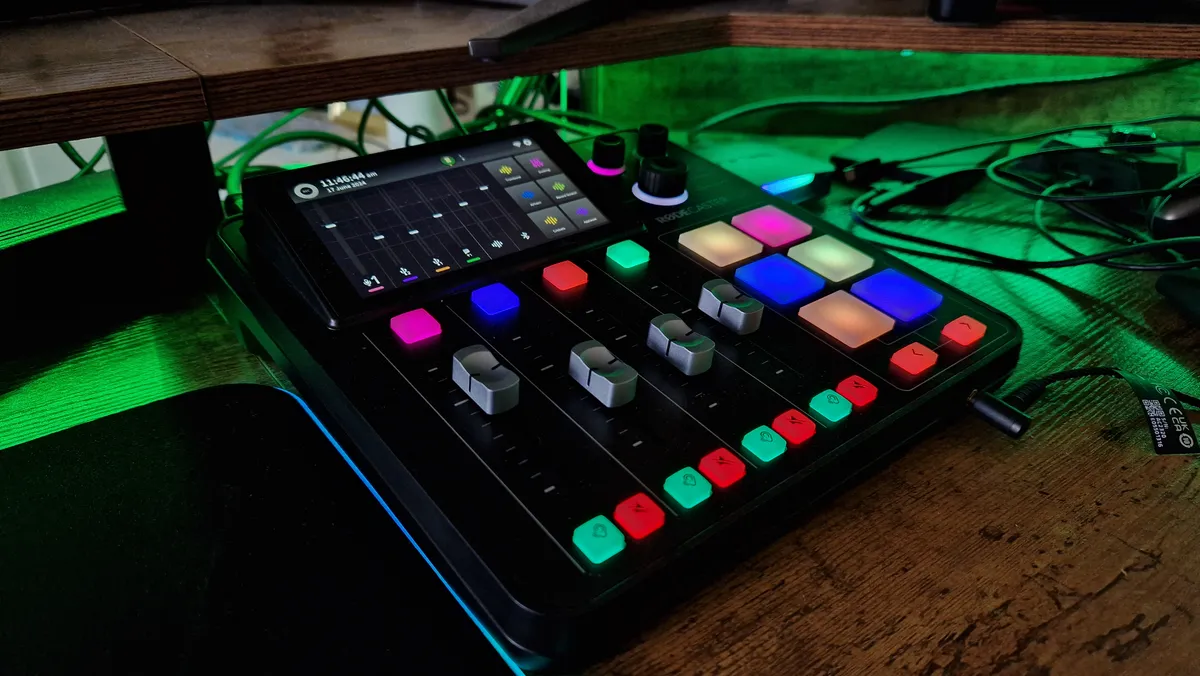

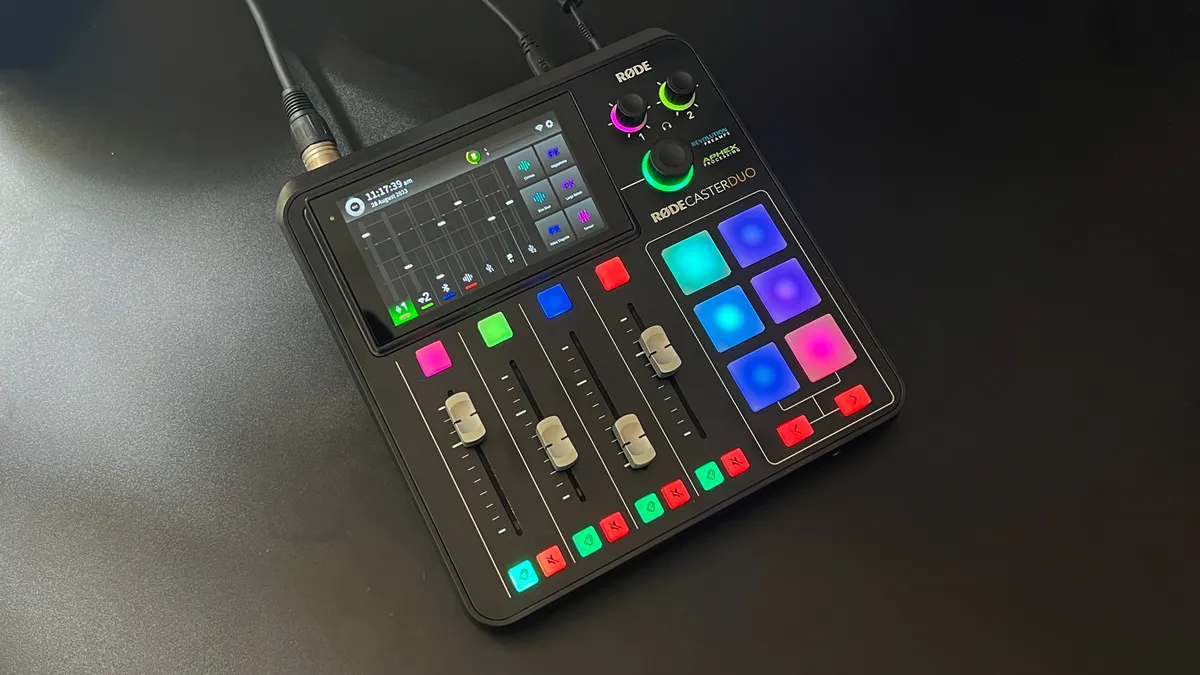


There simply is no better streaming mixer on the shelves today than the RodeCaster Duo. A slightly smaller version of the full-blown RodeCaster Pro 2, this is every bit as powerful, and even has more usability for streamers specifically. With four physical faders, two more virtual ones, SMART pads you can program as different stream scenes and sound effects, two XLR inputs, and two USB-C inputs, there is honestly no other mixer this powerful.
Those two USB-C inputs can be used by one PC, giving you dedicated faders for music, game audio, chatting with friends, and your own microphone's gain level. In a dual PC setup, that secondary USB-C connection can go into your gaming PC to give your gaming audio its own spotlight. On the routing side of things, the Duo nails it thanks to the custom routing options you can assign to all of your audio channels. Mix Minus means you'll never create a feedback loop again, and the ability to set this up according to your needs makes this a versatile mixer.
Rode also has a library of audio effects you can apply to your microphone, or across all channels. Ducking profiles can come in super handy to make sure you always come in on top of your other stream audio.
The only setbacks here are that the USB-C outputs are recognized by the PS5, but the two devices are annoyingly incompatible. This is something Rode wants to fix, but until the problems are sorted this isn't necessarily what we'd recommend for console streamers. Of course, the other drawback here is price, because you do admittedly pay for the power the RodeCaster Duo gives you.
The best capture cards
The best capture card for beginners


The NZXT Signal HD60 isn't trying to be anything fancy - it's a lot more scaled back than its competition from Eglato and AverMedia. That doesn't matter if you're a beginner though, and in fact, it may help you to navigate a complicated streaming setup with less of a learning curve.
This is a simple 1080p capture device with 4K passthrough, and it'll kick a solid 60fps at your display while recording up to 1080p 60fps gameplay footage. There isn't even dedicated software you have to use or have running in the background (like the other brands enforce upon you after taking your money). There's compatibility with NZXT Cam, but the creators of this device know that you almost certainly want to use this with OBS or Streamlabs, so they cut out the middleman and let you get stuck in.
And perhaps most importantly for beginners, it's kind on your wallet, costing under $100 / £100. With how much you may need to spend to get off the ground with streaming, this is excellent for the money.
The best capture card for pros
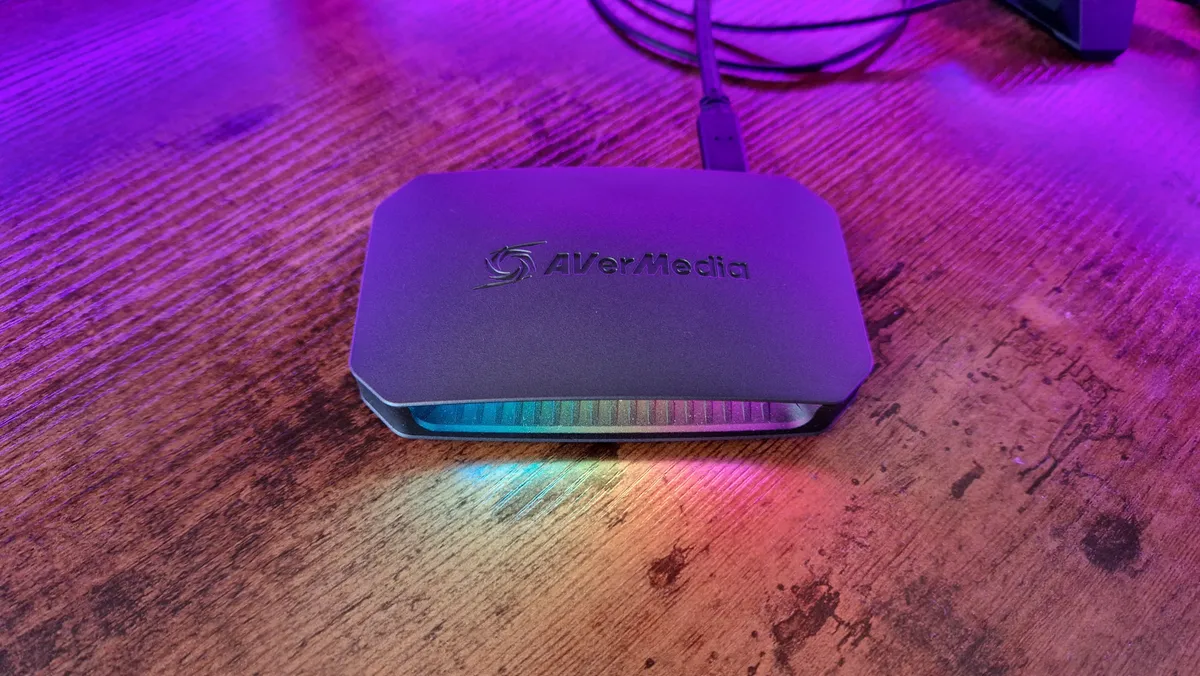


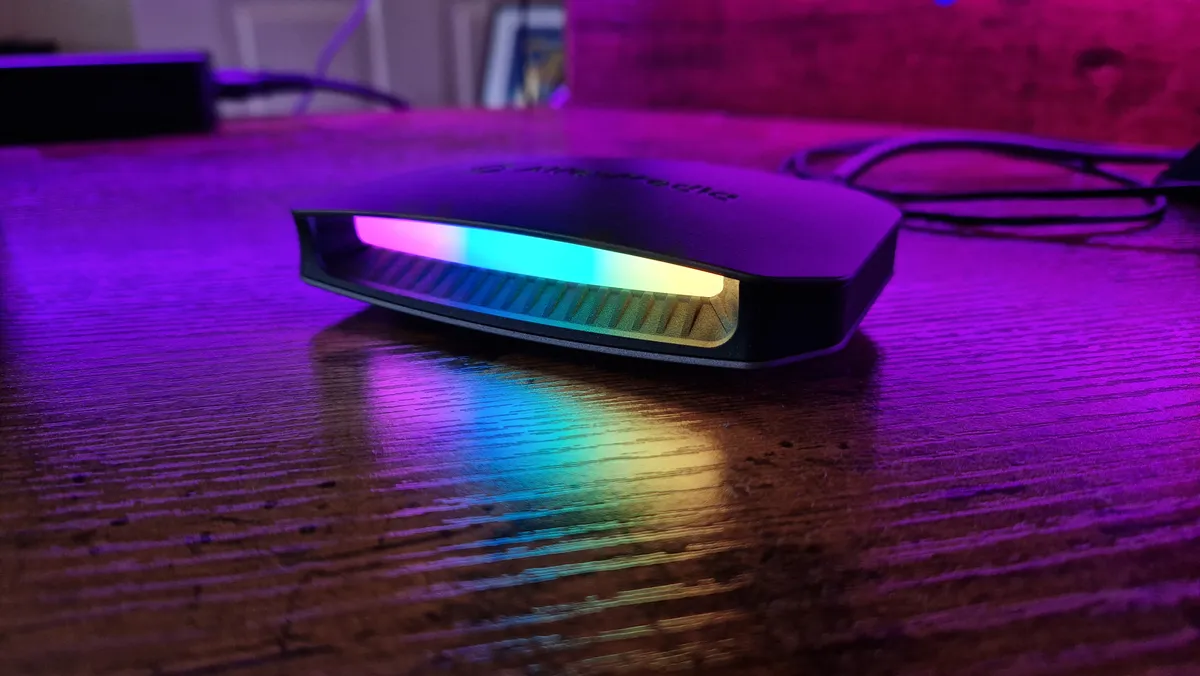


The AverMedia Live Gamer Ultra 2.1 is the last word in external capture cards these days. It takes the great features set down by the last-gen's Elgato HD60X and boosts them to today's standards. Full warning: this isn't going to be needed for everyone, but if you want the best of the best for recording and streaming gameplay, look no further.
You get up to 4K60 capture here, as well as VRR passthrough of up to 144Hz. HDR and Ultrawide monitor support are standout features and a slew of in-software recording options give it versatility. Annoyingly, the companion application, RECentral 4, doesn't have any color grading settings and doesn't let you change the captured image settings. Fortunately, these things are set pretty well out of the box.
Its design bucks a few trends, especially since most capture cards don't put a lot of effort into the looks department. The Live Gamer Ultra 2.1 has a gentle RGB array on its front that you can sync with your PC's RGB. There's also a practical horizontal design that helps cable routing.
This card performs brilliantly when recording footage, and its passthrough lacks no detail compared to using a regular HDMI 2.1 cable. Speeds were a similar story - it was so easy to use this with Streamlabs OBS, with no delay to speak of. Captures are crystal clear with really vivid colors, and besides some lacking clarity when recording multiple files back to back, it's excellent. If you play competitively and don't want to compromise on your 4K components, this is a superb option. Just keep in mind that Twitch still has no ability to make use of 4K streaming capabilities.
The best internal capture card


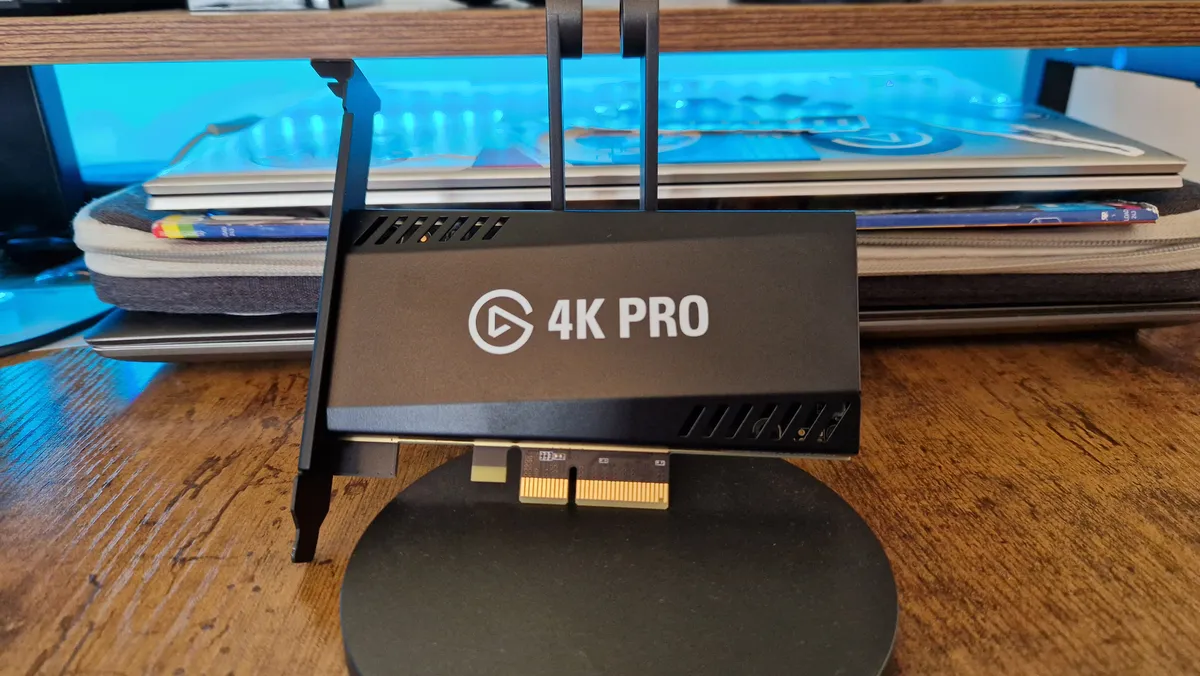


The Elgato Game Capture 4K Pro is the latest internal capture card from Corsair's content creation arm. This slots straight onto a gaming PC's motherboard through a PCIe 2.0 x 4 slot (like a GPU slot), so no need for any dangling USB cables.
To tell the truth, the 4K Pro is only an incremental update over the brand's last few internal capture cards. Those were already so futureproofed that the rest of the brands in the space have been catching up. Speaking of futureproofing though, this new version supports up to 8K60 passthrough, which is so good no one will probably need it for the next three to five years.
For your money, you also get VRR passthrough, and multi-app support so you can stream and record to separate apps at the same time, which is a big deal for console gamers trying to route audio in funky ways. Anyone miffed by AverMedia's lack of contrast and saturation sliders will be pleased to know you can tweak your image settings with this card thanks to Elgato's 4K Capture Utility.
With that said, we are a bit disappointed that this costs the same as AverMedia's best external option, all the while, not offering half as many recording options. You can record great footage with this card, but only at 30fps or 60fps at 720p, 1080p, 1440p, and 4K. Admittedly, that's a lengthy list on its own, but for this sort of asking price, why not opt for even more?
It's really up to you whether an internal capture card will save you much trouble. This is a great option, but externals might actually give you more versatility these days.
The best webcams for streaming
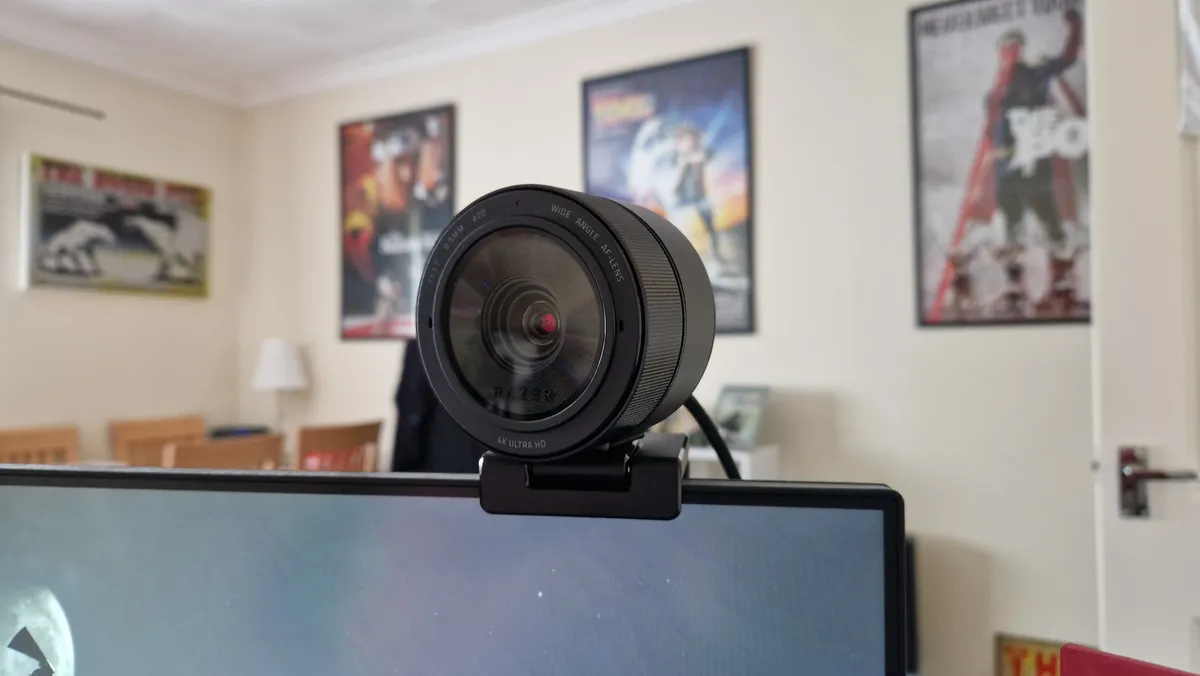


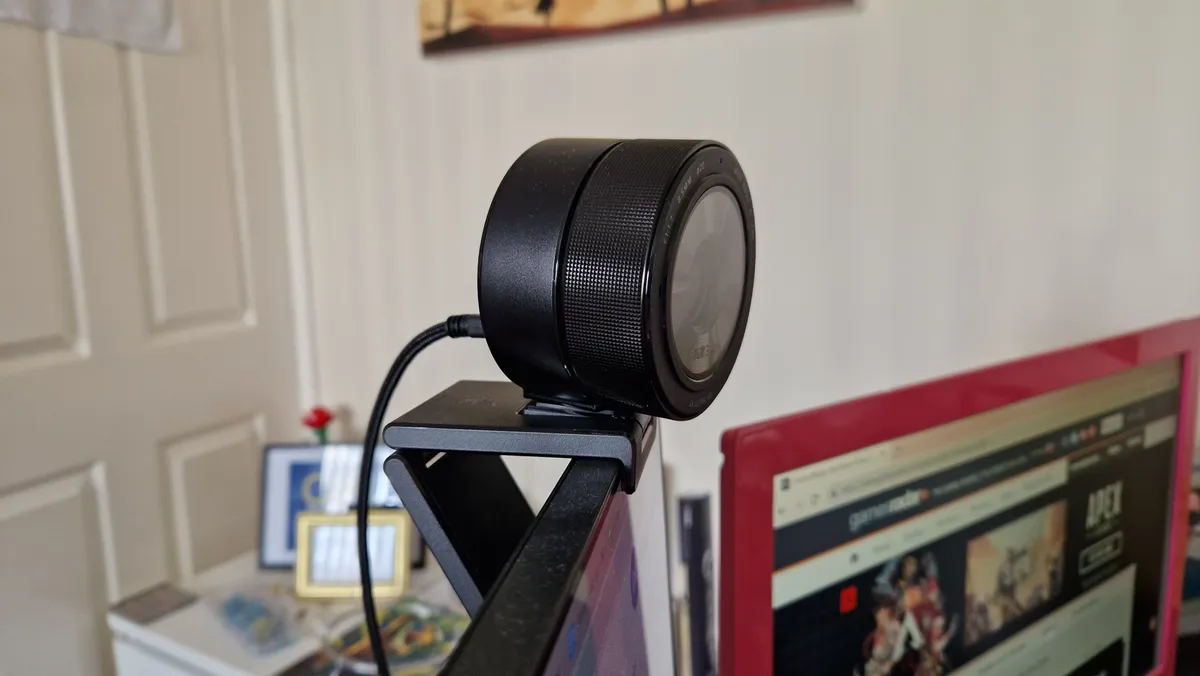


Sequels are so hard to get right these days. Particularly when one comes out hot on the heels of something as good as the Razer Kiyo Pro, which we deemed the best webcam on the market before this arrived.
The Kiyo Pro Ultra had a lot to live up to, and we're pleased to say it smashed through what was expected. This is by far the best webcam money can buy right now. Other than a seriously steep price of admission to the tune of $300 / £300, this trounces all other rivals before or since. There's just no arguing with the quality this thing captures.
Up to 4K in 30fps is all most people will ever need, but it is a shame 4K60 isn't possible for those pairing it with a next-gen capture card. Lesser resolutions still look stunning though, and can record at a wider range of frame rates. Even without a ring light, the images are so well-balanced. Low-light scenarios were a big point of attention for the designers at Razer, and beyond going for a much more expensive camera that isn't designed to sit atop a monitor, I haven't seen one as good as this in low light.
This is a webcam for content creators that will roll a DSLR camera and face-cam into one package. As a result, you'd be hard-pressed to find a pricier webcam, and unless you really need the best of the best, it isn't necessary to spend this much.
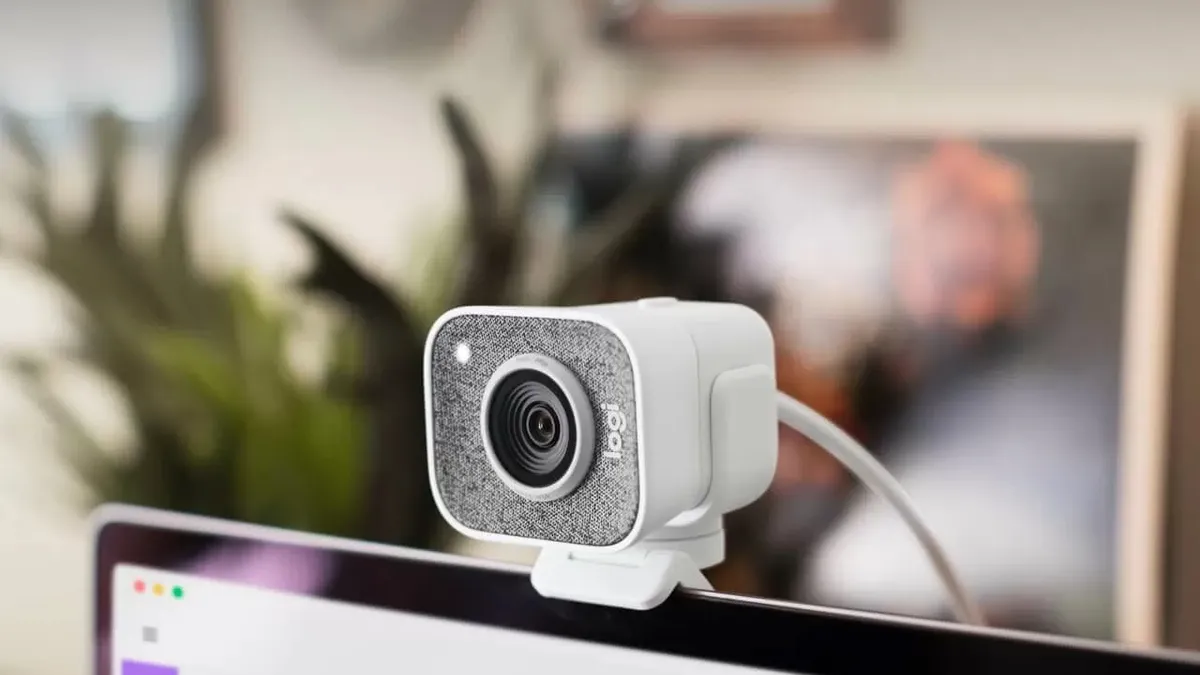


The Logitech StreamCam is aimed squarely at the amateur streaming market. More specifically, it's focusing on members within that market running high-quality machines that can really push this device to its limits.
With footage captured at up to 1080p resolution at 60fps, you're getting particularly impressive video quality here, all running silky smooth and taking advantage of additional software features like backlight correction, center framing, and image stabilization.
You may need to fiddle with a few of these settings to get everything working just right for you, dropping down the framerate to allow the center framing to react quickly, for example, but if your PC can withstand the considerable power draw this webcam requires, this is an amazing piece of kit.
This is what we'd recommend for beginners at the moment, although the webcam offerings from various brands have been expanding this year, so it might not stay our beginner's pick for long.


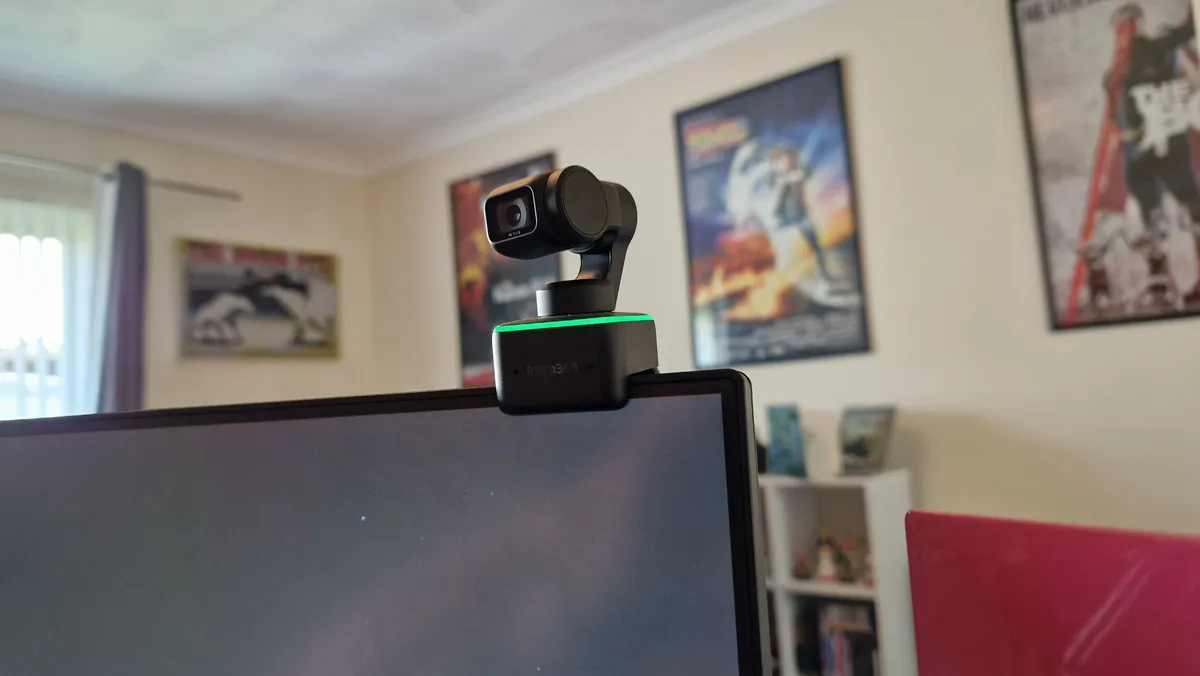


The Insta360 Link is the best of the bunch when you look for a tiny 4K webcam that has a lot of AI features inside it. For such a small camera, it packs a lot of power and a myriad of features inside it. It's up there with the Kiyo Pro Ultra, and might even be more feature-rich as a product. Its image quality is just a tad off that monster though.
I find it really hard not to humanize this webcam's design. Like Obsbot's Tiny 4K range, it resembles a tiny WALL-E, with all the animated expression a single tiny eye can give it. It's so weirdly cute, and its impressive movement speed exudes a giddy excitement that's hard to come by.
It's not all looks though, the Insta360 Link is packed with great-performing features for content creators and remote workers. AI facial tracking, 4K resolution, whiteboard mode (for presenting during video calls), and clever gesture controls are just the tip of the iceberg. DeskView is also a thing, so if you want a funky camera mode to unlock for your chat so they can watch your hands instead of your face - this versatile cam is for you. That could even be good for animators or artists streamers too
Of all the webcams with AI facial tracking I've seen, the Insta360 Link is the best, and most natural. Admittedly, this is one of the pricier webcams you can go for, and most people don't need this many features. If you can afford it though, this is a webcam that won't let you down.
The best streaming accessories

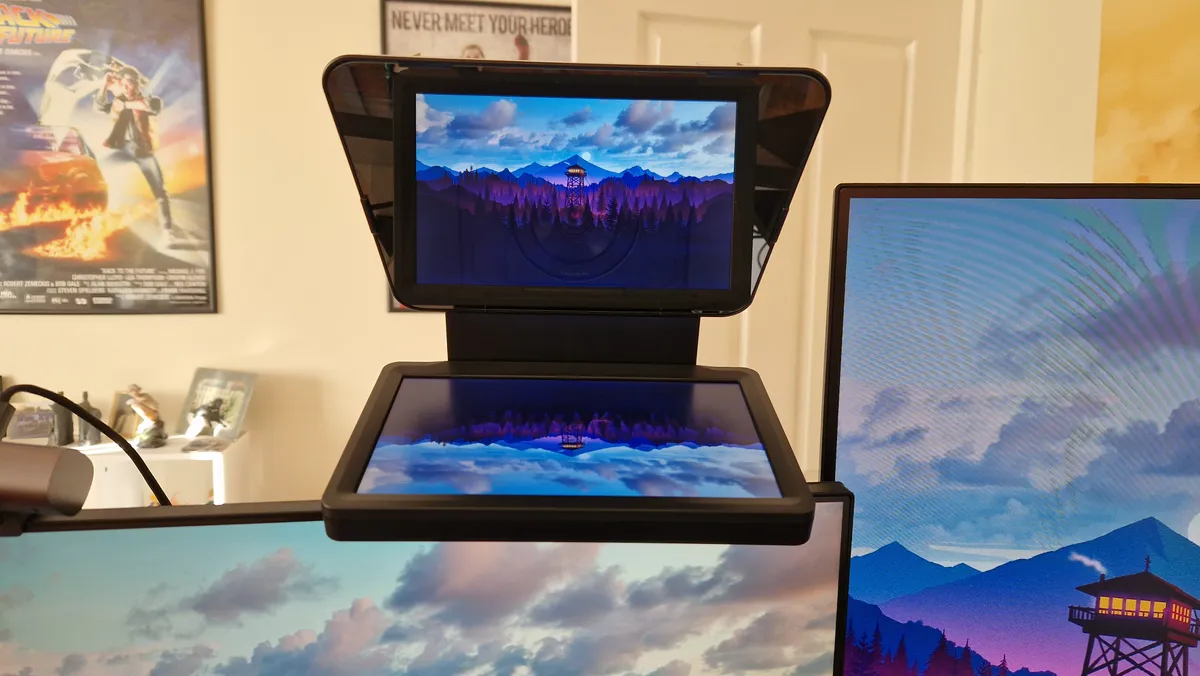


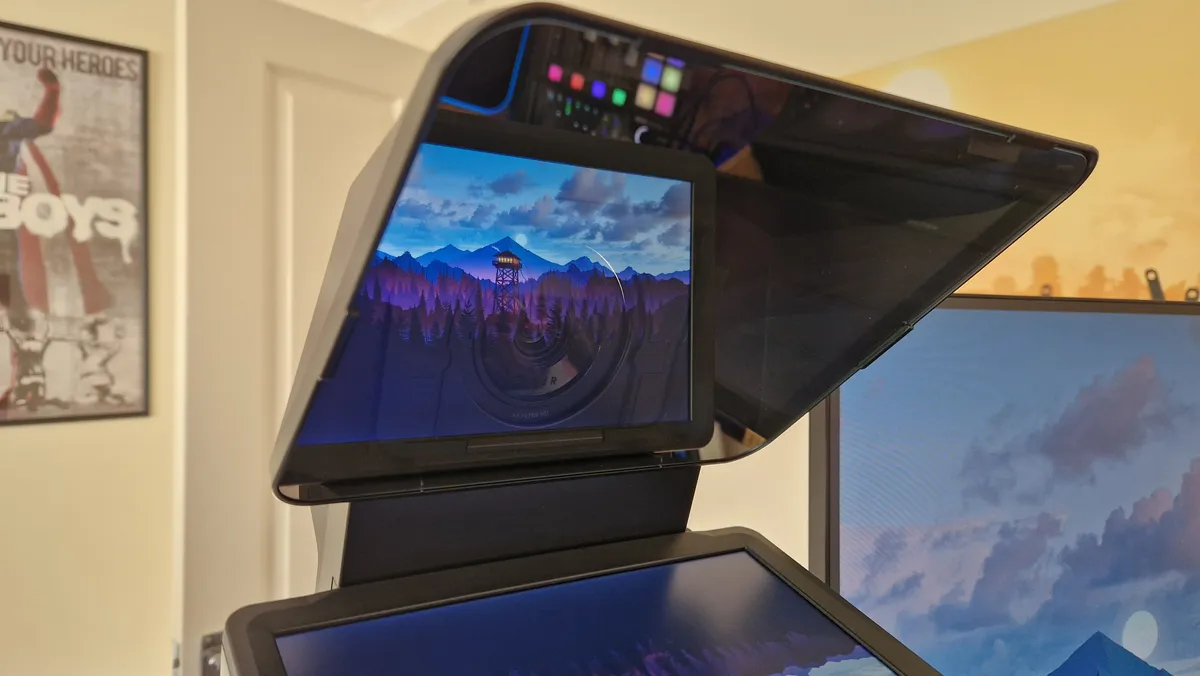


The Elgato Prompter is a versatile tool for content creators that has more to it than meets the eye. On the outside, it's a great teleprompter that will help anyone deliver more fluid, well-presented pieces to camera. Under the surface however, it hides some of its best uses that will help you connect with your audience more.
This clever reinvention is a miniature version of what TV stations have always used. It's a small digital display pointed upward at a piece of reflective glass, behind which, lies your camera. Thankfully, there's some versatility baked in here, and in the box are loads of "Step-up Rings" that will provide the perfect fit for your webcam or DSLR to work with in it. You also get the single cable you'll need to connect it to your laptop or PC, a braided USB-C to USB 3.0 cable with a right angle at the USB-C end. This is an accessory that's been crafted with care, even down to its sustainable packaging.
As versatile as it is in its design, it's just as well thought out in the software department. Prompter features three distinct modes that will help you in general use and content creation tasks. Prompter mode is as you'd expect, with loads of different ways you can customise text, its color, its scroll speed, and even the background hue. This is great for reading straight to camera, and it's the main use you'll get out of it. Then, there's chat mode, which integrates what your Twitch audience has to say straight onto the display. This works wonders when you're live and you want to talk directly to your viewers.
The final function is Display mode, which essentially allows you to use the Prompter as an additional monitor. This can be really helpful for remote workers, because you can have an extra window constantly open, or even set up your video calls in the Prompter's display, never again having that strange eye contact disparity.
The Prompter Elgato has created is one of the best tools any content creator can have in their box, especially those wanting to take their production standards to the next level. Just keep in mind that USB-C connection can be CPU-intensive.


The Lumecube Ring Light Pro is more than an Instagram influencer's ring light. This is a versatile tool that's begging to be used by more content creators. It's a great size at 17.5 inches since it's big enough to light bigger scenes, but not overbearing or difficult to maneuver.
The light itself is excellent for balancing out shots, and when paired with a webcam like the Razer Kiyo Pro Ultra, you get impeccable results. Being able to control the temperature of the light, in particular, is a very nice feature. Natural light from a window can be a really nice inclusion in your shots, and trying to balance it with cold lighting without a key light can be difficult. In an ideal world, for the money you pay, I'd have liked an even broader color range, but that is why key lights exist.
One of the best things about Lume Cube's Ring Light Pro is how well and how easily it controls. The back of the ring features an LCD display which shows you how the battery life is lasting, as well as what settings the light itself is shining at. As if that wasn't enough, you also get a handy remote control so you can adjust light levels and temperatures without having to leave the shot. That's super useful, and if you make content as a 1-person crew worth having.
For your money, you do get an awful lot here - there's a convenient carry case, a great stand that can tilt, and extend, and the ring light itself has bundled options for mounting smartphones and cameras. All-in-all, this is a super ring light for content creators.

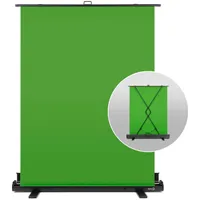
While they aren't necessarily an essential part of the streamer experience, a good green screen can go a long way to upping your production quality. That's where the Neewer Collapsible Backdrop comes in. It's affordable and portable and has a pop-up design. Unlike some other green screens, this model unfolds and then can be mounted in multiple ways to the included stand, either horizontally or vertically, to fit your camera setup.
The best thing is the price here, as depending on size, the Neewer Collapsible Backdrop starts from around the $50 mark. You've also got the option of either green or blue, as it is reversible, meaning that you can choose which color is easier for you to chroma key out in editing, or before your stream goes live.
For a higher-end green screen option consider:


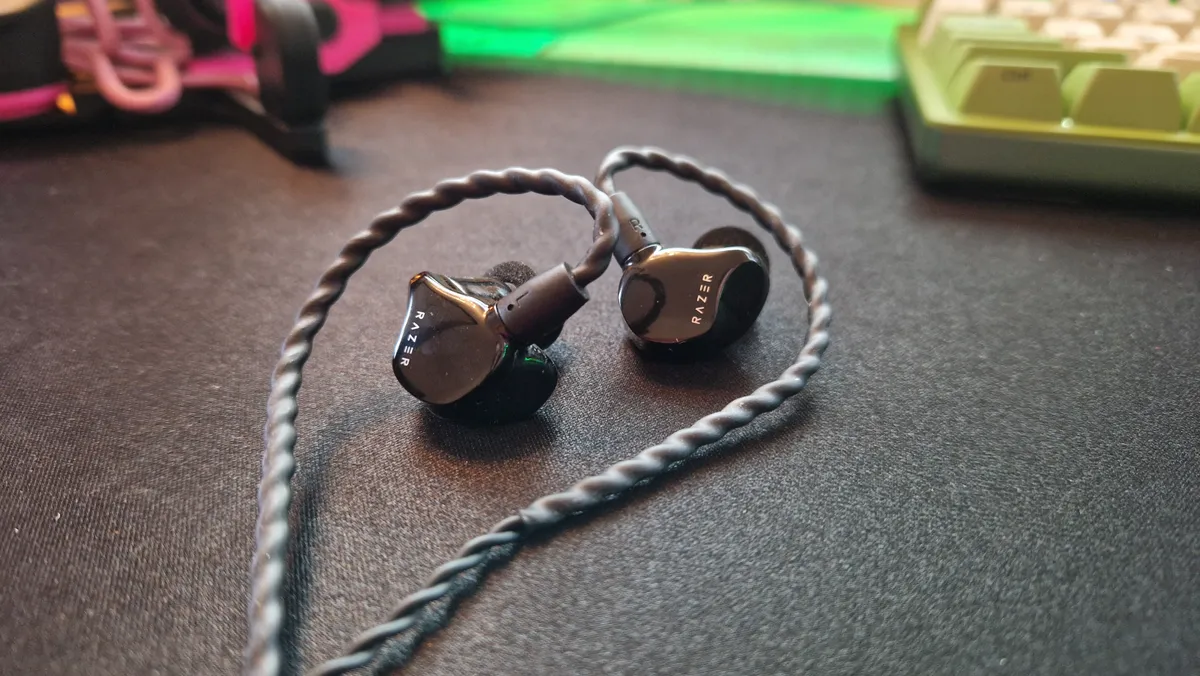


When you have game audio, background music, your own mic's volume, and a discord call to manage, streaming demands some powerful audio gear. While any gaming headset of your choice will help you out, Razer's in-ear monitors will be the most precise, powerful, and comfortable tool to use.
Your eyes don't deceive you, these are in-ear monitors, not gaming earbuds. This is the type of audio device that rock stars use on stage to hear the music being played over the noise of the crowd they're playing for. But the Moray in-ear monitors are designed for gaming, and are comfortable enough to be worn for long sessions.
Inside these powerful little audio devices lies two drivers. One is for bass tones which are well suited to gaming, but there's an acoustic driver in there too that will ensure accuracy in higher and more subtle registers as well.
These are the only audio device I use when I'm on stream - there is simply no better way of balancing multiple audio sources than with these in your ears. Just be prepared to turn down the volume slightly - these things funnel noise right to your eardrums, so be careful.
FAQs
How to start streaming with no equipment
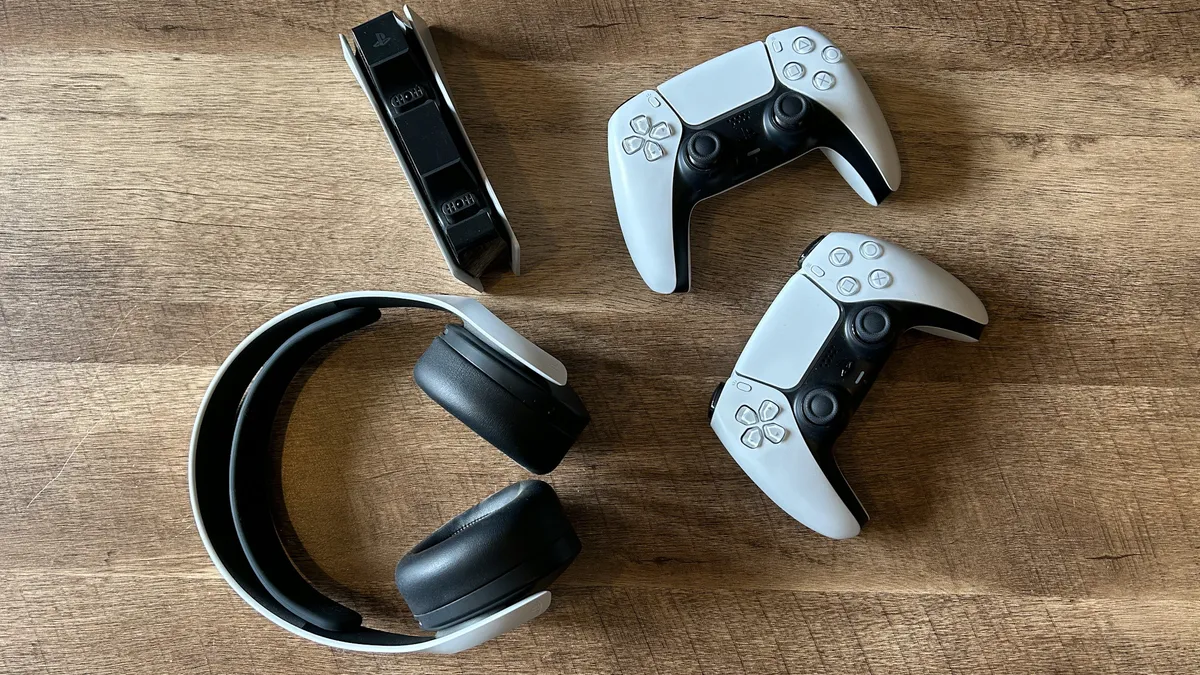
If you're looking to dodge those setup costs and just find out whether or not this whole live stream malarky is fun or not, maybe just start streaming with the basic gear you have first.
As long as you have a means of recording and broadcasting footage, and something for speaking into, you'll be able to put a make-shift stream together. In other words, with a PS5, Xbox Series X, PC, and no more than a gaming headset, you'll be able to start with no trouble.
How to live stream directly from Xbox Series X / PS5
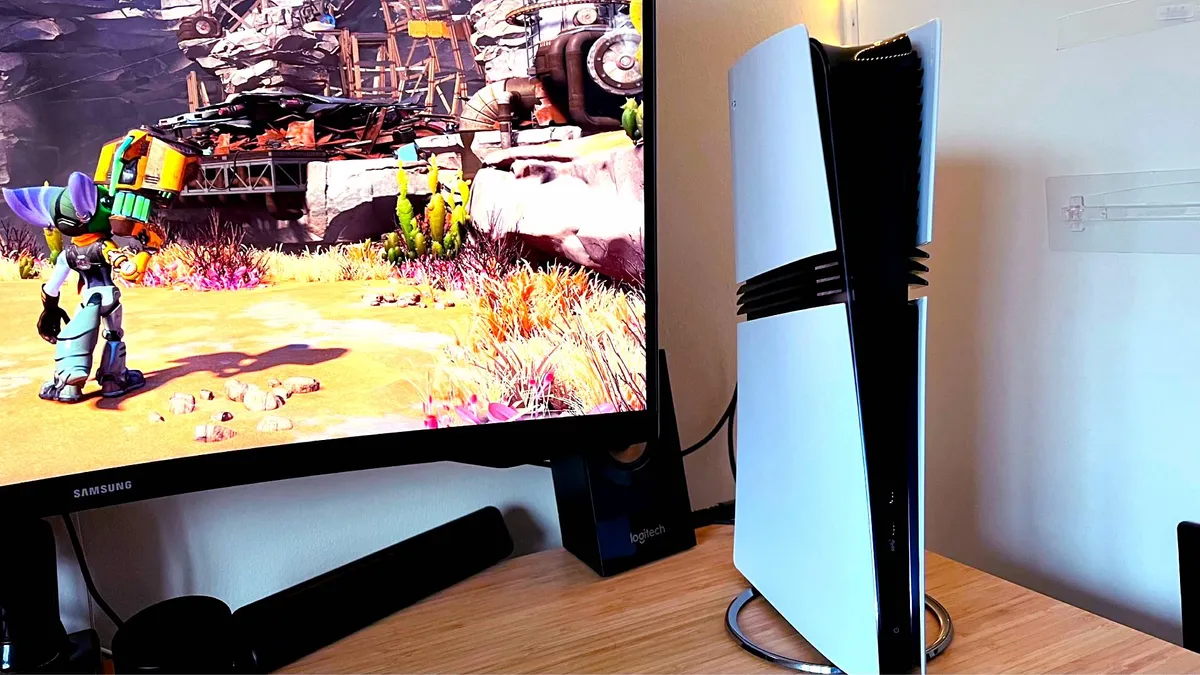
Live stream on PS5:
On PS5, it really is as simple as pressing the "Share" button found on the DualSense controller when in-game. This brings up a menu that allows you to screenshot, record, or start streaming footage directly from the console. You'll need to link your Twitch or YouTube gaming account through the drop-down menu, which can be done by pressing the respective icon.
An option will come up that says "Link with Twitch", and from there, the easiest way is to follow the prompts on-screen until you're given a QR code and an 8-digit set of letters and numbers. A web address will come up to activate your Twitch account, which you can either punch into the address bar of your phone or computer or scan the QR code. Once you've entered the code, you'll see a prompt that says "Your Accounts are Linked" and confirmation that your Twitch account is now set up on PS5.
Linking YouTube Gaming works exactly the same way, but with fewer steps. Simply press "Link with YouTube" from the drop-down menu, and then you'll be presented with the PS5's web browser version of the YouTube sign-in screen. From there, all you have to do is enter your account details, and everything else is taken care of.
You're ready to live stream!
Live stream on Xbox Series X:
On Xbox Series X, you first need to download the Twitch app from the Microsoft Store. Opening that up will bring up a sign-in screen with a website address you need to follow along with an 8-digit code. Simply punch the string of letters/numbers in on either your PC, tablet, or smartphone's web browser, and it's all linked up. Once everything's activated, you'll find your account signed into the app.
To live stream gameplay, press the "broadcast" tab from the top menu. You'll then be greeted with a list of options to suit your gameplay streaming preferences, with controls to alter your camera position, broadcast bar position, and then your audio levels. The most important things to consider are your bitrate and the stream resolution, though. You'll need a strong Wi-Fi connection or to be wired in via Ethernet to stream 1080p or higher resolutions. After that, if all looks good to you, press the "start streaming" button, and have fun.

How to live stream on a PC
This may be easier than you think, and if you've never done it before you might be surprised at how minimal the load for it is on your PC components. Most gaming PCs these days are more than capable of running a game and also broadcasting it, especially if you have a graphics card from the last five to seven years. Graphics cards these days have recording and live streaming capabilities baked into their drivers, so the demand on your PC's components are very low.
The first step is going to be making sure your graphics drivers are up to date, so head into either the Nvidia app, AMD Adrenalin software, or the Intel Arc equivalent, and check your drivers are the most up-to-date version. Then, you'll want to head into the recording and live streaming settings menu, and configure the settings for the broadcast you want to put out. This includes resolution and bitrate, and if you're just looking to record gameplay without going live, you might want to pay more attention to your audio settings.

Then, we'll need to get you some streaming software. For most folks, the best option is going to be OBS, but for beginners getting into streaming, OBS Streamlabs is a user-friendly option.
You'll want to create a "scene". This is a buzzword for a group of media outputs that you want your audience to see in your stream. You can drag and drop, you can resize, but for beginners, you just want to make sure your gameplay window, your mic, and your game audio are all there. If you have a webcam, you'll want to add this as a source too.
It's then about linking your account to the software, making sure the settings work for YouTube or Twitch, and hitting the go-live button.
What gear does a streamer need?
The absolute minimum that any streamer will need is a system to play games on and stream from, a microphone, and the software needed to broadcast. Of course, depending on the type of content you'd like to make, the list of gear can expand exponentially. You can add in a capture card if you're streaming from a console, you can add in a webcam and a green screen, along with some lighting if you want to appear on camera. Getting into the higher-end, you could add a mixer and a controller to help you handle your broadcast elements like a pro.
What is the best equipment to stream with?
The best gear for streaming will very much depend on the type of livestream you want to put out. If you want to broadcast gaming livestreams, different gear will be required depending on the platform you play on, the games you play, and creative decisions too. If you want to show your face, you'll need a webcam, if you want to have background music, an audio mixer will help. Above all, you'll need a good microphone, since that will help you convey your personality to viewers. There's a range of hardware to choose from, but our guide will help you narrow it down.
What not to do when streaming?
There are plenty of do's and don'ts when you're live streaming. First of all, don't ignore your audience - you want them to feel included and interacted with. Chatting to them and making their messages feel seen is central to ensuring they'll want to keep watching you. At the same time, don't feel you have to put up with chatters who are behaving badly. Some simple things not to do include not "doxing" yourself, or giving away too much personal information about where you are. Safety is important! Similarly, be careful about what you do and do not show on camera.
What should I wear while I'm streaming?
Believe it or not, this is a great question. Depending on your lighting, and whether or not you're using a green screen, different colors will work better. Of course, you have to wear what you're comfortable with - especially since a live stream is a public facing bit of content and it helps to show of your best, authentic self. Still, if you're using a green screen, you don't want to rotoscope your torso out of things and just be a floating head, so think about contrasting colors. Similarly, if you have a ring light or key light, maybe don't wear white so it reflects that light back into your camera lens.
You'll need to be comfortable should you want to stream for long periods, that's where the best gaming chairs and best cheap gaming chair deals come in. Additionally, should your space need an overhaul, the best gaming desks should be your next port of call.

