




Choosing an XLR microphone usually means spending extra money on a pricey streaming mixer or audio interface that takes up room on your desk and dictates your PC's audio controls. Not everyone wants a physical mixer that might actually overcomplicate things for you, especially if you tend to make your content on the go. But where do you turn if you still want the quality of an XLR microphone?
For two years now, the simplest solution has been a small USB to XLR converter, like Shure's MVX2U. This takes the XLR connection from your mic, feeds it into a tiny interface with no physical faders, buttons, or complications, and lets you plug into whatever device you like via USB-C. That device has been getting smaller updates since launch, but Shure is now refreshing it as a fully digital audio interface with even more functionality for the same price tag.
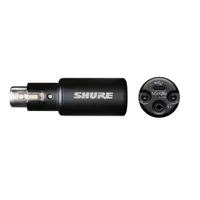
The Shure MVX2U doesn't exactly look distinct from the original model - in fact, in physical size and dimensions, it looks exactly the same. You still have a 3.5mm headphone jack for live monitoring, and the USB-C port for tethering to a phone, laptop, or PC.
Just like the original, a lot of the onus here is on the MotivMix app, but Shure has updated the innards of the MVX2U to pack more of an onboard processing punch. Shure tells me that there's now real-time calibration in the Auto Level Mode on the Gen 2 device. Before, users had to select if they were "near" or "far" from the mic, but thanks to hardware upgrades, the Gen 2 model detects this on its own.
Compared to the original, you'll also get a lower noise floor and improvements to the headphone amp and DAC. It seems like Shure is leaning even harder into mobile creators too, since the Gen 2 can interface with phones and tablets with MFi certification. Elsewhere, you get a lot of the same functionality that the original has. Up to +60DB of gain, EQ settings, compressors, limiters, and more.
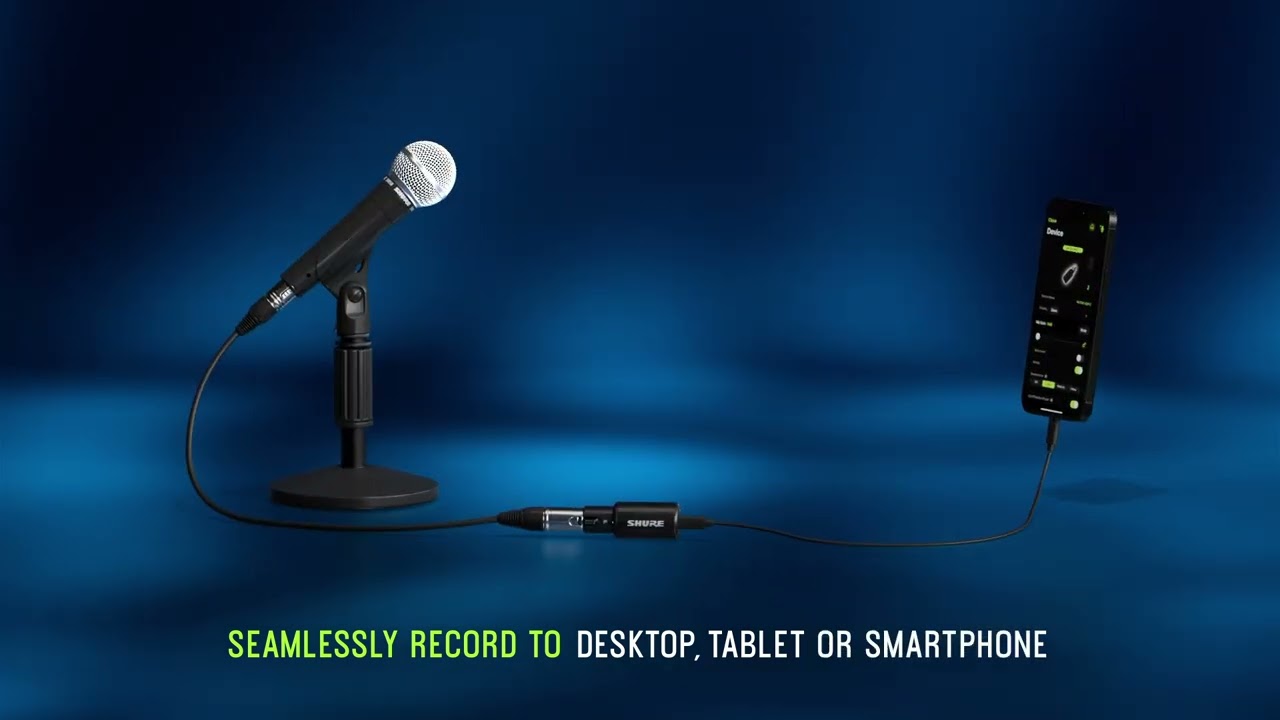
Further, there's also a new real-time denoiser and a digital popper stopper that you'll know well if you've used Shure's MV6 USB gaming mic. From there, MotivMix is going to do a lot of heavy lifting.
In the app, you can drag and drop audio sources onto a virtual mixing table and control their gain and audio effects within the app. It's a bit like the companion app for BEACN's Mix Create, but the hardware doesn't have anything for you to control with physical switches.
Personally, when I'm doing livestreaming, I prefer having the physical faders from the RodeCaster Duo to help me bring background music and game audio into play as I need them, but I appreciate that not everyone needs that. As more and more creators want to make things on the go for reels, TikTok, and Shorts on their phones, it makes sense that Shure is looking to cater to the market with a digital-first approach.

The MVX2U Gen 2 will even save your preferred settings, so there's minimal setup time when you swap between devices.
While it's consumer-friendly that this new version launches at the same price as the original, Shure has now confirmed to me that the original MVX2U is being fully discontinued. I do feel as though early adopters who paid the same amount for the original may be frustrated that they won't get access to expanded features, even if the device has received lots of quality-of-life updates through MotivMix firmware updates.
For more on content creation, check out the best streaming gear for gamers, the best microphones for streaming and gaming, and the best capture cards.

