"What does it mean to be a hero?" is the question at heart of Playground Games' Fable reboot. Choice and consequence will play a prominent part in the upcoming action-RPG, where a new morality system will help to define your place in the open-world. Rather than Fable 3's black-and-white extremes – which often presented dilemmas that were more obviously geared towards alignments of good versus evil – the Fable reboot is taking a different approach, one that directly ties into a new reputation system and the living population of 1000 unique NPCs who inhabit Albion.
"We've pursued a much more shades of gray approach to morality," says Ralph Fulton, general manager of Playground Games. "Where the things you do are the things you do, and if you do them enough (or if enough people see you doing them) you'll gain a reputation in that particular settlement or area of the world for doing that thing."
Actions have consequences

Big in 2026 spotlights the 50 most anticipated games of the year, with developer access that you can't get anywhere else. Visit the Big in 2026 coverage hub to learn more.
You are free to approach Fable however you want to, but you'll need to be aware that people are watching every one of your actions and choices. This is key to how the mortality system operates in Albion. Every NPC has their own beliefs, which means that each will react differently to what they know you've done.
"People will judge the things you've done and do so through the lens of their own unique personal worldview," Fulton says, "which I think is an approximation in a game system, right? But I think it is more probably representative of how morality exists in the world that we live in today. And it's also a super interesting, super fun, granular game system to play with."
"It is full of feedback loops [and] interesting outcomes as you move around different settlements, encounter different people, do different things, acquire reputations, and different combinations," Fulton adds. "There's tons of fun in it, and although the game doesn't judge you, the people of Albion will. The NPCs act as this kind of Greek chorus and tell you exactly what they think about the things that you've done. That is classic Fable. I think the fact that it works in this more nuanced morality system is a really great thing for our game."
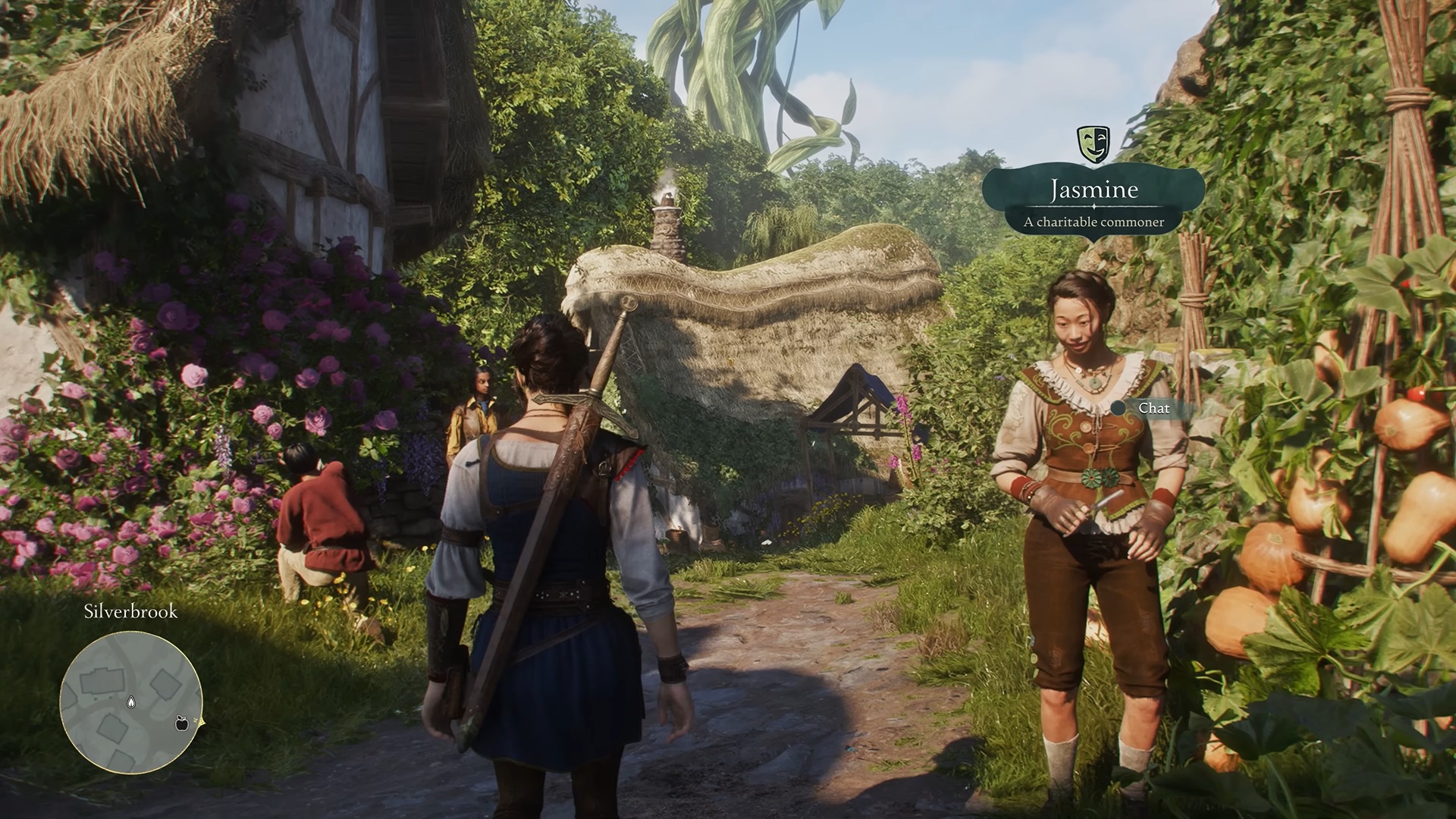
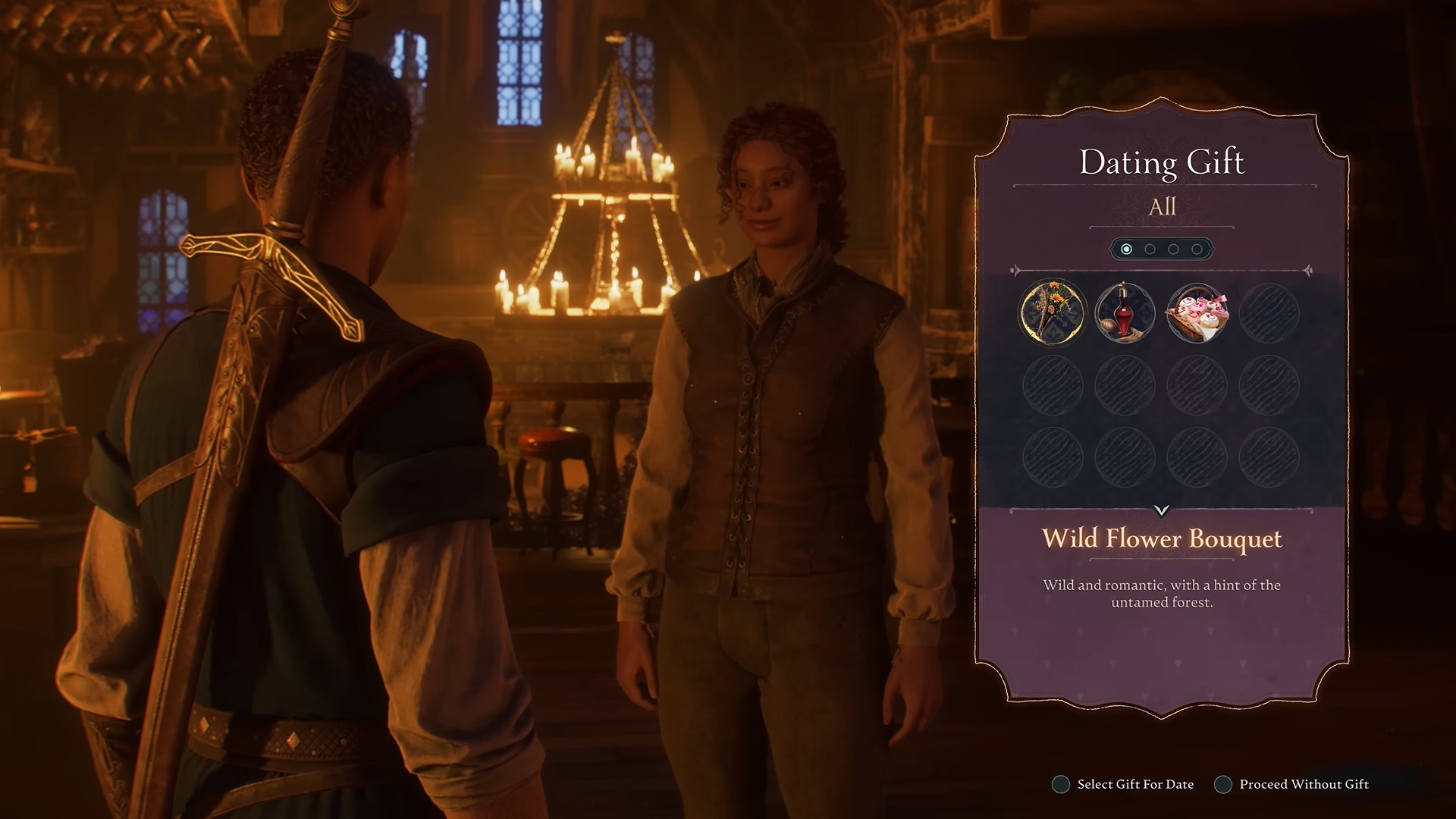
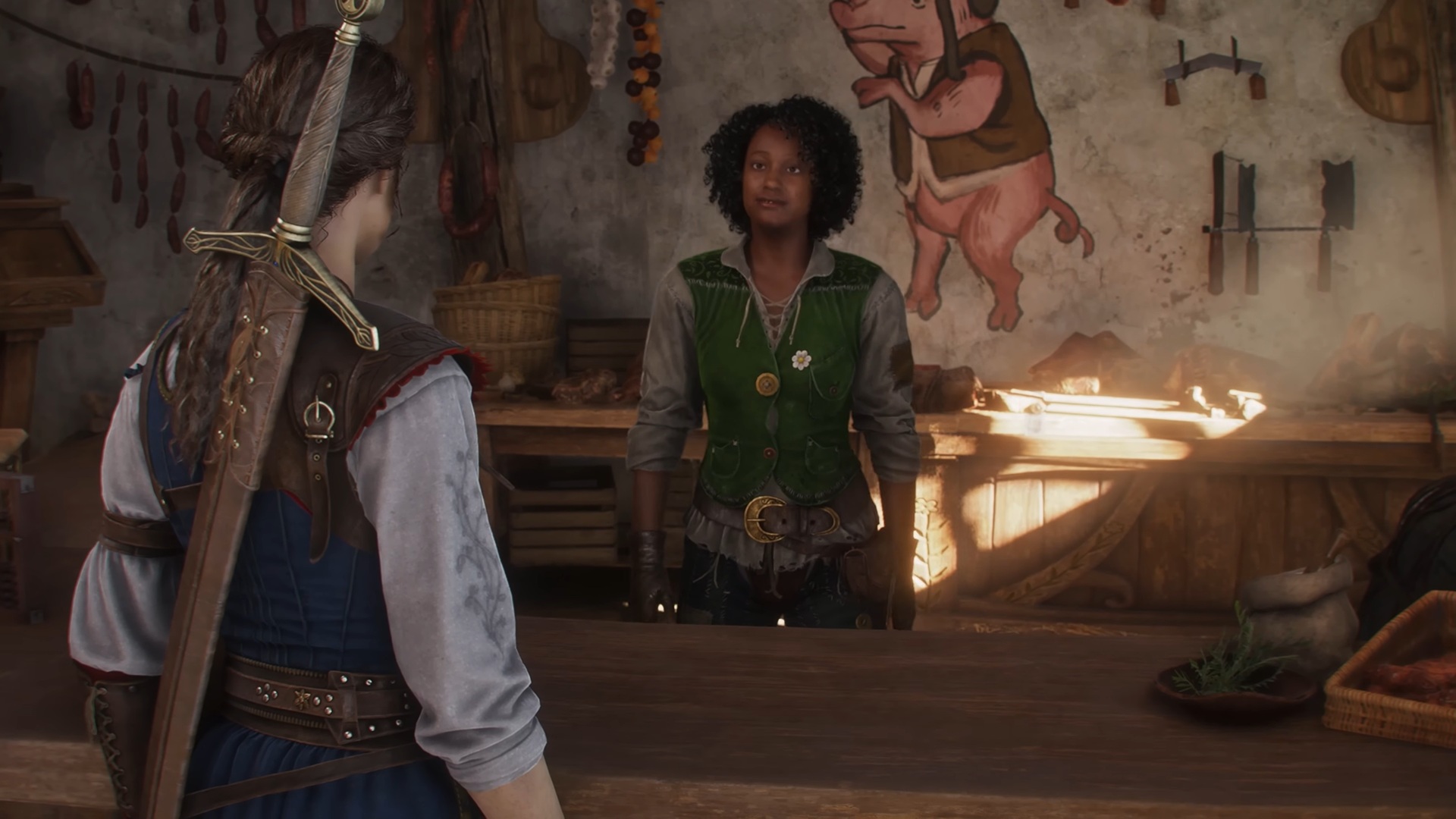
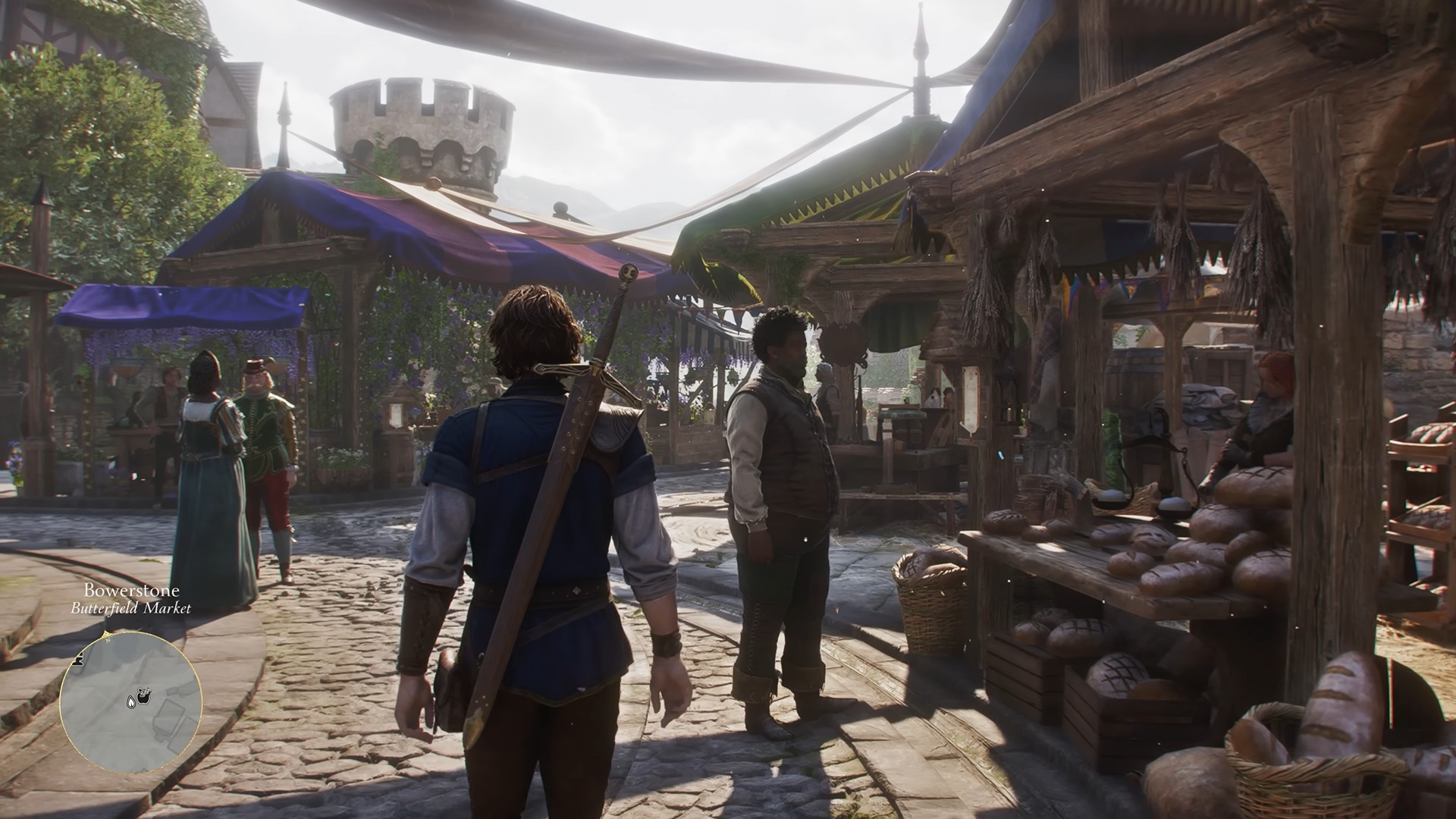
In the original Fable trilogy, NPCs referred to you with a variety of titles that were earned based on your actions or alignment. Playground's take on morality moves away from the title system to account for the game's "witness system" and the personalities of Albion's inhabitants. "We've moved away from the title system, because how people refer to you, and how they talk about you within the game, is really just driven by what they think of the things they know you've done," says Fulton. "What they know you've done is kind of interesting in itself, right? So there's kind of a witnessing system in there, and people have to see you do a thing before you can start to earn that reputation."
"Which still preserves something that's really important in a game like this – the fact that you can do things in secret and not pay the cost for them," Fulton continues. "Which I think is a really interesting thing in an open world game as well. The people will really know you and refer to you based on what they know you've done and how they feel about it."

I can be your hero
When I first played Fable 2, its morality system was unlike anything I'd come across before; it made me feel like I was having a tangible impact on the world through my decisions. But a lot has changed since 2008, and we don't tend to see binary morality systems like it as often in the world of RPGs today. Instead we see games like The Witcher 3: Wild Hunt present scenarios that aren't so cut and dry on the morality scale – the result being more memorable, subjective choices. To see Fable go in the shades of gray direction is really speaking my language.
"We spent so much time talking about morality at the start of this project," says Fulton. "Talking a lot about morality and how it was represented in those original games, and that very sort of binary good, evil spectrum that those games had as their hallmark, right down to their cover art; their box art was that split between good and evil, present and future."

"We talked about how it felt like some games had moved on in a more sophisticated way to discuss morality," he adds. "And certainly, when we look at the world, there's no objective good, there's no objective evil. I think there's nothing you could do in the world that would unite everybody in the belief that it was good or evil, right? It's entirely subjective, and I think that's really interesting. It's certainly interesting as a game system, and that's what we've pursued."
We won't truly understand the depth of this system until we play Fable later this year, although Fulton is quick to tease that there are an "abundance of things which will give you reputations or start earning you reputations" as you begin to venture to different settlements, with each population of NPCs reacting to or judging your actions. Perhaps somebody will see you being generous or dishonest; maybe they'll catch you being a bigamist (yes, really) which can all contribute to a change in reputation.
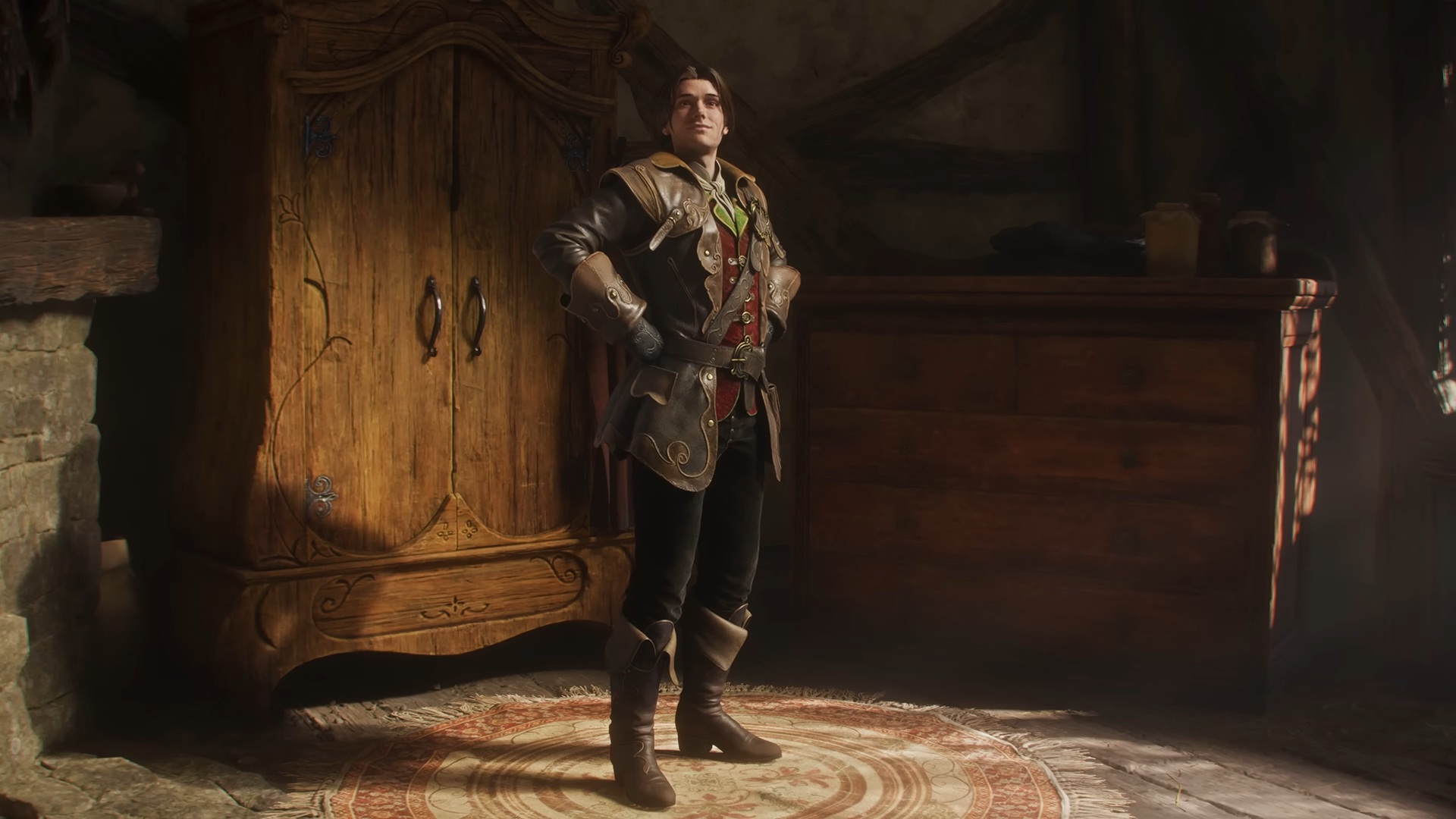
Fulton says that Playground has also moved away from having looks or attractiveness weigh on your reputation (a factor of the original trilogy), with your actions shaping worldviews rather than how you dress. "We like to make sure that however you choose to dress, that's fine," he adds, "because I think customization is really about personalization, right? It should be role-play for the player."
Speaking of customization, the Fable reboot will let you decide who you want to be far more freely in the looks department, rather than sticking to set character models, which ties back into the original question that has me so excited for Playground's take on Albion: what does it mean to you to be a hero?
"We see it as our role to make sure that you can be the hero you want to be," Fulton says. "And that obviously goes to customizing how your character looks. We have the ability to choose which character you are. There are a bunch of heads that you can choose from. You can customize that character with clothing, with hair color, with skin tone, tattoos, scars, all manner of customization options. So there is a suite of options there for you to make sure that you can be the hero you want to be in Albion."


With Xbox preparing for its biggest year of the console generation so far, GR+ is exploring the publisher's most anticipated first-party games (and some key Game Pass releases) as part of our Big in 2026 Spotlight series. Join us every day this week for exclusive interviews, new previews, and fresh insights into all of the upcoming Xbox games you need to have on your radar.
You must confirm your public display name before commenting
Please logout and then login again, you will then be prompted to enter your display name.