You are now subscribed
Your newsletter sign-up was successful
Want to add more newsletters?

Every Friday
GamesRadar+
Your weekly update on everything you could ever want to know about the games you already love, games we know you're going to love in the near future, and tales from the communities that surround them.

Every Thursday
GTA 6 O'clock
Our special GTA 6 newsletter, with breaking news, insider info, and rumor analysis from the award-winning GTA 6 O'clock experts.

Every Friday
Knowledge
From the creators of Edge: A weekly videogame industry newsletter with analysis from expert writers, guidance from professionals, and insight into what's on the horizon.

Every Thursday
The Setup
Hardware nerds unite, sign up to our free tech newsletter for a weekly digest of the hottest new tech, the latest gadgets on the test bench, and much more.

Every Wednesday
Switch 2 Spotlight
Sign up to our new Switch 2 newsletter, where we bring you the latest talking points on Nintendo's new console each week, bring you up to date on the news, and recommend what games to play.

Every Saturday
The Watchlist
Subscribe for a weekly digest of the movie and TV news that matters, direct to your inbox. From first-look trailers, interviews, reviews and explainers, we've got you covered.

Once a month
SFX
Get sneak previews, exclusive competitions and details of special events each month!
Tim Cain, who created the original concept for Fallout and led the development of the first game, has been around the industry long enough to recognize when the culture has shifted. In a new video, Cain breaks down why he believes "there's so much arguing" about games today. In short? Gamers are struggling to accept that people want different things from each other.
"As a developer, I always try to make games with the features I want," Cain says in a new video titled Arguing About Games, "but then I have people who get mad at me and argue that I should be adding other features, too, that I do not like." He gives romance as an example of a feature that he doesn't like, but one others argue he should be adding to his games.
"People have different thresholds" and "different priorities" about how much a given feature matters to them, Cain says, noting that "a lot of arguing I see online is gamers arguing past each other." He gives frame rates as another example – nobody wants a game with a bad frame rate, but players of high-precision shooters and fans of big, beautiful open worlds have fundamentally different expectations for what an acceptable frame rate is.
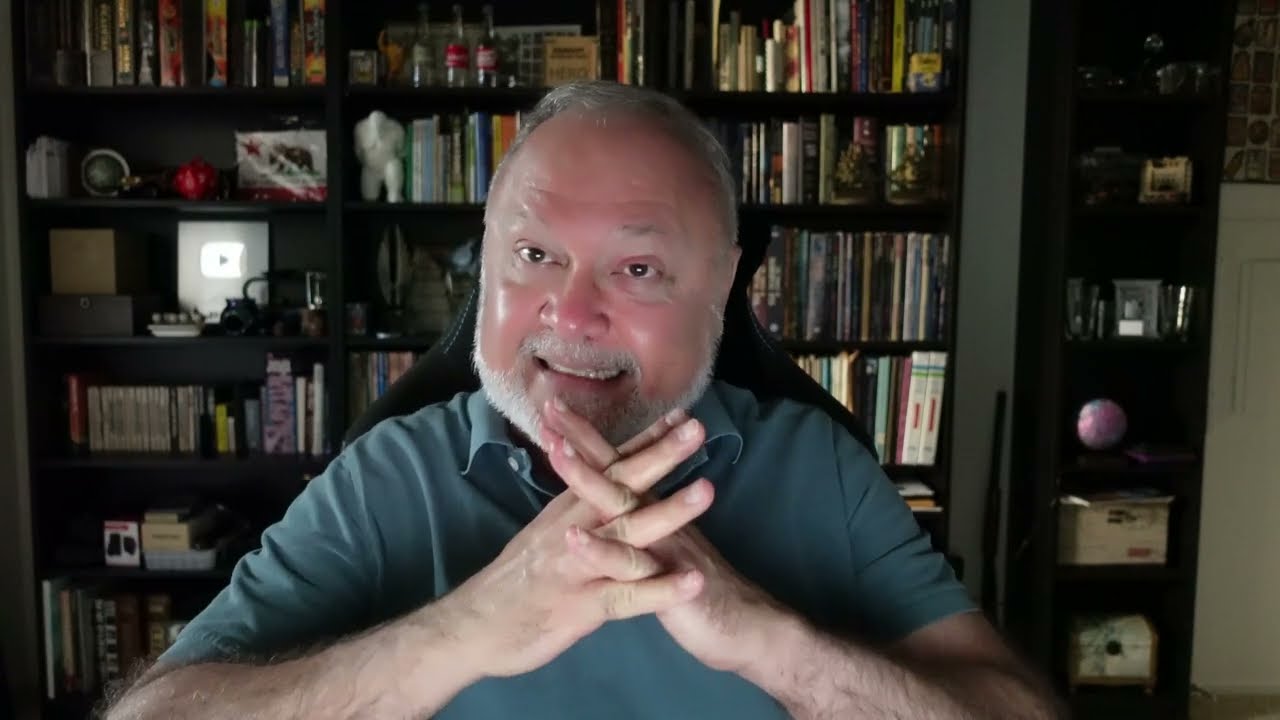
Cain says what this "results in is some people are leaving gaming altogether. I know gamers who've gone off and found new hobbies. They mainly play board games now, or card games, because there just isn't this arguing so much in that area. They aren't basically belittled for expressing what they like and don't like online. Also, developers leave. I know a lot of developers who left the industry and found jobs in associated industries – and I know the programmers were paid better, too. So, people are just leaving the game industry."
So what's the solution? "Buy the games you want to see more of," Cain says. "I know a lot of you go, 'That doesn't work. There's not enough of us. Don't have buying power.' But it works on solo and indie games. And if you see a game selling a lot, then that means there are gamers who like that game. And sequels happen for games that sell a lot. Not games you like – games that sold."
You're free to "argue past each other and you can all call each other names," he acknowledges, but you're going to get a lot more of what you want out of gaming if you spend your time and money on things you enjoy rather than yelling about the stuff you hate. "It's the only way forward through this I can see," Cain concludes. "And I hope you do it."
Surely our list of the best games of 2025 will create no arguments.

You must confirm your public display name before commenting
Please logout and then login again, you will then be prompted to enter your display name.