





Call of Duty: Modern Warfare 2 is doing everything it can to make you slow down. It's quite the shift, particularly as Infinity Ward (and the litany of Activision studios that have followed in its footsteps) has spent the better part of 17 years conditioning us to navigate online battlefields with highly specific tactics. We were taught to sprint between firefights with two eyes glued to the mini-map, to reload our weapons the second a single bullet is fired from the chamber, and to aggressively press every opportunity to push at a frontline – as it was in Call of Duty 2; so it remains in Vanguard.
If you played the Modern Warfare 2 beta, you'll know that engaging in combat as you would in any other Call of Duty invites a frequency of frustration to play sessions. Improved audio fidelity ensures that sprinting sounds a death knell, signaling your position with impressive clarity to surrounding soldiers. Mini-map functionality has been drastically altered, and using it as a navigational guide will lead you to stumble clumsily between engagements. Checkpoint reloading has added additional consideration to swapping out a magazine at first opportunity, and the time-to-kill (TTK) is so drastically fast that firing at the first sight of an enemy invites little more than swift retribution.
To survive – let alone thrive – in the core 6v6 Modern Warfare 2 multiplayer experience, you need to slow down, check your corners, and carefully place your shots. It's a defiant change to a long-established pace of play, and I'm a big fan of it.
Fight smarter, not harder
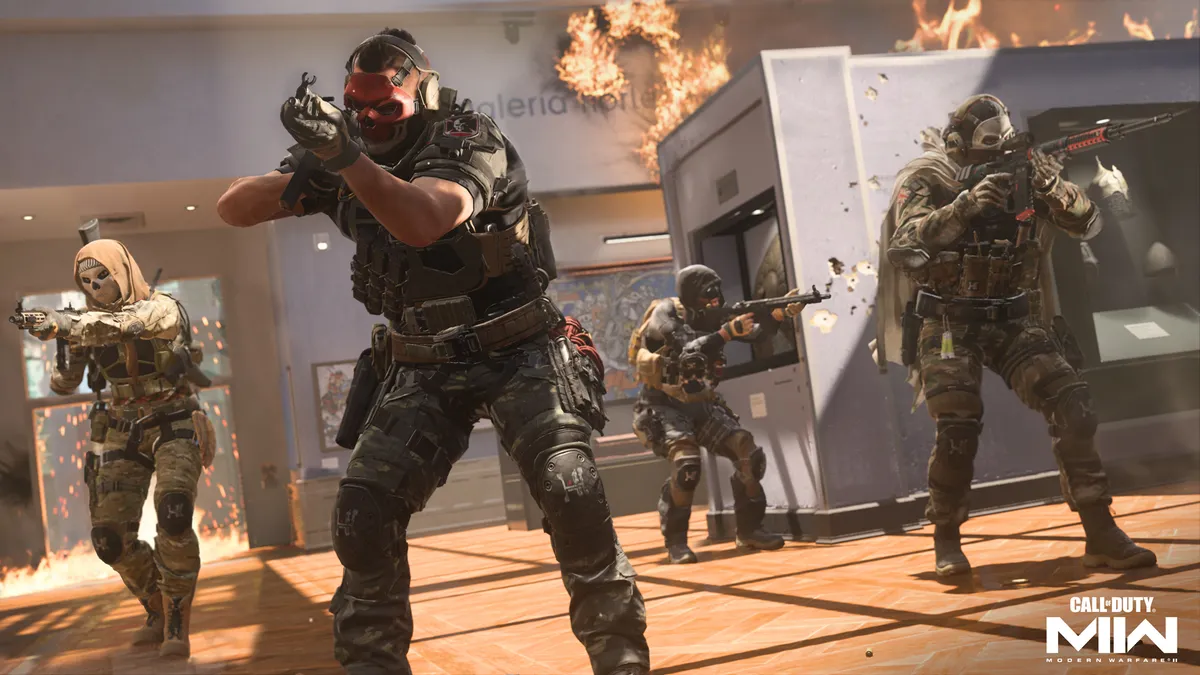
Unsurprisingly, such fundamental changes have already sown division amongst the more vocal corners of the Call of Duty community. But the truth is, something fundamental had to change. You need only look back at the reception to the last decade of games as evidence of that. Advanced and Infinite Warfare were strong responses to the tepid reception of Ghosts, though were ultimately judged by the masses as having taken one too many steps into the future. WW2, Black Ops Cold War, and Vanguard have essentially been accused of the reverse – relying too heavily on incrementalism, rooting Call of Duty's multiplayer so heavily in the past that it was at risk of losing its relevance entirely. Where can the series go when evolution is met with the same derision as regression?
And so Activision has invested heavily in the series' one true success story of the last generation – Call of Duty: Modern Warfare. The 2019 reboot set a new standard for visual and audio fidelity in the genre, and its wonderful technical and mechanical design set the foundation for Warzone – the one true Fortnite contender in the battle royale scene. Modern Warfare 2 is similarly ambitious. Movement and map traversal is weighted and well-balanced, gunfeel is fantastic and recoil patterns suitably nuanced, and I could spend all day talking about the depth of the sound design. All of this makes for a more methodical, tactical experience – without diluting the carnage that has always been at the heart of COD.

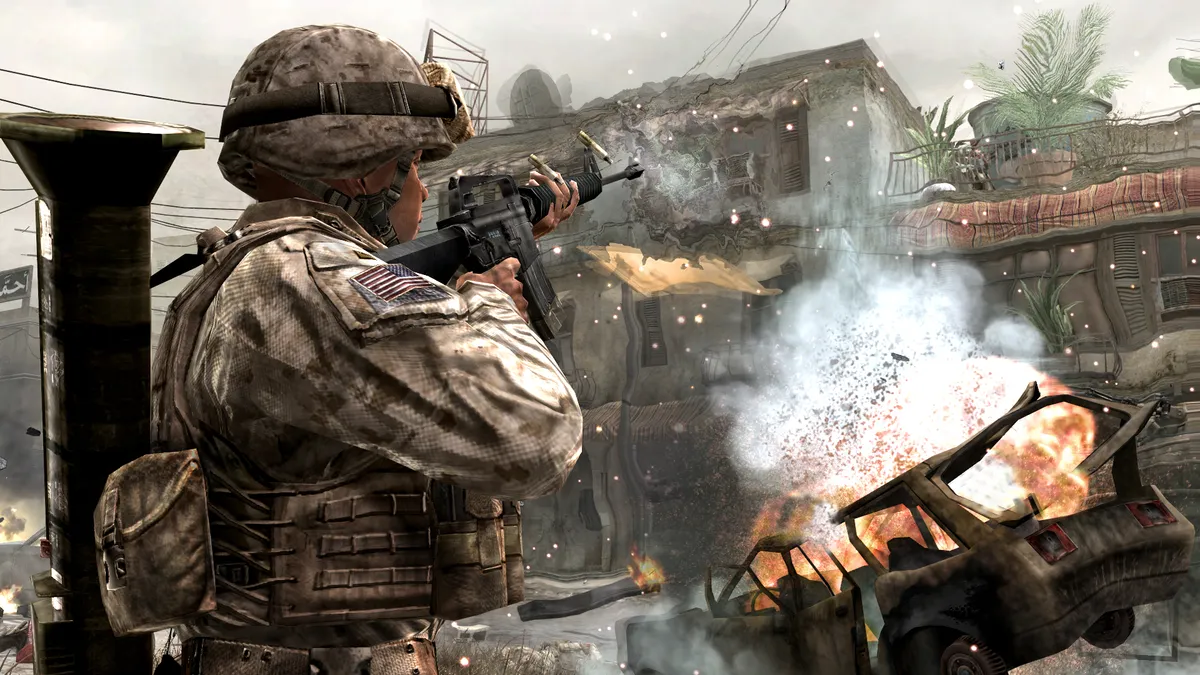
While you wait for Modern Warfare 2, why not go back and replay one of the best Call of Duty games of all-time.
There will be continuing calls in the coming weeks for Infinity Ward to reverse the biggest changes. To alter the mini-map (players are no longer highlighted when they shoot), to amend the controversial perk system (four can be equipped, with two activating once enough points have been accrued within a round), for the TTK to be made slower globally, and for the sound of footsteps to be reduced in the mix. Honestly, I hope Infinity Ward stands its ground, and takes stock of the reception a few weeks after launch. People fear change, even if it's in their best interest.
Infinity Ward has found itself in a similar position before, after all. It tried to release 2019's Modern Warfare with no mini-map in default multiplayer modes, a change that would have forced players to be more aware of visual and audio cues and use the compass guide that's displayed across the top of the screen to chase noisy players. Naturally, this was reversed ahead of launch after blowback from Call of Duty's loudest critics, but it introduced an interesting shift to play nonetheless – no longer was Call of Duty effectively played in the top-left corner of the screen, and it was all the better because of it. A similar, but less drastic, change has occurred in Modern Warfare 2, where the revised mini-map no longer tracks active gunshots with flashing red dots.
This feeds into a wider piece, and can not be so easily changed. By asking you to focus less on the mini-map, you're required to have more situational awareness of what's happening in front of (and around) you. Sprinting wildly around the map is something that you can do, but footsteps are easily detected and death follows swiftly. That's largely because the faster TTK is really punishing, forcing the tactical assessment of player movement and your own positioning before pulling the trigger. When each of these elements clicks into place, it create the change that so many Call of Duty players have been craving. And for my money, the act of moving more slowly and purposefully is incredibly satisfying.
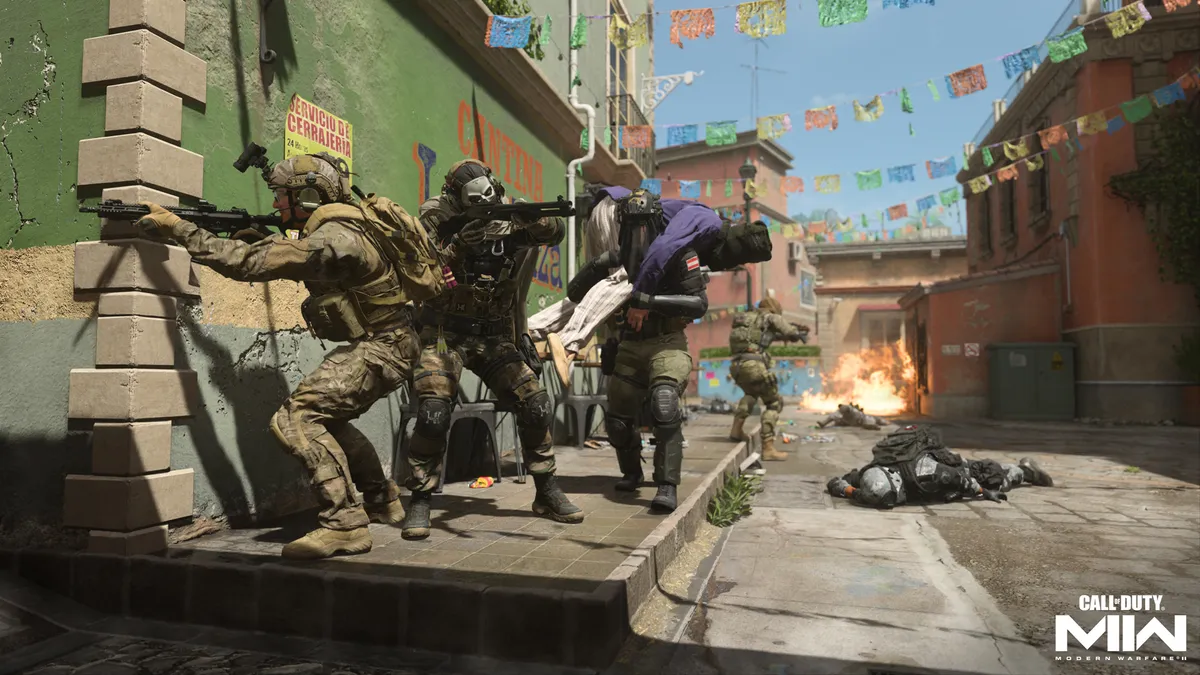
There's a real joy to be found in locking down wide areas with an LM-S marksman rifle – headshots for those who dare sprint between points of cover before checking their corners. And fun to be had in sweeping through buildings with tight bursts of the M4 Assault Rifle, punishing all those who fail to be mindful of their footsteps. I've never been a big fan of the shotgun in Call of Duty, but even that had its moments when patiently clearing and defending buildings in objective-based game modes. What I'm saying is that Call of Duty: Modern Warfare 2 is a hell of a time, if you're willing to lock in with its rhythm. It's slower, it's more tactical, and it's perhaps the most fun I've had with a Call of Duty pre-release in a number of years.
Call of Duty players are wary of change, and Infinity Ward knows this and I totally get it – I've certainly been there before. But if the Modern Warfare 2 beta proves anything, it's that the studio may have finally found a way to alter the dynamics of play without dragging the wider community too far from its comfort zones. I'm all in.
Modern Warfare 2 is set to launch on PC, PS5, Xbox Series X, PS4, and Xbox One on October 28. Two weeks later, Warzone 2 will usher in a new era of battle royale.

