You are now subscribed
Your newsletter sign-up was successful
Want to add more newsletters?

Every Friday
GamesRadar+
Your weekly update on everything you could ever want to know about the games you already love, games we know you're going to love in the near future, and tales from the communities that surround them.

Every Thursday
GTA 6 O'clock
Our special GTA 6 newsletter, with breaking news, insider info, and rumor analysis from the award-winning GTA 6 O'clock experts.

Every Friday
Knowledge
From the creators of Edge: A weekly videogame industry newsletter with analysis from expert writers, guidance from professionals, and insight into what's on the horizon.

Every Thursday
The Setup
Hardware nerds unite, sign up to our free tech newsletter for a weekly digest of the hottest new tech, the latest gadgets on the test bench, and much more.

Every Wednesday
Switch 2 Spotlight
Sign up to our new Switch 2 newsletter, where we bring you the latest talking points on Nintendo's new console each week, bring you up to date on the news, and recommend what games to play.

Every Saturday
The Watchlist
Subscribe for a weekly digest of the movie and TV news that matters, direct to your inbox. From first-look trailers, interviews, reviews and explainers, we've got you covered.

Once a month
SFX
Get sneak previews, exclusive competitions and details of special events each month!
Strategy games haven't been the same since the original Dawn of War. Released way back in 2004, it broke the mould with a chainsword, replacing it with something altogether different. No longer would turtling work wonders on your dismal enemies; you needed to get boots on the ground and start battling immediately. If you can't tell, I love the series, and was very excited when Dawn of War 4 got announced.
This latest title marks something of a sea change for the franchise, with long-time developers Relic being replaced by King Art, developers of Iron Harvest, taking stewardship of the franchise. It's something that they're rightfully proud of, with creative director Jan Theysen describing the challenge as "a great honor and privilege" as well as a "huge responsibility."
Asymmetric Warfare

Big in 2026 spotlights the 50 most anticipated games of the year, with exclusive developer access and deep dives. Join us daily for new previews, and visit the Big in 2026 coverage hub to stay on top of it all!
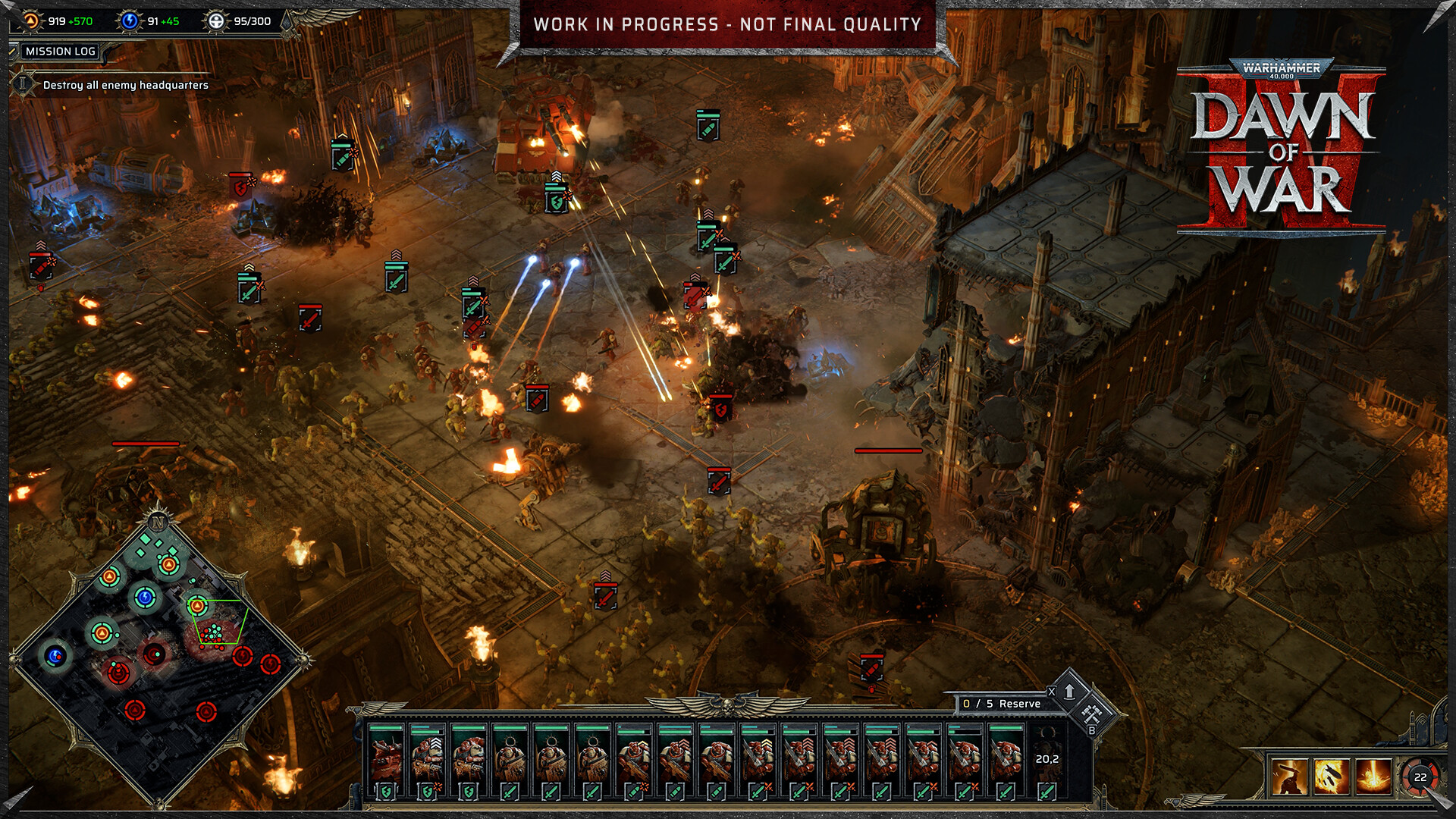
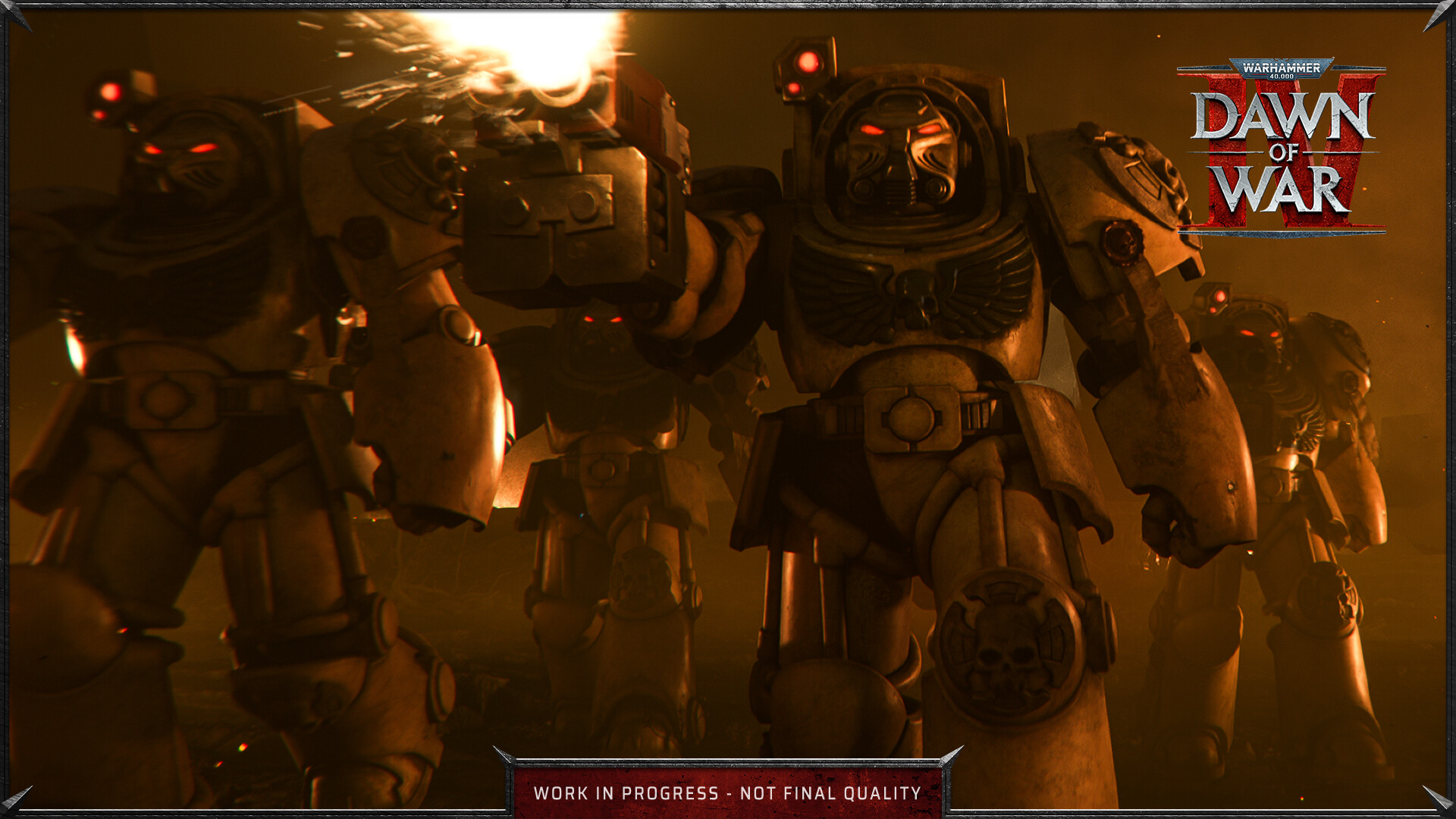
We've certainly enjoyed what we've played so far, with resident strategy aficionado Andrew Brown absolutely loving the time he spent with its demo back in August. The latest instalment returns players to Kronus, the setting for the original Dawn of War's expansion, The Dark Crusade, approximately 200 years after the events of that game. The campaigns will feature the Blood Ravens (a Space Marines chapter created for this franchise, fact fans), the Adeptus Mechanicus, Orks, and Necrons, with a combined total of 70 missions, which is pretty wild for a modern RTS.
Each faction has its own pros and cons, but they also boast radically different playstyles. Space Marines, such as the campaign's Blood Ravens, are all about unit flexibility, with Theysen saying that "they struggle to field large armies, so strategic positioning and fortifying critical locations is key to ensure units are where they need to be".
Meanwhile the Adeptus Mechanicus, essentially Imperial engineers, "leverage their Noosphere Network to boost the effectiveness of units and structures within and [use] Augur Vision to spot enemy maneuvers within the fog of war. Creating a large, interconnected base enables the Adeptus Mechanicus to field powerful vehicles and enhance their relatively fragile infantry". The mention of large bases is interesting, placing Dawn of War 4 in the lineage of the original game, rather than its sequel.
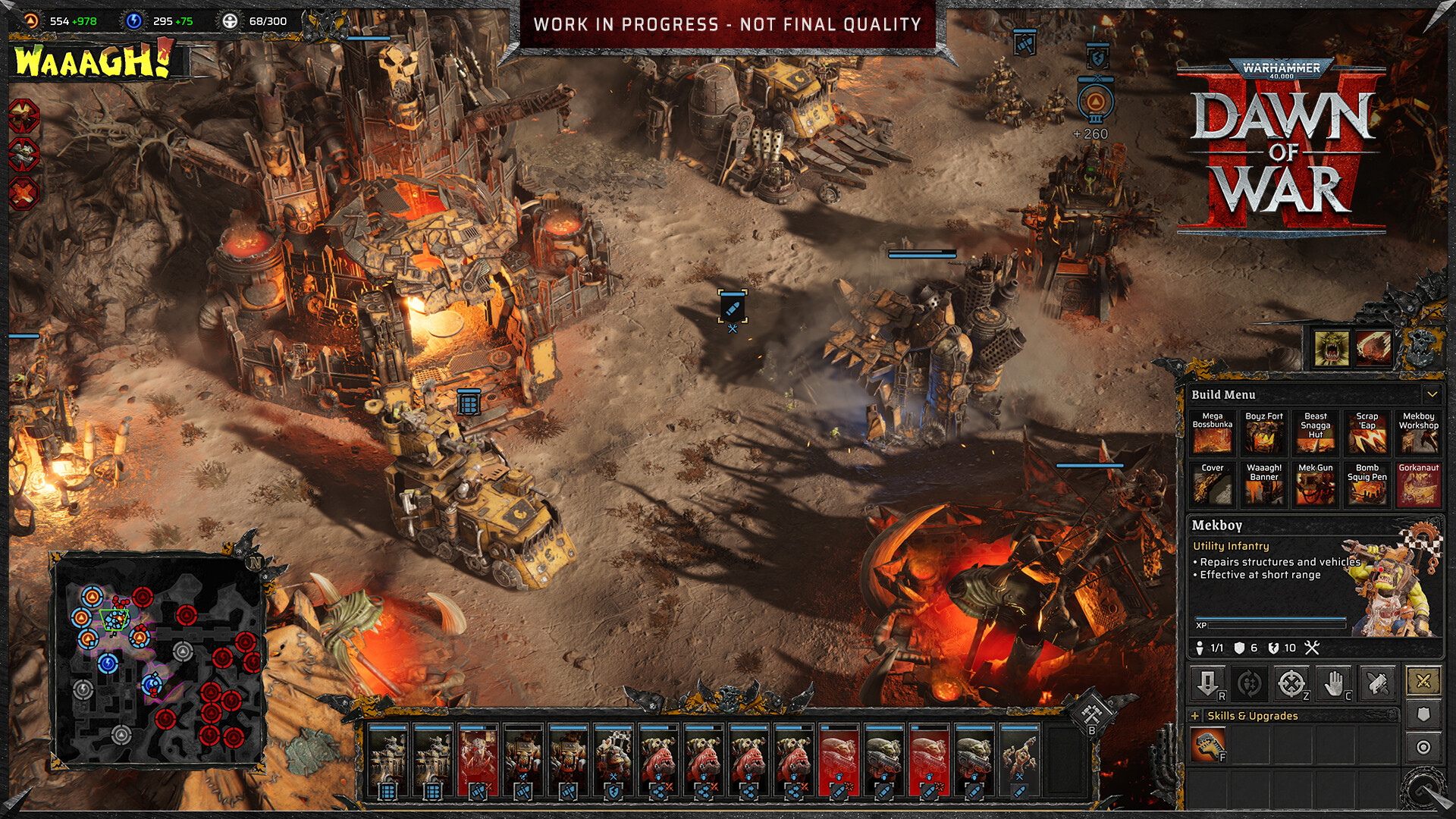
Orks, everyone's favorite football hooligans, are far more about strength in numbers than anything particularly advanced. Theysen notes that they're capable of "easily sweeping opponents away in an unstoppable green tide", despite their individual weakness. Essentially, getting your WAAAGH on promises to be as entertainingly chaotic as it always has been.
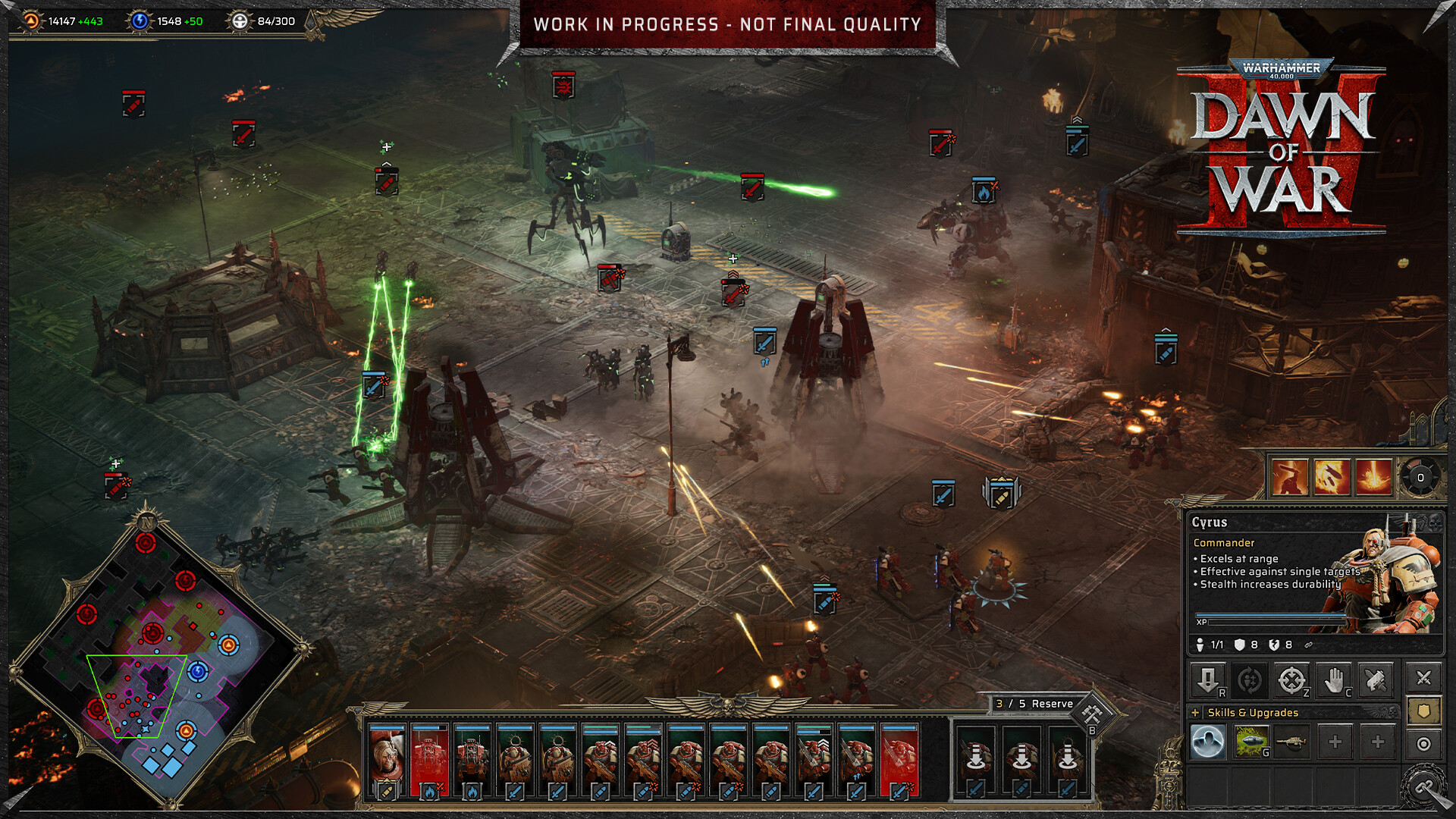
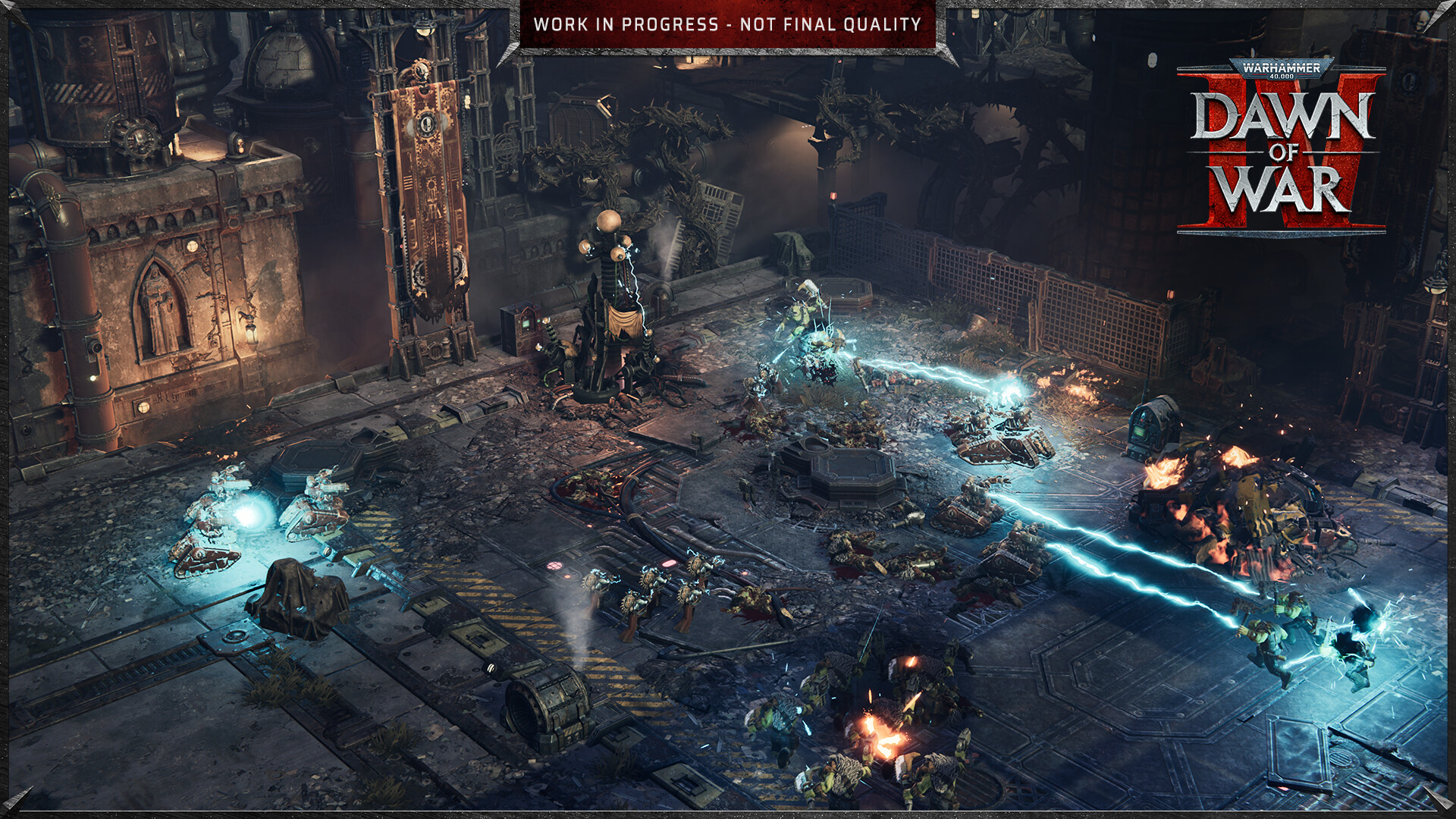
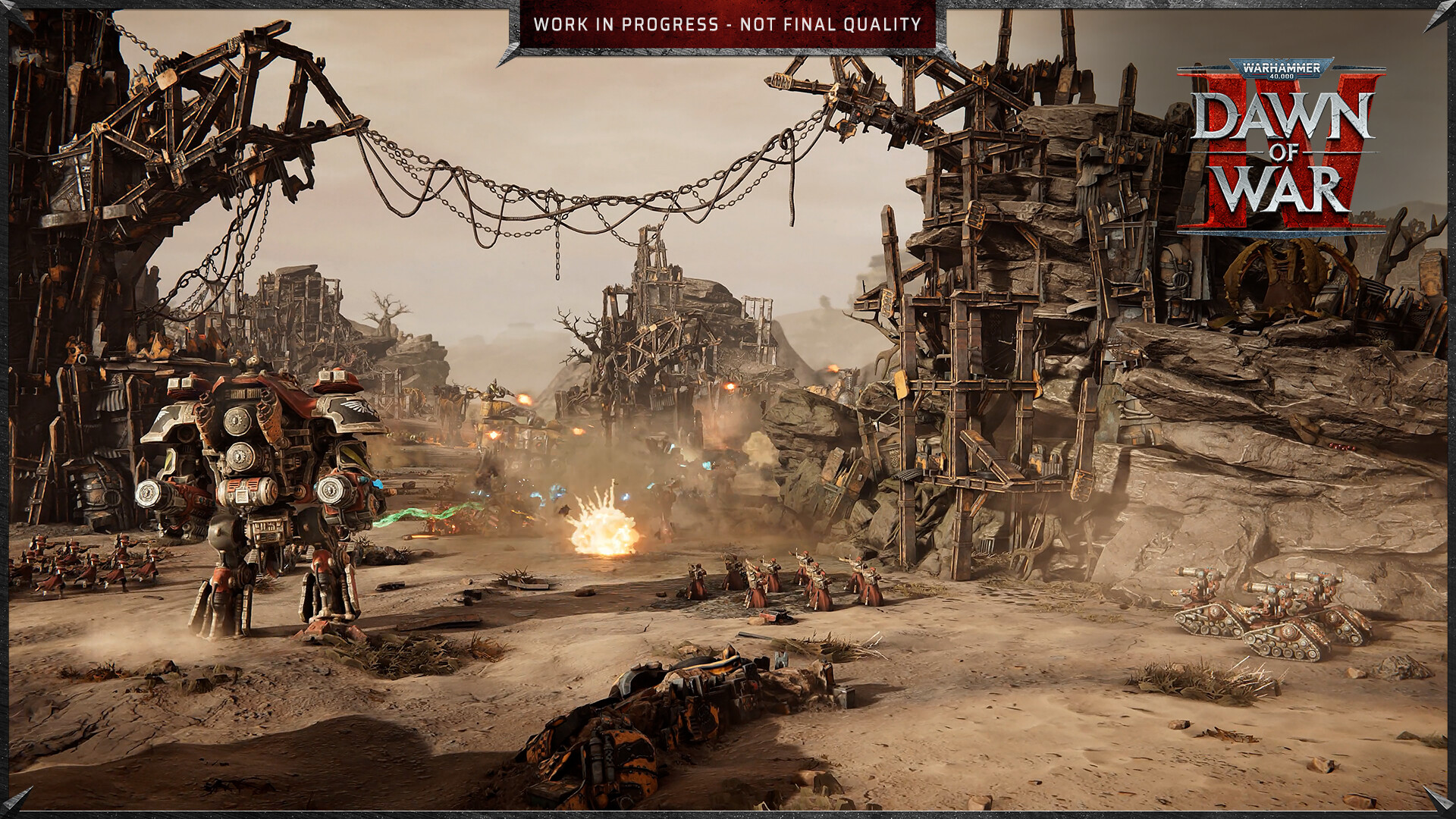
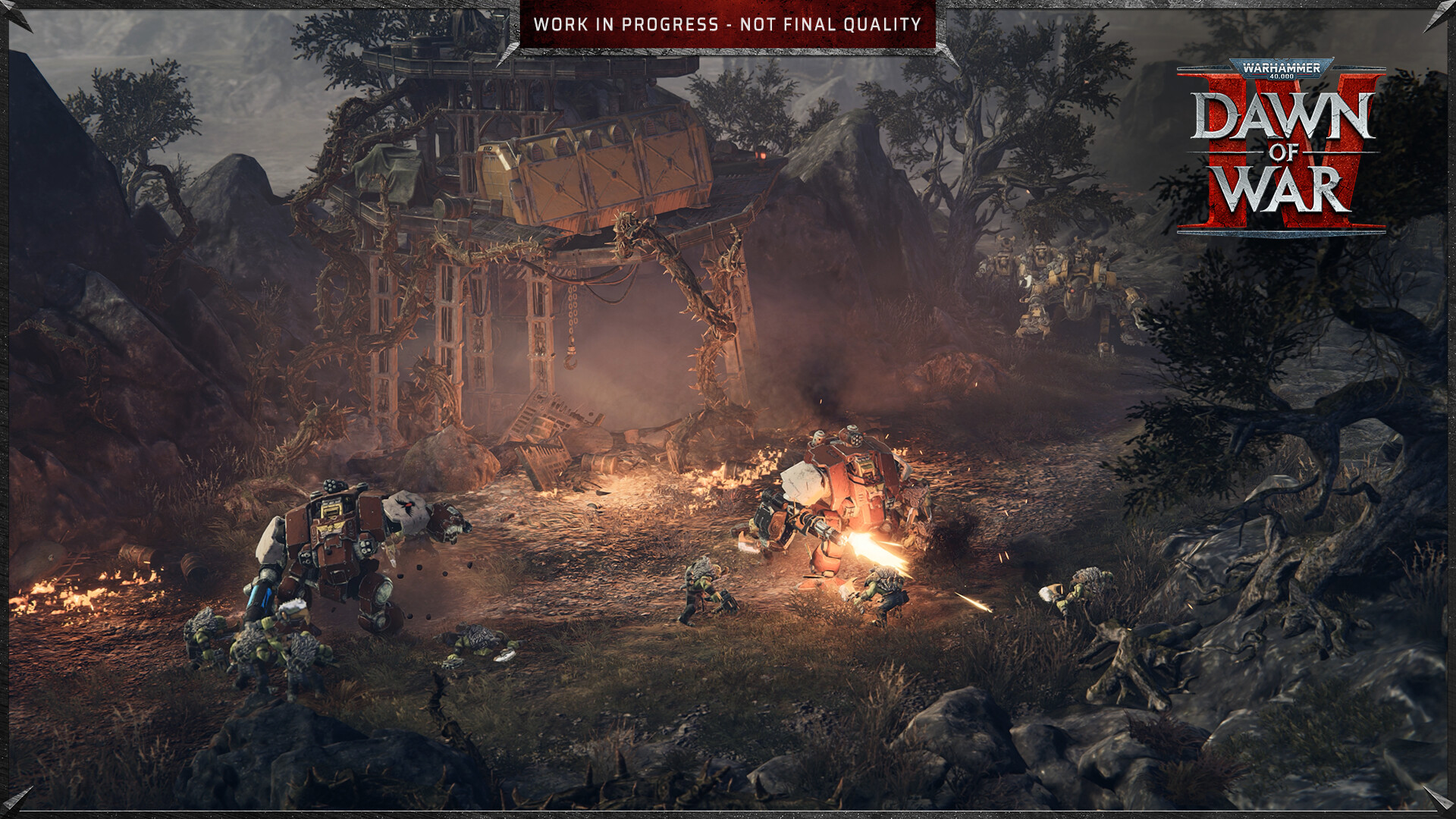
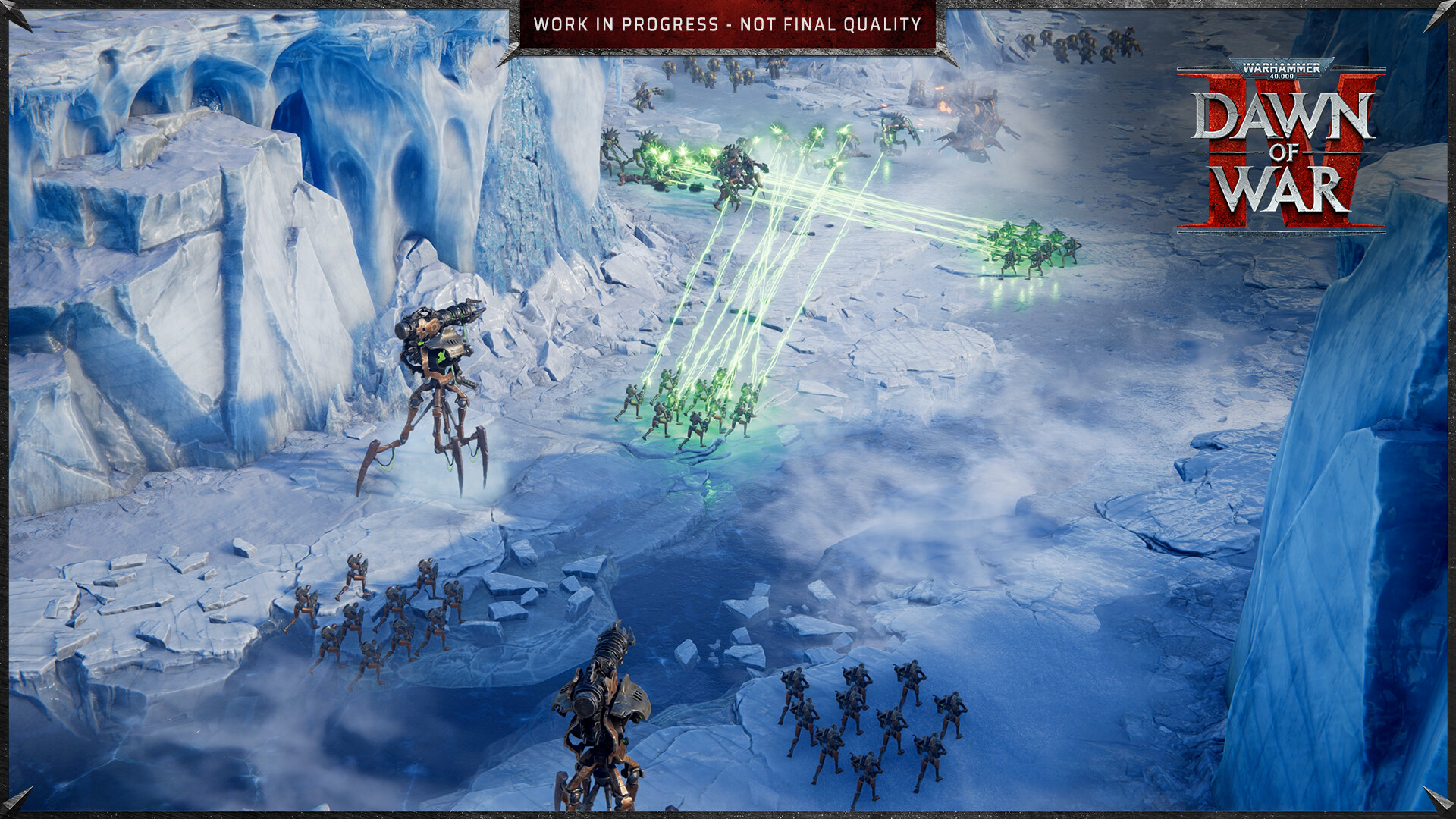
Finally, we have the Necrons, robotic skeletons that have woken up from a 60-million-year nap and gotten out on the wrong side of bed. Their playstyle is defined by their slow but extremely hardy units that regain HP over time. They gain their strength from the Power Matrix, which Theysen says is represented as "a terrain effect that spreads from their structures and boosts their units' HP recovery even further".
With four different factions available at launch, the question of balance necessarily comes up, and King Art appears to be taking it appropriately seriously. Theysen notes various strategies that players will be able to use when playing as and against the various factions. For example, the Necrons are weakest at the start of the game – defeating them requires a speedy advance lest you be crushed by their slow, but unrelenting tide, especially as Necrons gain teleportation abilities in the late-game. This isn't the only example of a faction's gameplay style changing over time, either – Orks will have the option to go full green tide in the late game or specialize with more expensive elite units.
Factions will also have access to unique stratagems, off-map abilities that can turn a losing battle around. You can expect them to be balanced slightly differently in single-player and multiplayer modes, too, ensuring "each faction feels as lore-accurate as possible in the campaigns, while being more even-handed in multiplayer."
As you would want from a Dawn of War game that follows the lineage of its predecessors, there's not too much busywork to do. The team wants to "create gameplay that feels authentic to the fantasy of each faction within the Warhammer 40.000 universe rather than strict genre convention", which means that streamlining is required. For example, the Space Marines won't have to use worker units to construct buildings – instead, they will be dropped, fully-formed, from orbit.
The main thing that the game is trying to avoid, according to Theysen, is a reliance on "micromanagement or twitch reactions", so Starcraft, this ain't. Players will be able to upgrade units to give them more modular control over their troops, too, so the main theme appears to be one based around long-term strategic planning, rather than being able to turn on a sixpence.
As with previous Dawn of War instalments, multiplayer is also a strong focus with Dawn of War 4. The Last Stand, a horde mode, is set to make its return, as will 1v1, 2v2, and 3v3 multiplayer battles. If King Art does a good job, and they seem to have so far, we may well end up with a new RTS multiplayer favorite. It's certainly an ambitious vision, and one that we'll be keeping an eye on with a lot of interest.


You must confirm your public display name before commenting
Please logout and then login again, you will then be prompted to enter your display name.