You are now subscribed
Your newsletter sign-up was successful
Want to add more newsletters?

Every Friday
GamesRadar+
Your weekly update on everything you could ever want to know about the games you already love, games we know you're going to love in the near future, and tales from the communities that surround them.

Every Thursday
GTA 6 O'clock
Our special GTA 6 newsletter, with breaking news, insider info, and rumor analysis from the award-winning GTA 6 O'clock experts.

Every Friday
Knowledge
From the creators of Edge: A weekly videogame industry newsletter with analysis from expert writers, guidance from professionals, and insight into what's on the horizon.

Every Thursday
The Setup
Hardware nerds unite, sign up to our free tech newsletter for a weekly digest of the hottest new tech, the latest gadgets on the test bench, and much more.

Every Wednesday
Switch 2 Spotlight
Sign up to our new Switch 2 newsletter, where we bring you the latest talking points on Nintendo's new console each week, bring you up to date on the news, and recommend what games to play.

Every Saturday
The Watchlist
Subscribe for a weekly digest of the movie and TV news that matters, direct to your inbox. From first-look trailers, interviews, reviews and explainers, we've got you covered.

Once a month
SFX
Get sneak previews, exclusive competitions and details of special events each month!
On its way to a historic awards haul last year, critics and fans breathlessly glazed Clair Obscur: Expedition 33 for "saving turn-based RPGs." A genre that's been around since the 1980s, the best RPGs have seen their ups and downs – but there was little to suggest that a French developer founded in 2020 would make one of the most critically lauded RPGs of all time. Like 2023's Baldur's Gate 3 before it, Clair Obscur blew up and proved, once again, that RPGs are for everyone.
Even before Clair Obscur's dominance during awards season, turn-based RPG fans were feasting. From Octopath Traveler, Metaphor: ReFantazio, Chained Echoes, Sea of Stars, Baldur's Gate 3, and Eiyuden Chronicles to high profile remakes and remasters of Final Fantasy 1-6, Dragon Quest 1-3, Suikoden 1 & 2, Lunar: Silver Star Story Complete and Eternal Blue Complete, Persona 3, and Bravely Default, there have been more turn-based RPGs released over the past five years than a dad with a full time job like me could keep up with. Hardly the signs of a struggling genre.
Drag-on quest
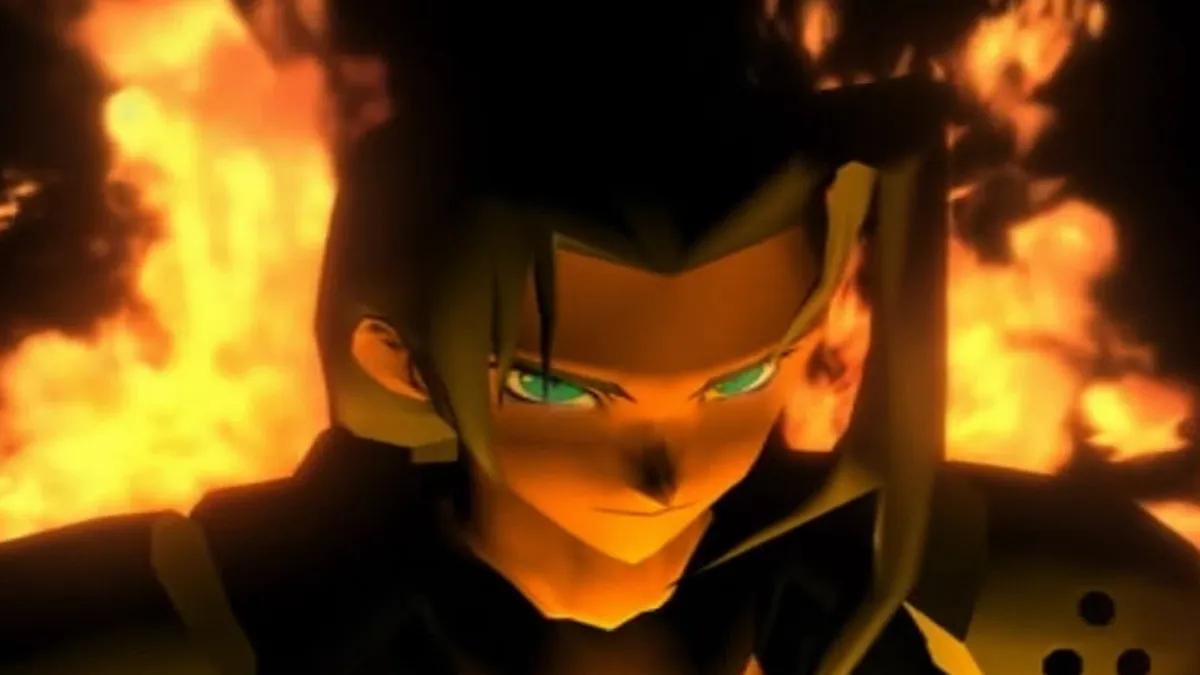

Back in the late '90s, turn-based RPGs on home consoles were selling a consistent half million copies or so, but never really breaking through that ceiling.
In 1997, Square released Final Fantasy 7 with a $40M marketing budget that matched its entire development cost, and blew the lid of the genre in North America and Europe, introducing millions of new fans to the series and RPGs. Four years later, Final Fantasy 10 did it again, becoming one of the best-selling PlayStation 2 games of all time, and introducing another generation of players to turn-based RPGs.
Stuffed between those two iconic Final Fantasy releases was the only PlayStation entry in the Dragon Quest series. Originating on the NES in the mid '80s, Yuji Horii's RPG series helped inspire Final Fantasy's creation, and for much of the '90s they raced neck-and-neck.
Despite Dragon Quest's delirious popularity in Japan, it disappeared in North America during the 16-bit era, which included a couple of fan favourites in DQ 4 and DQ 5, which marked a foray into new narrative structures, and only returned late in the PlayStation's lifecycle with Dragon Quest 7; a game that looked, and played, like an early-gen title.

Released after Square had revolutionized the genre, and sent it into stratospheric realms of mainstream popularity with 1997's Final Fantasy 7 – just six weeks before the series' PlayStation 2 debut with Final Fantasy 10 – Dragon Quest 7 was everything Final Fantasy wasn't.
Stodgy and lacking a lot of the quality of life features new fans of the genre were used to, small character sprites and mushy polygonal environments, and a runtime almost three times that of most Final Fantasies, it was a glimpse of what console RPGs might've looked like if Final Fantasy creator Hironobu Sakaguchi hadn't applied his Hollywood aspirations to his video games.
In the wake of Clair Obscur's success, with mainstream eyes once again lovingly turned toward turn-based RPGs, Dragon Quest 7 returns with a streamlined remake, hoping to finally find worldwide popularity to match its ravenous following in Japan while riding a wave created by a game it helped inspire in the first place.
For those who came before
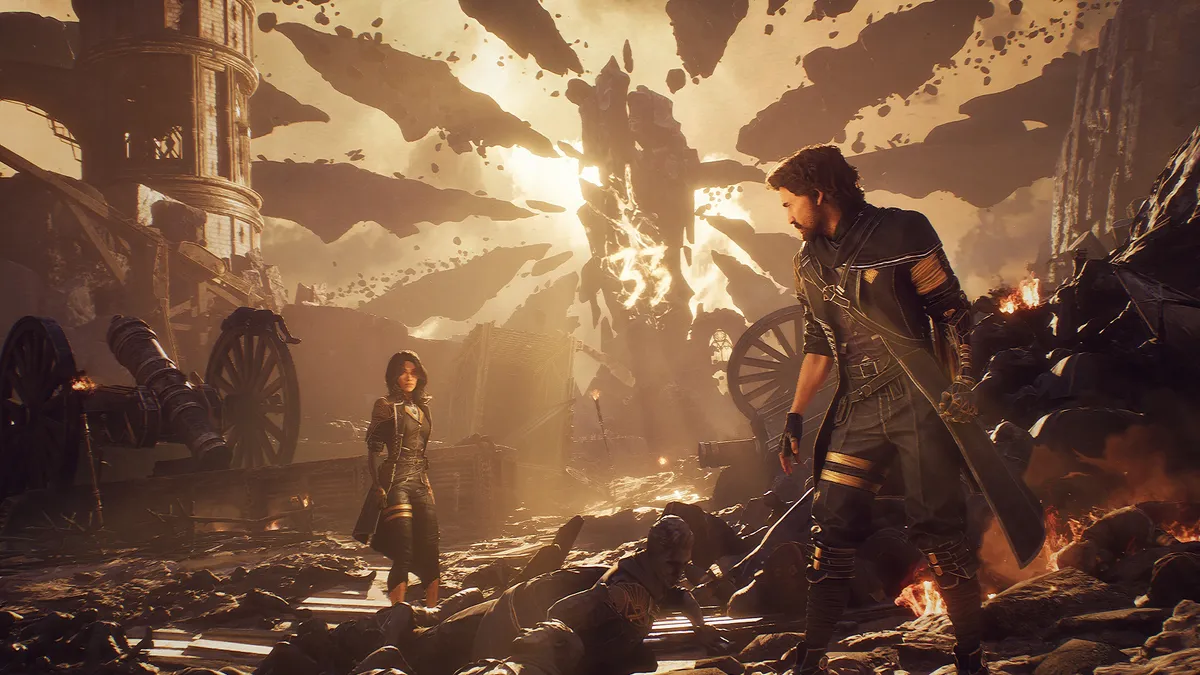
We don't need copycats of Sandfall's melancholy homage, but new experiences that respect the history of the genre...
Final Fantasy 7 (and to a lesser extent, Final Fantasy 10) found success by challenging what players expected from the genre. It paired RPGs' tabletop roots with an emphasis on linear, cinematic storytelling Sakaguchi had been chasing for a decade.
Clair Obscur's turn-based, stat-heavy mechanics aren't anything new to RPGs. Its parry, dodge, and timing-focused combat system is more or less the same as 1996's Super Mario RPG, and its story borrows heavily from Final Fantasy 10, but its success was driven by executing tried-and-true formulas and executing on them at a consistently high level. It didn't save turn-based RPGs, but it did convince a lot of new and lapsed fans that, perhaps, those games could be more than they expected.
Despite the work Final Fantasy 7 did in popularizing the genre worldwide, Dragon Quest 7 failed (in North America, anyway; it sold like gangbusters in Japan) for largely ignoring the genre's evolution in the wake of FF7's success. For starters, the way it leans heavily on the series' fragmented, vignette-heavy structure leads to an opening sequence that feels more disjointed and lacking any sort of narrative pacing.

Its 2013 3DS remake attempted to address some of these issues, but without strong narrative momentum, and a solid 40 hours before the game's genuinely interesting job system opens up, the game still felt fundamentally flawed.
Now, Dragon Quest 7 Reimagined lands in an environment perfectly suited to its quirks, and the sanding off of its rough edges will help it appeal to a new audience curious about the "saved" genre.
As a longtime genre fan and historian who's written a whole book about the history of Dragon Quest, I can appreciate 7's ambitions without enjoying them. Dragon Quest 7 Reimagined is the first version of the game that doesn't get in its own way. In a post Clair Obscur world, we don't need copycats of Sandfall's melancholy homage, but new experiences that respect the history of the genre without being mired by its legacy of ideas.
In their own ways, Dragon Quest 7 and Clair Obscur are looking for mainstream success in the same way: by understanding the strength of the history they're representing, and embracing that, rather than running from it.

Dragon Quest 7 Reimagined is the first version of the game that doesn't get in its own way.
By throwing off uncritical loyalty to many of Dragon Quest's long-time design choices, Reimagined might lose some appeal for long-time fans. But, given its divisive nature, it feels like a perfect representation of old school console RPG design that knows exactly which elements are unlikely to appeal to new genre fans.
Piggybacking off Clair Obscur's incredible success, capping off an incredible run of new and remastered turn-based RPGs, and with a growing audience at its behest, Dragon Quest 7 has a chance to finally find the acclaim equal to its ambitions while proving that turn-based RPGs never needed saving in the first place.
As I was playing the other night, my eldest kid, who's seen me play a million RPGs over the years, walked into the living room and said, "Oh, this is like a video game version of Dungeons & Dragons." At that same moment, somewhere in the world, Yuji Horii got goosebumps.
Check out more games like Final Fantasy if you're craving more turn-based adventures in 2026!

You must confirm your public display name before commenting
Please logout and then login again, you will then be prompted to enter your display name.