You are now subscribed
Your newsletter sign-up was successful
Want to add more newsletters?

Every Friday
GamesRadar+
Your weekly update on everything you could ever want to know about the games you already love, games we know you're going to love in the near future, and tales from the communities that surround them.

Every Thursday
GTA 6 O'clock
Our special GTA 6 newsletter, with breaking news, insider info, and rumor analysis from the award-winning GTA 6 O'clock experts.

Every Friday
Knowledge
From the creators of Edge: A weekly videogame industry newsletter with analysis from expert writers, guidance from professionals, and insight into what's on the horizon.

Every Thursday
The Setup
Hardware nerds unite, sign up to our free tech newsletter for a weekly digest of the hottest new tech, the latest gadgets on the test bench, and much more.

Every Wednesday
Switch 2 Spotlight
Sign up to our new Switch 2 newsletter, where we bring you the latest talking points on Nintendo's new console each week, bring you up to date on the news, and recommend what games to play.

Every Saturday
The Watchlist
Subscribe for a weekly digest of the movie and TV news that matters, direct to your inbox. From first-look trailers, interviews, reviews and explainers, we've got you covered.

Once a month
SFX
Get sneak previews, exclusive competitions and details of special events each month!
The Elder Scrolls 6 is a cryptid, existing only through one vague picture like Nessie and Bigfoot before it. I'm being facetious – like Nessie, I know it does exist – but in the eight years since Bethesda revealed the game's title card at E3 2018, its identity has been shaped by Reddit guesswork and the studio's lengthy silence. But it's been spotted in the wild, as this week creative director Todd Howard shared insight into how Bethesda is approaching the upcoming RPG.
Touching on Bethesda's "certain style," Howard contextualized The Elder Scrolls 6's place within that. "I think in many ways, Fallout 76 and Starfield are a little bit of a creative detour from that classic Elder Scrolls, Fallout – Skyrim, Fallout 3, Fallout 4, Oblivion – where you're exploring a world in a certain way," he shared on the Kinda Funny Gamescast. "And as we come back to Elder Scrolls 6 that we're doing now, we're coming back to that classic style that we've missed, that we know really well."
Something borrowed

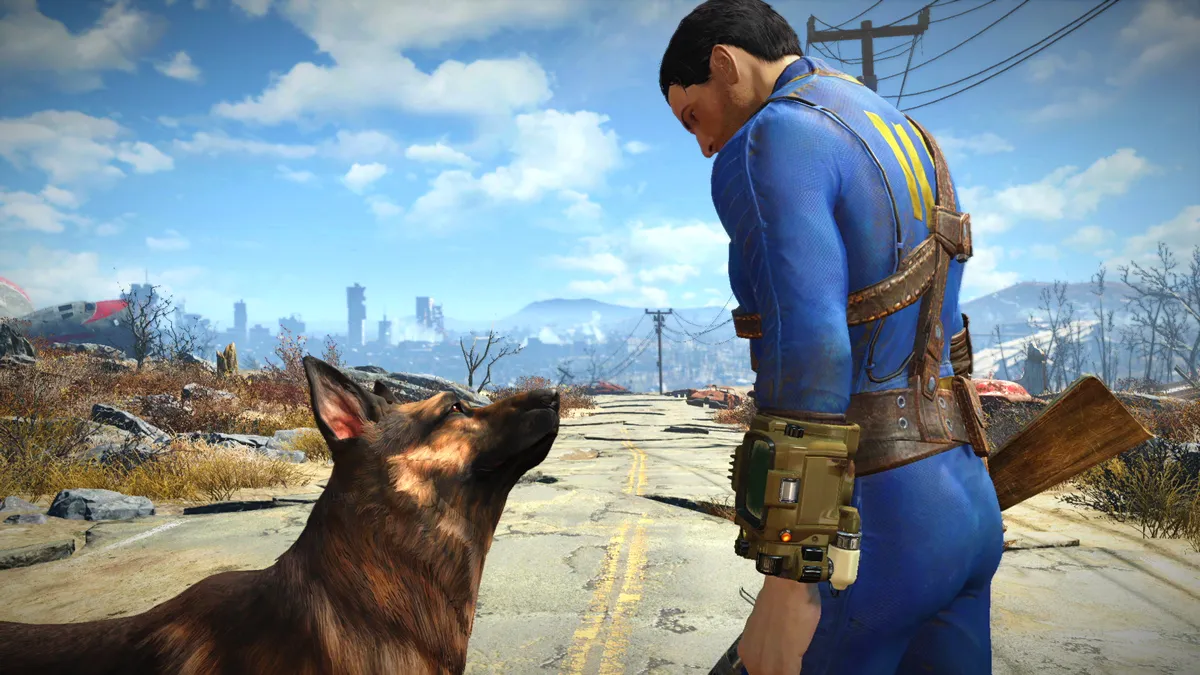
Fallout 4 is a great RPG, but it took 10 years and a radioactive lighthouse for me to see it
First, it's important to identify the throughlines of the games that Howard compares The Elder Scrolls 6 to. They aren't immediately obvious: Fallout 3's DNA is at times unrecognizable in Fallout 4, for example, and Skyrim iterates heavily upon Oblivion's nitty-gritty RPG systems.
Still, they all share certain commonalities. Zoom out, and you can see an increasing prioritization of depth and color over sprawl. Skyrim did away with the cookie-cutter templates used for many of Oblivion's dungeons, instead focusing on hand-crafted interiors while rewarding curiosity with self-contained quests and unique rewards like Words of Power.
Even as a die-hard Cyrodiil tourist, wandering off the beaten path in Skyrim is undeniably more rewarding. By untangling itself from the centralized 'go there, do that' quest design of Oblivion and being less reliant on level-gating for its quests, you interact with the world less as a series of interlocking game systems and more as living, breathing place. Fallout 4 took this approach a step further, with settlement-building adding an extra layer of authorship (and purpose for hoovering up junk).
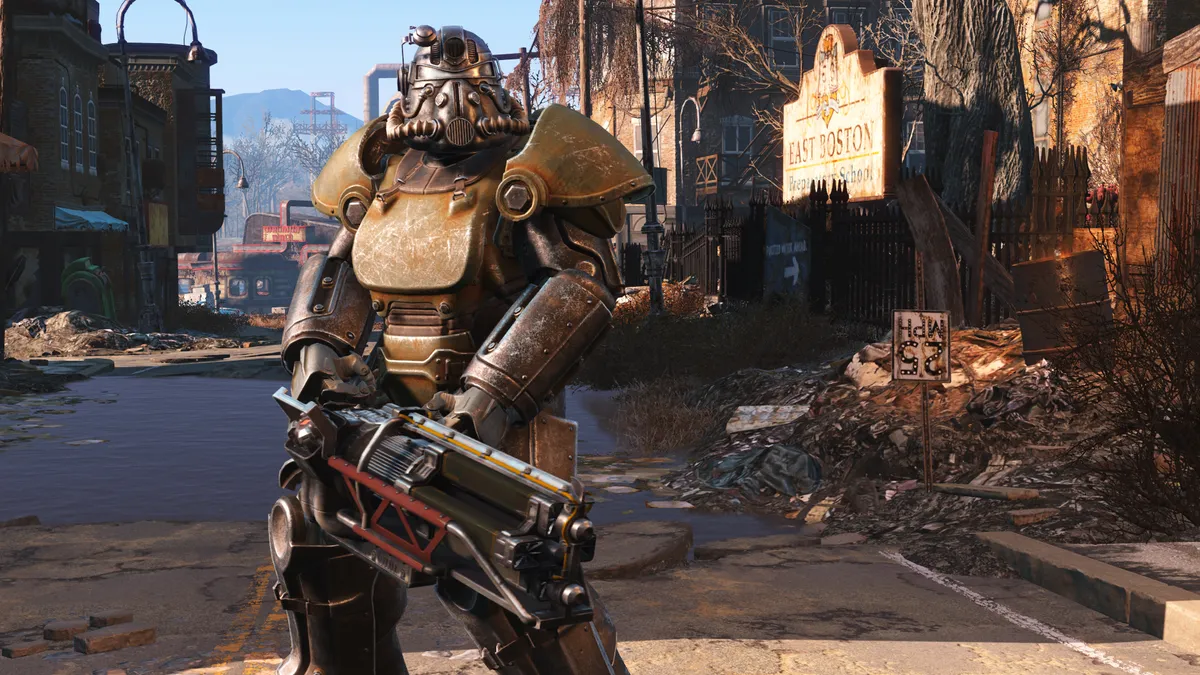
But you can also see Bethesda drifting away from its worlds being narrative-driven. Fallout 4 isn't as focused on guiding the player through Massachusetts via quests – as was the case in Fallout 3, Oblivion, and Skyrim – and instead is more system-driven, encouraging more emergent discovery through the need to scavenge for building materials.
Yet while Fallout 4 had the substance to support that looser framework, Starfield experimented with it further and (in my opinion) was a little too freewheeling – a broader world to ogle at, yes, but few meaningful reasons to engage with it.
Something new
We're coming back to that classic style that we've missed, that we know really well.
Todd Howard
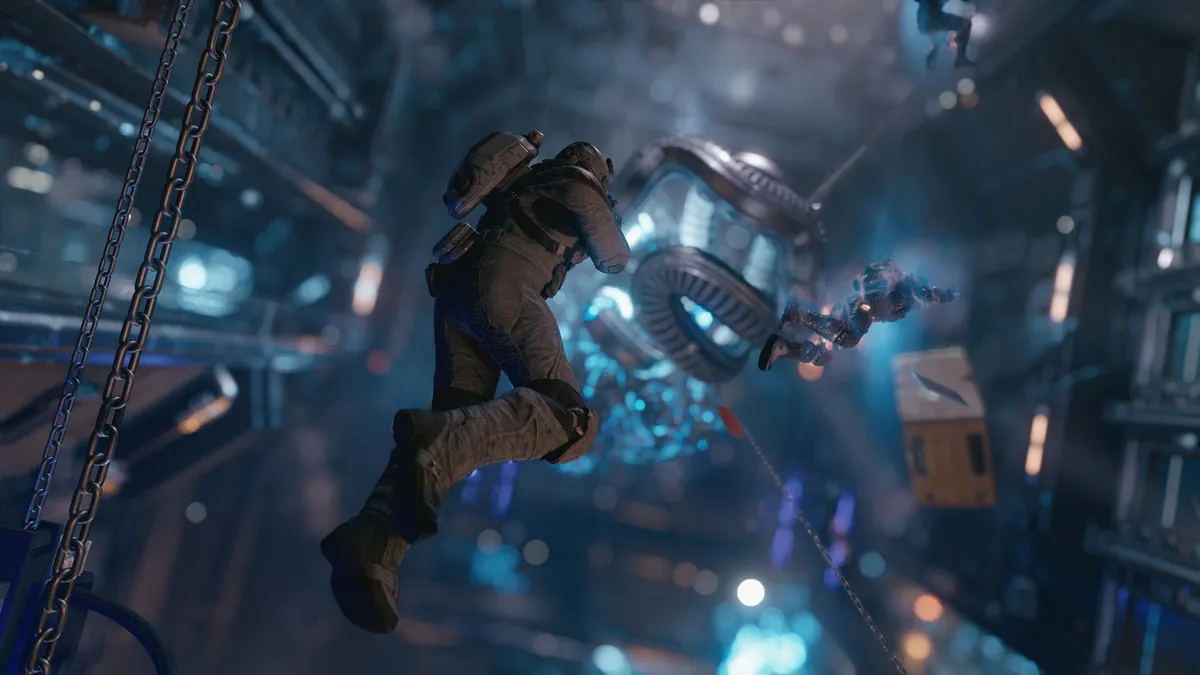
Starfield was a "creative detour" not because of its sci-fi setting, but because it strayed furthest from Bethesda's traditional story-driven curation of its worlds.
To that end, The Elder Scrolls 6 returning to the studio's "classic style" should look a lot like Skyrim: learning from Fallout 4 in particular to achieve greater depth and substance in its world, without forgoing the storytelling chops that past Elder Scrolls games so memorable.
Given the mixed reception to Starfield and Fallout 76, there's a chance that Howard's merely offering lip service to placate miffed fans. After all, there's a lot riding on The Elder Scrolls 6, which is arguably the only game as anticipated as Grand Theft Auto 6, and saying the right things is easier than doing them.
Actions certainly speak louder than words, but Bethesda has so far avoided releasing an RPG that feels derivative to its own history; instead taking more risks than most peers of its size. This makes it difficult to set expectations for The Elder Scrolls 6 – but there, within that unpredictability, lies the purest vein of Bethesda's style.
Here's a reminder of all the upcoming Bethesda games we know to be in production.

You must confirm your public display name before commenting
Please logout and then login again, you will then be prompted to enter your display name.