
"Now we're through the fire, on the other side, I can say it's been part of the fun," says Exodus narrative director Drew Karpyshyn when I ask how on Earth the sci-fi RPG is pulling the threads of its story together. The RPG veteran - a BioWare legend with credits across Baldur's Gate, Star Wars: Knights of the Old Republic, Jade Empire, and Mass Effect - might be tackling his greatest storytelling challenge yet thanks to the timey-wimey nature of Exodus' central narrative conceit: Time Dilation.
Enshrined in popular culture by Interstellar, Time Dilation is a phenomenon by which the effects of extreme velocity or gravity cause the passage of time to be experienced differently by different people. In Exodus, as protagonist Jun goes jetting off across vast distances in an attempt to save his people, he might only feel he's been gone a few days, but months, years, or even decades might pass for those he leaves behind. The result is that the impact of players' choices will be felt on a massive scale, which presents a unique challenge for Exodus developers Archetype Entertainment.
Timey-wimey

Big in 2026 spotlights the 50 most anticipated games of the year, with exclusive developer access and deep dives. Join us daily for new previews, and visit the Big in 2026 coverage hub to stay on top of it all!
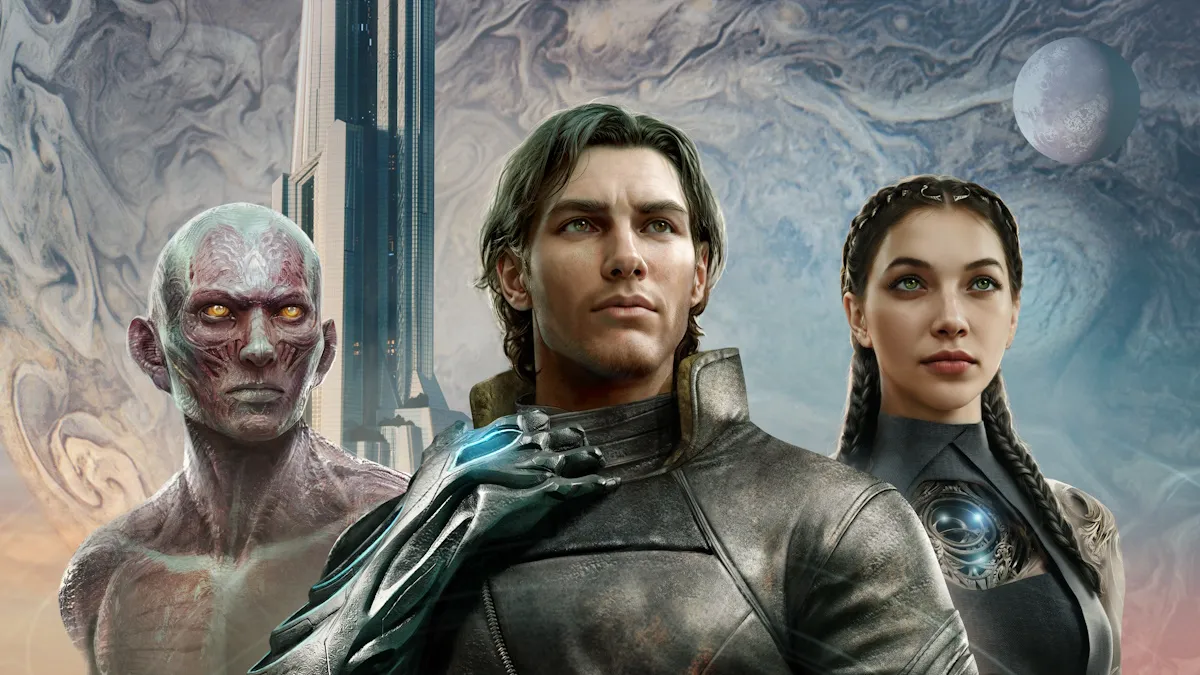
Exodus does not seem shy about its inspirations. In its Game Awards trailer, the dulcet tones of Matthew McConaughey evoke Interstellar, and the third-person action and spaceship filled with a crew of well-meaning misfits made its position as a spiritual successor to Mass Effect clear. Archetype is yet to reveal too much about those companions, but you'll choose to take a couple of them on each mission you go on. Studio co-founder Chad Robertson says that each of those characters will be "geared around different things we think players would enjoy doing." Some will be stealth experts, others far more willing to bust down doors and let their weapons do the talking.
Your choice of companion, however, will have consequences beyond how you handle a given mission. "Sometimes you have to make tough choices," Karpyshyn explains, when it comes to putting your team together. "The people left behind when you go on a mission are affected by Time Dilation." A few days might pass for you, but the resulting decades that might pass at home can make for "sometimes heartbreaking, sometimes terrifying" results.

If it's a daunting prospect for the devs, that level of choice is also hard to wrap your head around as a player. But for Robertson, it's not about "giving choice for choice's sake." Instead, he says, the team is "trying to give water cooler moments. If we're all playing the same game and we come in the next day and we talk about it, we're like 'holy shit, you had that happen to you? I did this other thing and it played out completely differently!'" The desire at Archetype is that the player is a "co-author of the experience."
That's not to say that Exodus is anything but a curated experience. Bringing an RPG of this scope to life across such a significant time period is basically unprecedented, but Archetype is striving to make sure the game's core ideas ring true across the entire experience. Game director Chris King says side content is important, but that the team is desperate to ensure side quests and companion stories aren't simply a matter of "padding" the game's time-investment with shallower content.

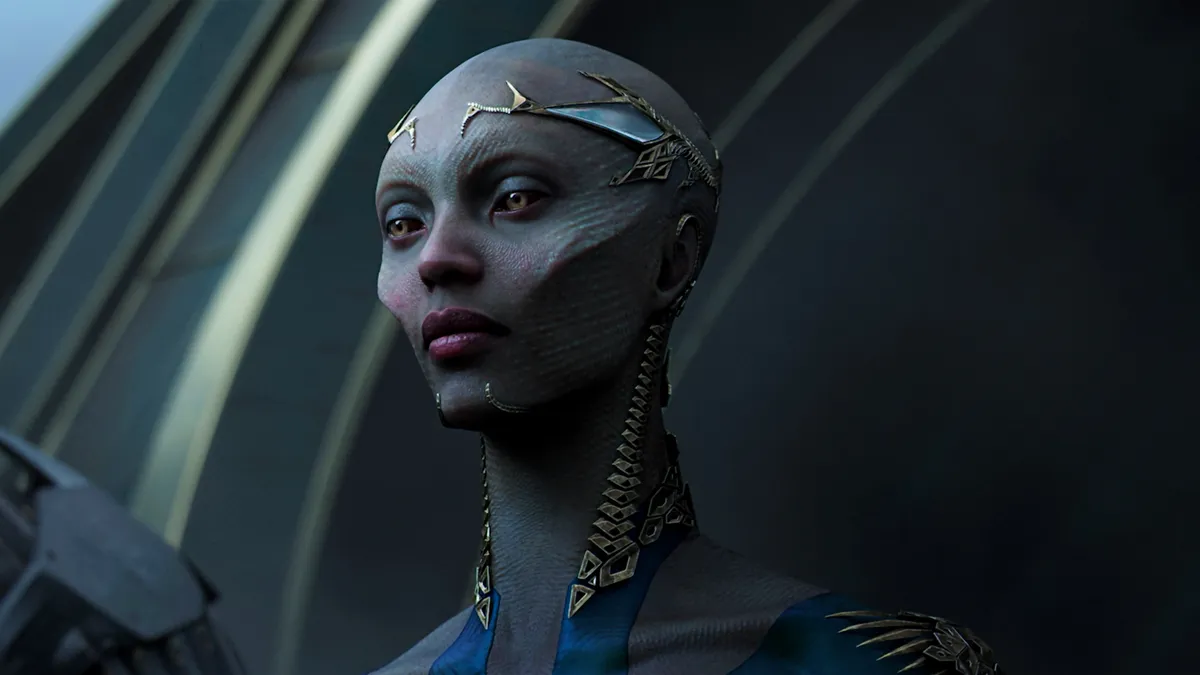
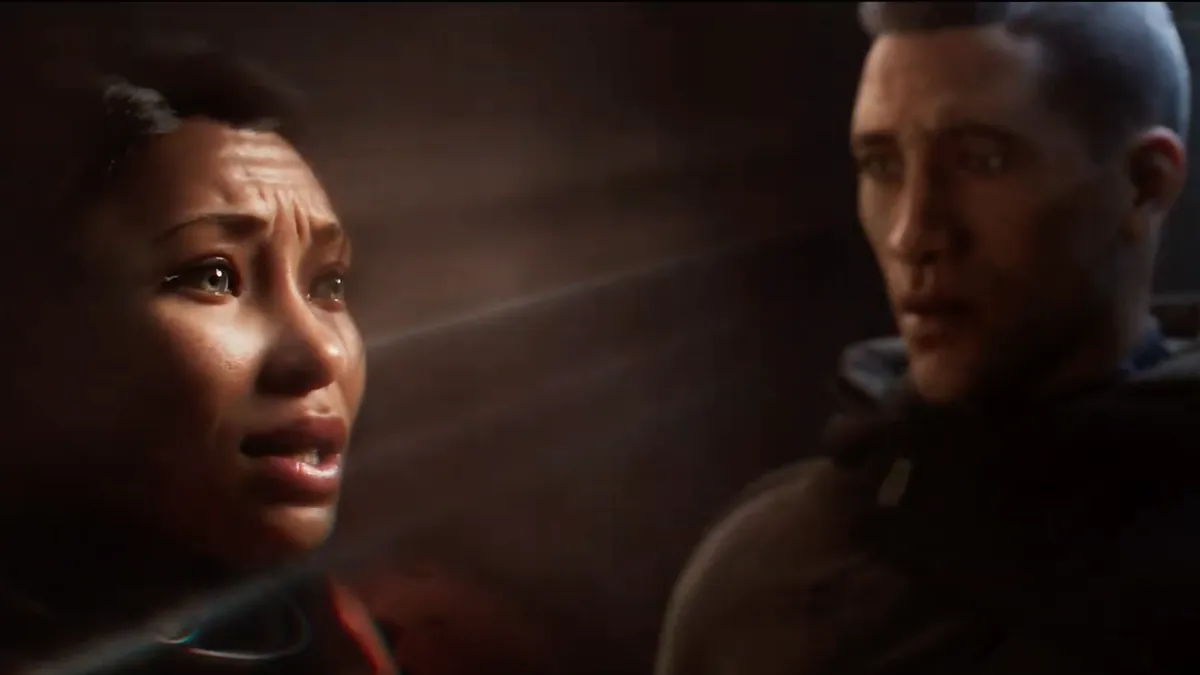
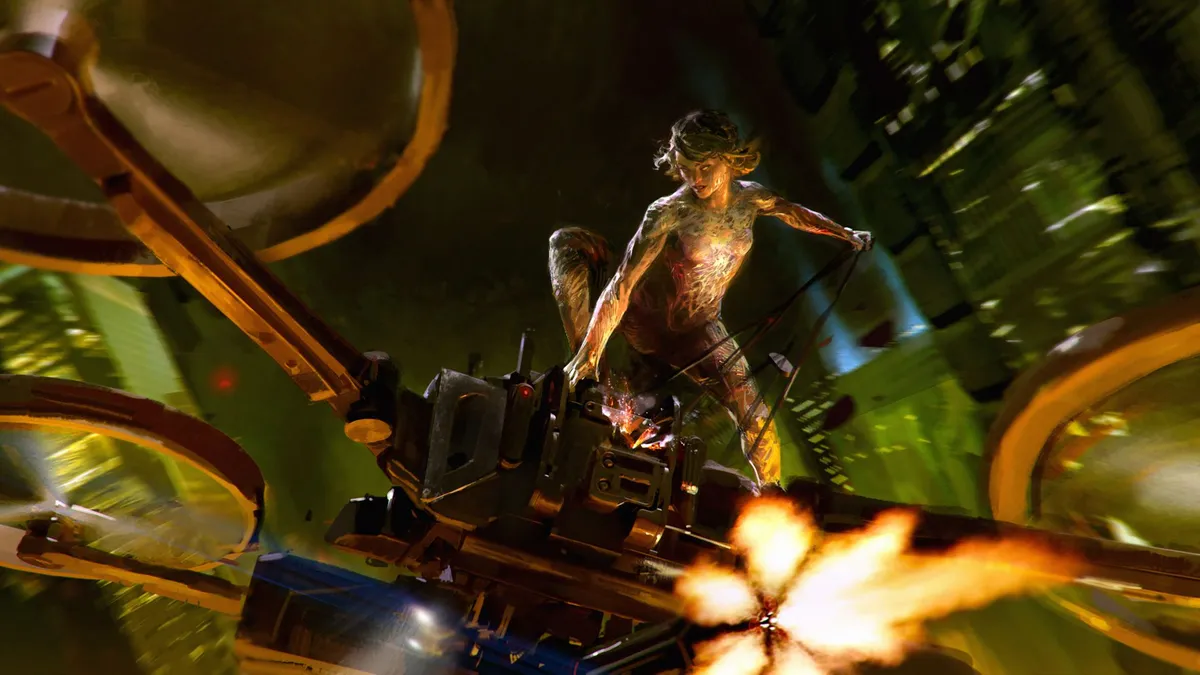
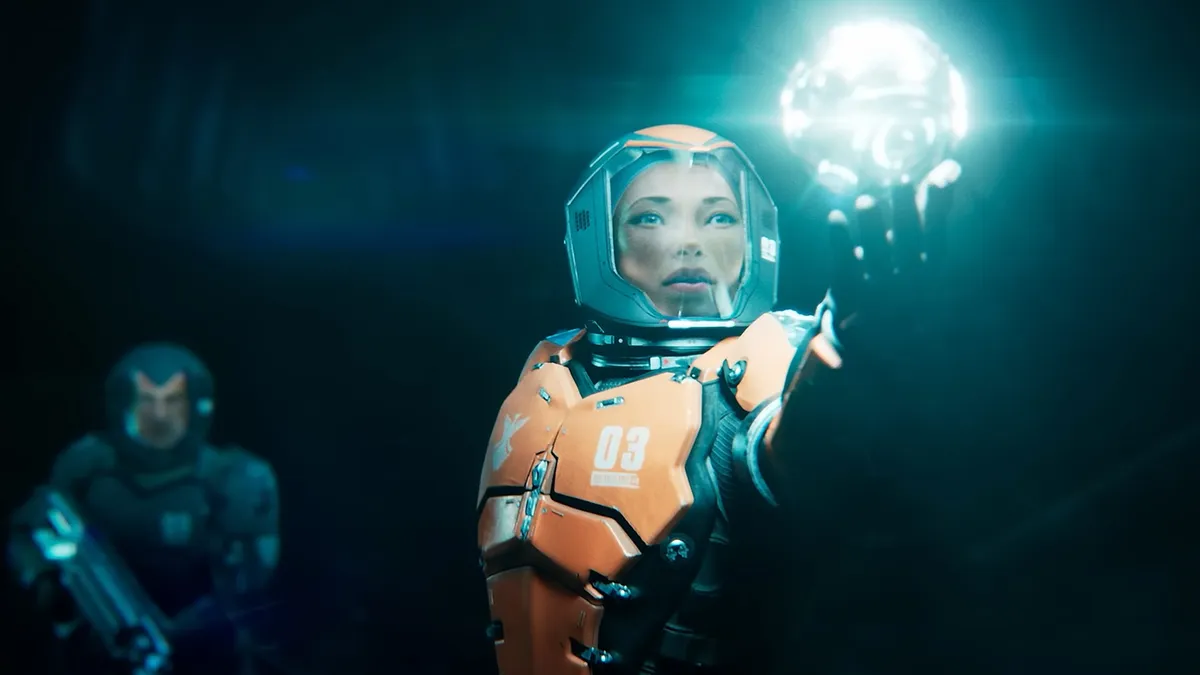
"We don't want things to feel tacked-on," Karpyshyn explains. "We definitely don't want [you] to feel like you're doing it because you're obligated," or you just need the experience points. "We want side quests to be something you would do even if you weren't getting a reward. You're going to get rewards of course, but we want you to feel like 'this is something I'm interested in, this is something I want to explore'." The result is that side content should always feel "tied to the themes of our game, tied to the companions you have, tied into the interesting aspects of our game that maybe don't get explored as much on the critical path."
Finding that balance between core story and elective content has been another of the larger challenges Archetype has faced. Still not due out until early 2027, Exodus is already a sprawling franchise made up of short stories, a full-length novel, and a TTRPG. Faced with the reality of distilling an entire universe into a single game, Karpyshyn says that finding somewhere to focus isn't always easy: "You take a couple of core themes that you want to explore, and then you have to gauge reaction of the rest of the team and people as they experience the IP." The game devs are learning from the reaction to the Exodus books, "and you just expand and build it out."
The desire for more Exodus is clear within the team. "We can't add everything into one game," Karpyshyn says. "The game would be thousands of hours, which sounds great in theory, but isn't realistic." By King's own admission, this game "focuses on a relatively small subset" of its universe, "but hopefully enough that it introduces the universe to players in a way much like Star Wars." In invoking the largest and most sprawling of all sci-fi franchises, perhaps the Exodus team is taking a risk, but sequels, spin-offs, and entirely new formats are all things that Archetype is not only dreaming of, but openly talking about having the chance to make. Whether the studio's Time Dilation gamble pays off is something we'll have to wait to find out, but with Mass Effect 5 still way off in the distance, Exodus feels like it's ready to be the next massive sci-fi RPG.


You must confirm your public display name before commenting
Please logout and then login again, you will then be prompted to enter your display name.


