


Former Dragon Age series producer Mark Darrah says fellow game developers should "absolutely" listen to player feedback, but when it comes to identifying solutions to problems, he says it's best to look elsewhere.
"Of course you should listen to people that are playing your game," Darrah says in a new YouTube video titled 'Why 'Listen to the Community' is Bad Advice'. "Except it's more complicated than it sounds, because people don't talk with one voice, because the loudest voices in your community don't always represent the majority of your players, and because players don't always know exactly what they want."
Immediately upon watching this video, I was reminded of a similar sentiment expressed by Path of Exile co-creator Chris Wilson, who said recently in his own YouTube video that surveying players can yield valuable information about problems, but not necessarily solutions. Darrah seems to agree wholeheartedly, stressing the value of community feedback but warning against letting it guide development.
"So I don't get completely canceled, let's start by saying developers should absolutely listen to their communities," says Darrah. "Players are incredibly valuable sources of information. They tell you when they're frustrated. They tell you where they're frustrated. They tell you what they like, what they don't like. They tell you where they feel like the game is unbalanced, where they feel like they're not getting a fair shake from the multiplayer systems in your game. They tell you where they're getting lost and confused. They also give you a great insight into how they're actually playing the game as opposed to how you wish they were playing the game.
"A lot of times they're going to identify problems way faster than even the best QA team possibly can, because there are so many more of them," adds Darrah. "If you ignore them completely, you're making a game in a vacuum. This is a complete mistake.
"Players are really, really good at identifying problems. What they're a lot less good at is identifying solutions. They're not developers, they're game players. They know they don't like something, but the solution they may come up with may not be the best."
Darrah then lists a number of ways players might identify a pain point but misidentify the problem at its heart. "If they're saying this enemy AI needs to be smarter, it might be that the AI is bad, [or] it might just be that the creatures are dying too fast and the balance is off," he says. "It might be a simple mistake in pathfinding. The feedback that this class is boring or these enemies need to be smarter isn't useless. It's incredibly valuable. It's giving you a window into what they're feeling. You need to understand and pick apart that feedback and understand the problem underneath the solution."
Another issue with listening to player feedback is that it's generally "not a monolith," meaning any given player base is going to have people all across the spectrum from casual to hardcore, from people who play games for the story to math nerds who just want to watch numbers go up.
"Especially if you're a studio that's been around for a while, you've built up a pretty deep relationship with one of those groups, and then a weaker relationship with a couple of others, and there are some groups which you are never talking to at all," says Darrah. "Those hardcore players, they want more math, they want a crunchier system, they want realism, they want complexity, but that's going to potentially make the systems unconsumable by other players."
I've long recognized this as a potential issue with Diablo 4, a game I love dearly but whose online communities and discourse I can't relate with because I don't play the game nearly as much as they do. It very much depends on the season, but it seems like Blizzard allocates a disproportionate amount of development resources to making sure the top commenters on r/Diablo4 are happy, when I reckon those folks make up a tiny portion of the overall player base. That leaves more casual players like me and my wife feeling a little left out of the conversation, although great expansions like Vessel of Hatred and Lord of Hatred compensate for that very periodically.
"You need to remember that your community is a bunch of different groups, and when you are in a conversation that seems to be unified by your community, take a step back and ask, 'Is this actually all of the community, or have we built up a very special relationship with a specific part of the community and we are listening to them to the exclusion of other groups?'" Darrah says.
"Most of your players aren't talking to you at all. Most people buy a game, play the game for a while, maybe really enjoy it, and then finish it and move on. They're not yelling about the game on Reddit, or tweeting about what they want, or engaging with the community, or making YouTube videos. Most people aren't terminally online."
Ultimately, Darrah says the trick is to "get as many different data sources as you can, get the feedback from the community, but do playtesting, put telemetry in, look at what's actually happening with sales of other games to try to figure out what the reality is versus what the community is telling you."
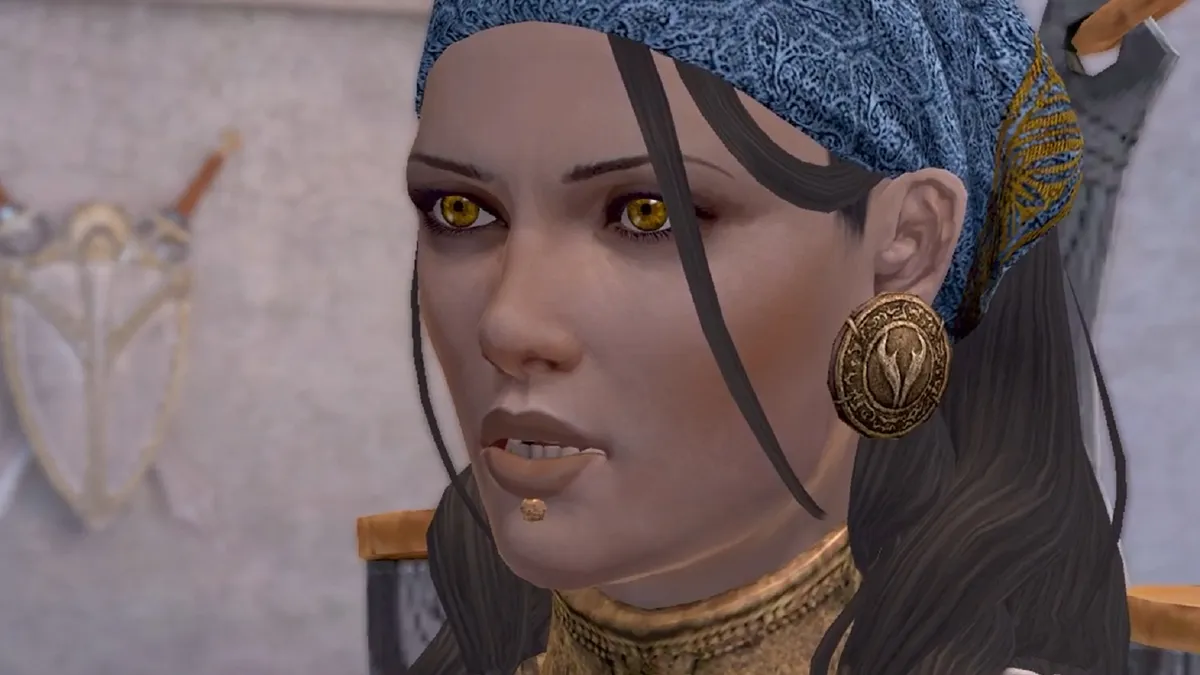
Darrah's final piece of advice for developers navigating community feedback is to "remember your vision." As a creative myself, I've always been intrigued by the fact that games are one of the very few creative mediums where the artist so often takes cues from the consumer and actually changes the art based on feedback.
If a movie or TV show comes out and the viewers don't like that a character dies, the director doesn't go back and make them survive. As much as Game of Thrones fans protested over the disastrous eighth season, it remains streaming on HBO Max exactly as it first premiered (trust me, I've had the displeasure of re-watching it). Of course, games, especially online multiplayer games, are a whole different beast with continual updates, limited-time modes, seasons, and the like, but the principle remains: should developers be twisting their visions to suit the desires of gamers? Darrah says no.
"If you get the best suggestion form your community but it violates the vision of your game, it's not actually the best suggestion. Not every suggestion is going to line up with what the game is trying to be, and that's OK. And there will be more games for those players to experience, and they may get that feature in a game in the future."

