Join The Community





Star Wars: Galactic Racer seems hell-bent on reproducing the carnage that defined a certain era of arcade racing. It's difficult to look at what developer Fuse Games is putting forward here without feeling a tingle of nostalgia for the Burnout, Extreme-G, Need for Speed, and WipeOut games that were so prevalent during the GameCube and PS3 generations. "We were playing these games when we were growing up, so of course we are inspired by them," says Craig Derrick, executive producer at Lucasfilm. "But Star Wars: Galactic Racer is built for today. It's contemporary and it's evolved."
Fuse certainly knows how to make arcade-racing games of a certain style, the studio founded by former Criterion Games veterans in 2023 to deliver a new era of AAA blockbuster spectacle. "We have certain sensibilities that we bring to every arcade racing game; thrilling action and vehicle destruction," says creative director Kieran Crimmins. "But we know that we need to push the boundaries forward for the genre. We need to innovate, and give players something new."

A New Hope
Star Wars and Racing go together like Lightsabers and Kyber Crystals, but there's been precious few examples of the fusion in video games. There's Star Wars Episode I: Racer (1999) and its sequel, Racer Revenge (2002), as well as the Mario Kart-styled Super Bombad Racing (2001). This leaves plenty of space for Fuse to leave its mark. Star Wars: Galactic Racer draws you into an unsanctioned racing circuit where syndicates sponsor pilots to use Landspeeders, Speederbikes, and Skimspeeders to slam, shunt, and takedown rivals at breakneck speed. Crimmins says: "We're always asking ourselves: What's this great racing experience that I imagine from watching Star Wars, and how do I translate that into play?"
That begins with the type of Repulsorcraft you choose to pilot, each offering unique handling characteristics and requiring distinct racing lines. Speederbikes are all about managing acceleration, breaking heavily into corners and powering out of them with ferocity. While Skimspeeders are all about maintaining momentum, banking through corners and around hazards without breaking your flowstate. "The three primary vehicles are complimentary, but they are also unique. Choosing which one you want to race in, how you customize it, and how you grow your vehicle build towards different races is key. We also have different rivals, hazards, and environments to consider as well," says Derrick.
Basically, there's more to victory in Galactic Racer than accelerating into your opponents. Let's take Lantaana as an example, a volcanic planet which has been newly created for this upcoming Star Wars game. The track weaves around a giant geothermal plant, the racing lines dancing across lava flows and waterways through dense jungle terrain. This design isn't just for aesthetic effect, but rather a way to push for new ideals in the racing space.
"From a racing point of view, if you go into the lava you are going to generate a lot of heat. There's a lot of interesting things you can do with that, particularly with our new boost mechanics. And similarly, if you're going to take the racing line with some of the water on it, there's different things you can do with that too – depending on what vehicle you're in and build of vehicle you have," says Crimmins. "Each vehicle class can help you see each track in a new way. Just as your vehicle can change over time through customization, we also want the tracks to incorporate that ideal as well."
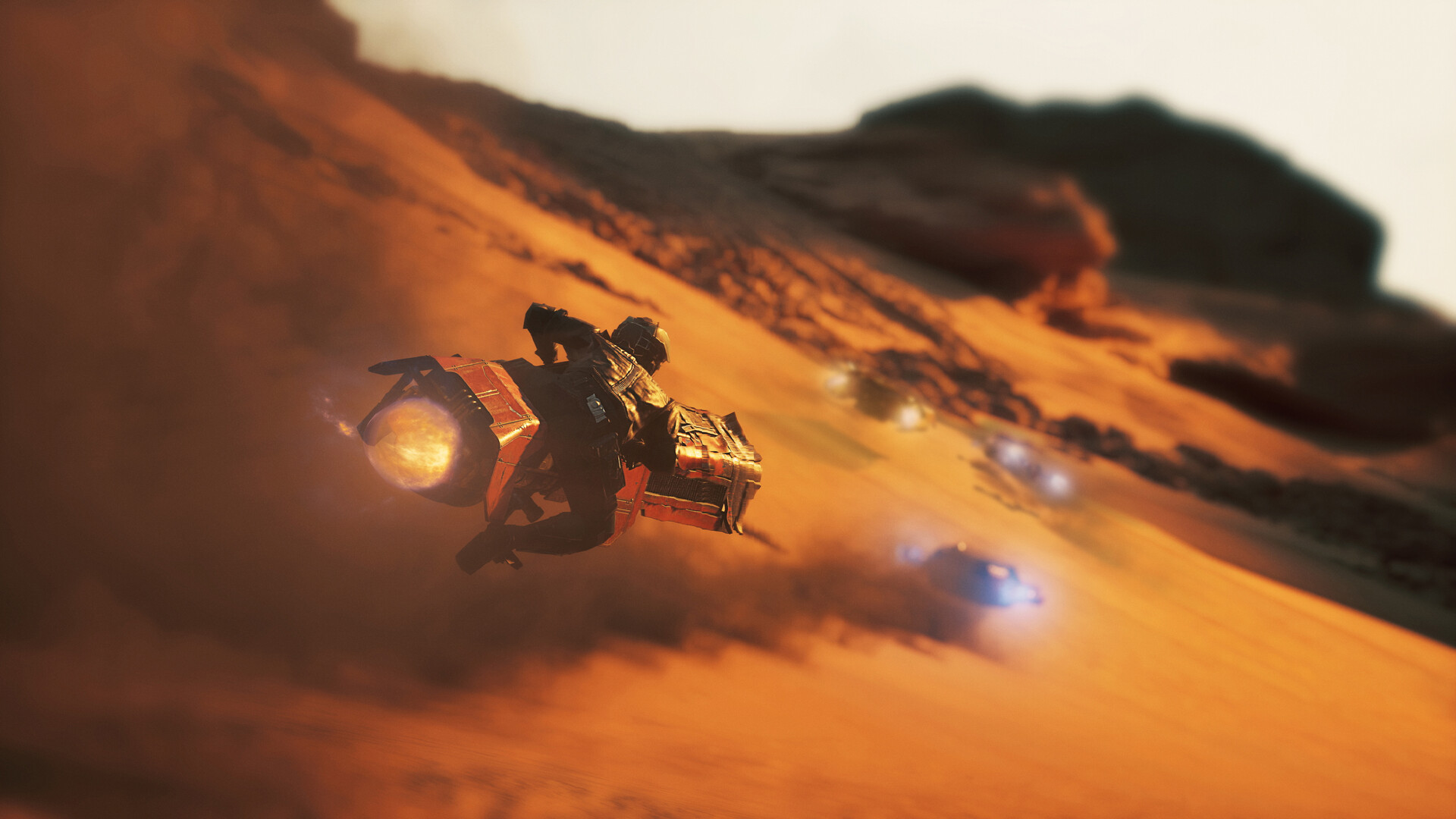
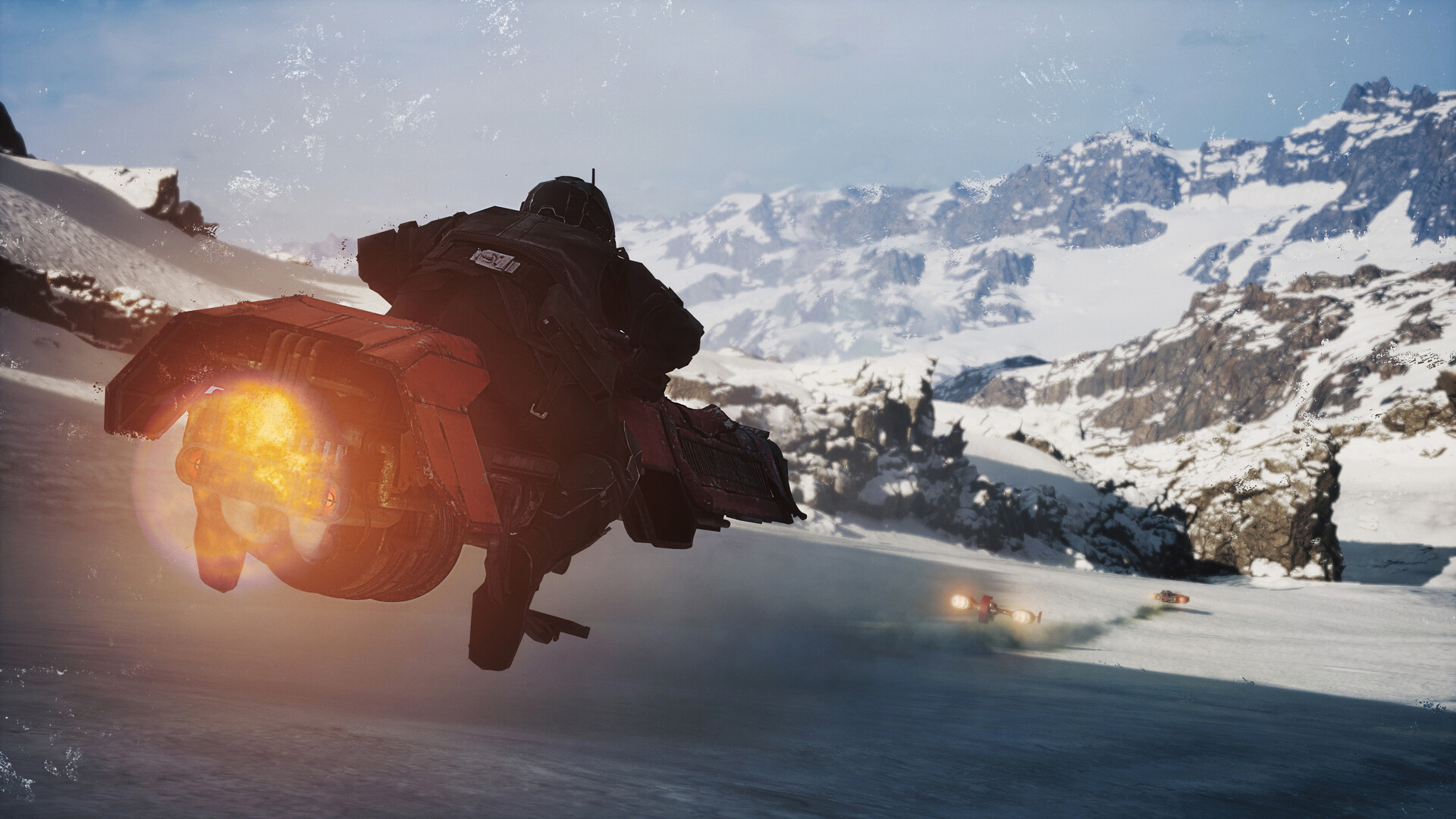
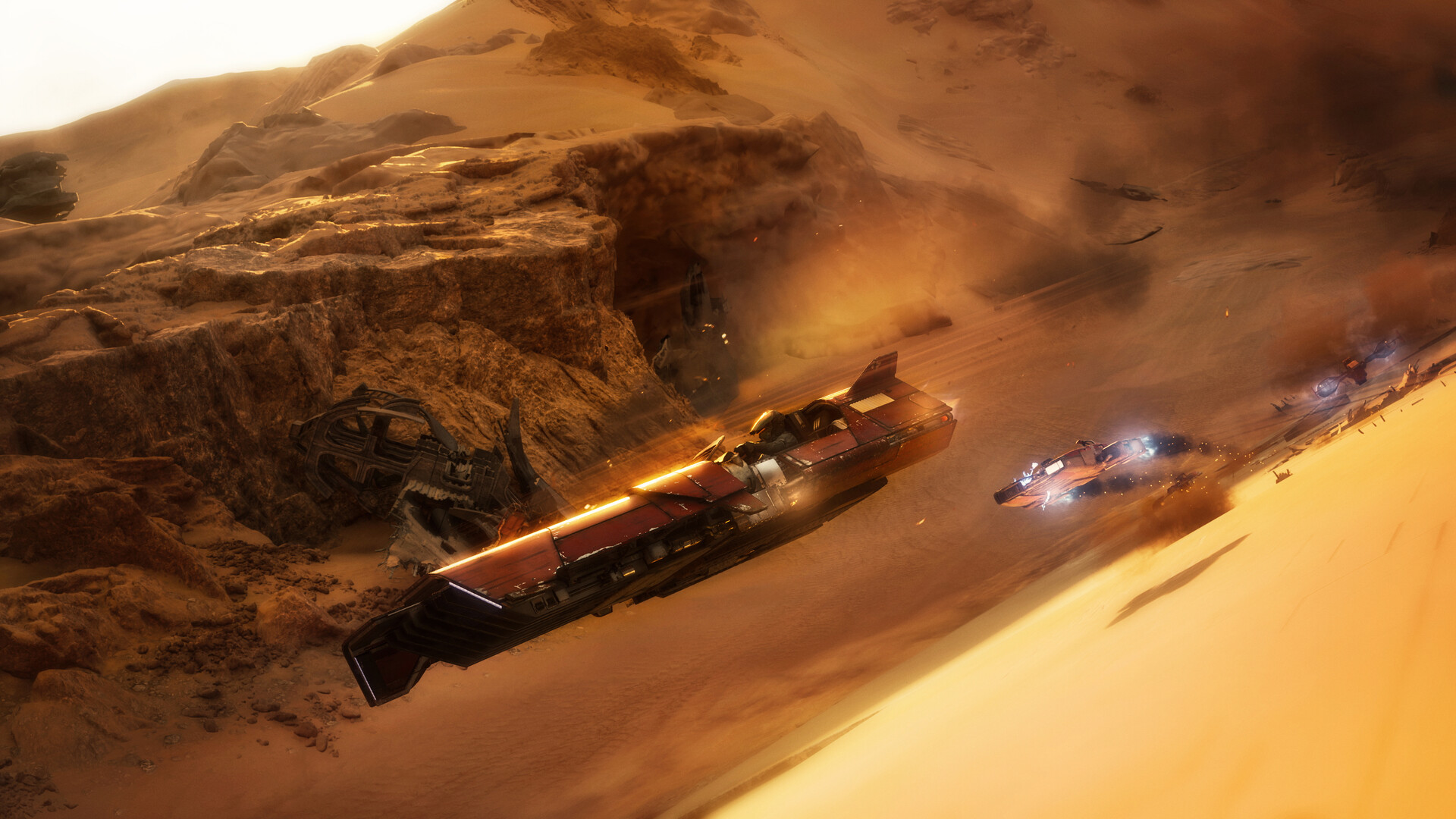
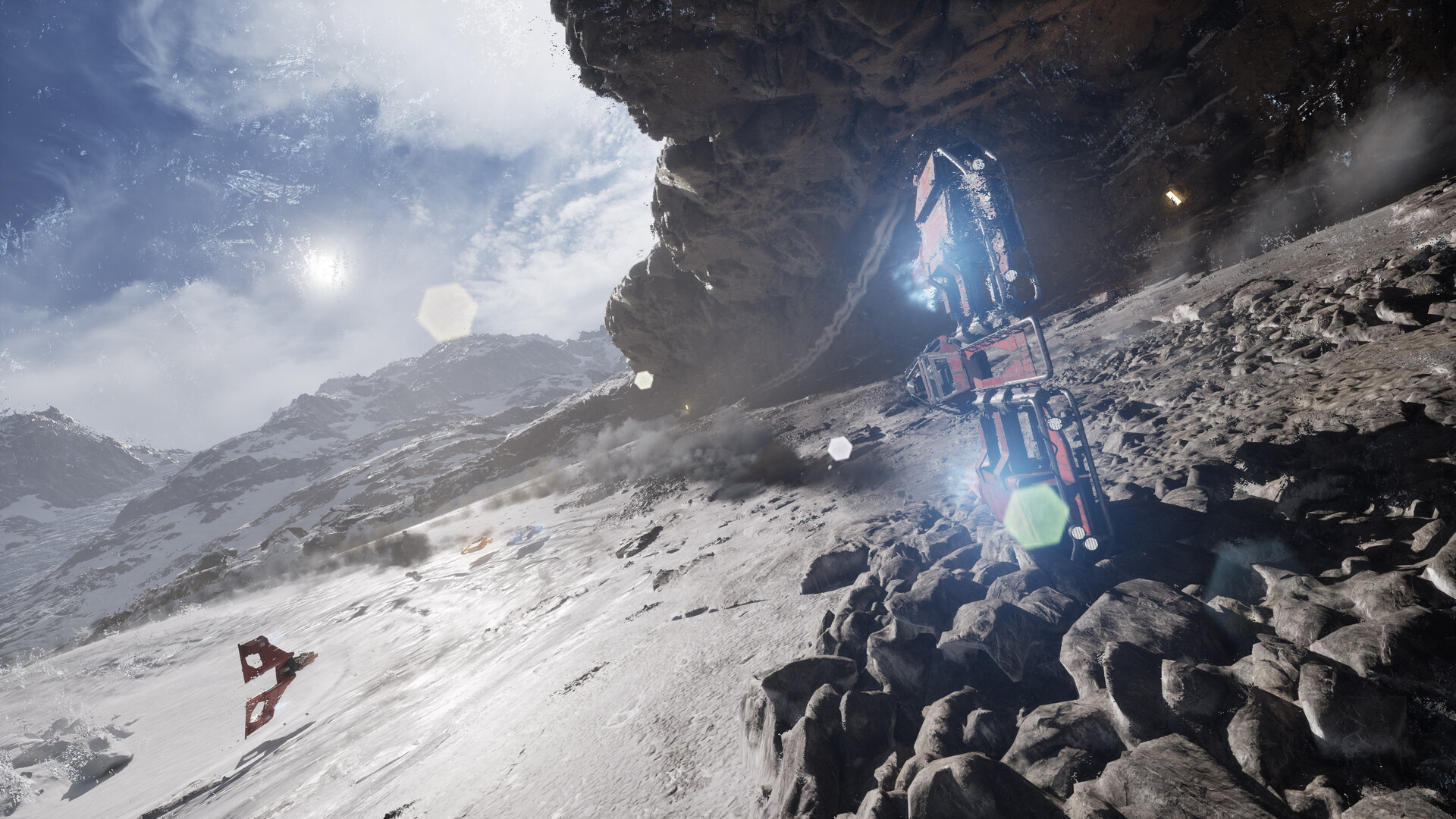
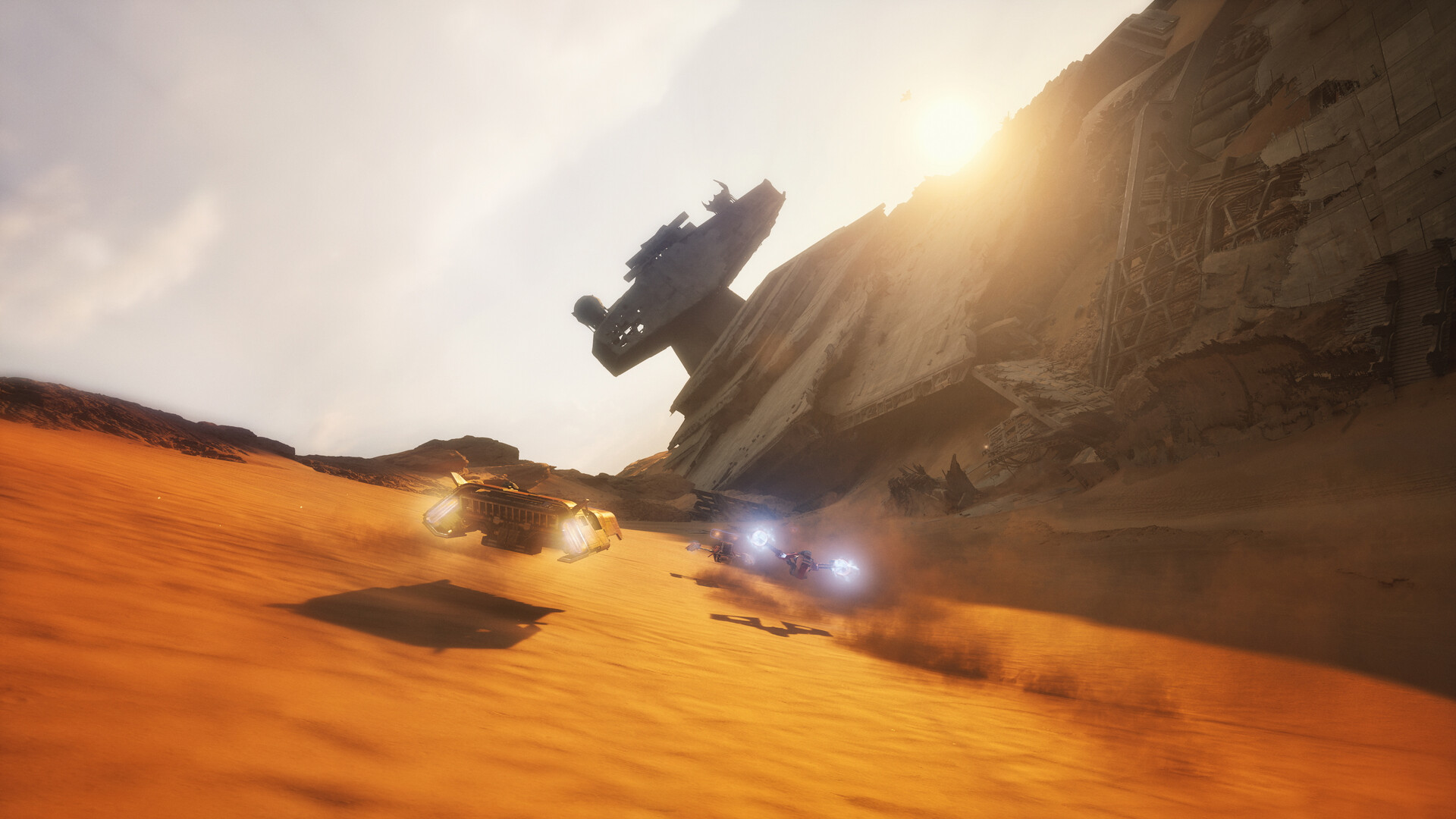
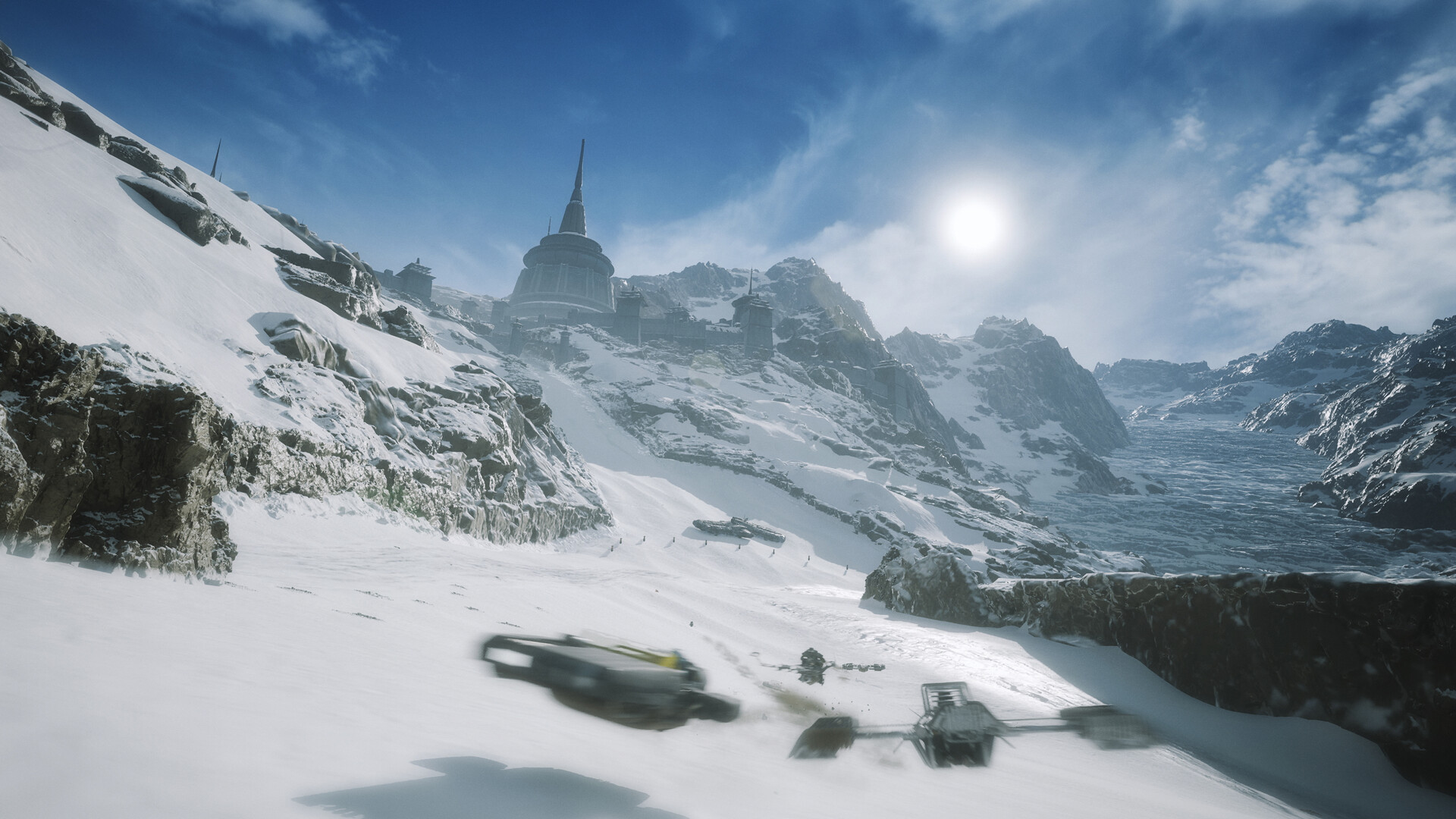
The boost mechanic is another area Fuse is trying to gain an edge. "We all know that boosting is one of the funnest things you can do in a video game, which is why we are introducing a two-stage system," he says. "The first is Afterburner; a pretty standard boost which builds over time. The second is Ramjet; this a whole new mode you can put your vehicle into which is incredibly fast, very visceral, and exactly the sort of thing you would expect from us as game makers and from a Star Wars experience."
With the speed offered by the Ramjet boost, your engine is going to generate a lot of heat – "too much, and you're going to explode," Crimmins teases, pointing back to how the Lantaana track offers ways to both heat and cool your engine throughout the race beyond braking and accelerating. "There's a tactical layer here that's about managing your heat to be able to Ramjet for as long as possible, which adds a richness to both the environments and your vehicle build."
It's here where we start to see how Star Wars: Galactic Racer can set itself apart from the competition. With three distinct vehicle classes, two boost systems, and environmental factors woven throughout the tapestry, Crimmins promises that "all these combinations add a richness to the experience." He continues: "All of the vehicles have their own racing line, but then you've also got tactical decisions to make at every moment, ensuring that you get to experience something that's new and interesting every time you play."

You must confirm your public display name before commenting
Please logout and then login again, you will then be prompted to enter your display name.