


As fanmade recompilations and PC ports of classic games become more and more prominent, so have AI-driven projects built largely through vibe coding. Many prominent members of these development communities have taken strong anti-AI stances, and that includes the devs behind Zelda 64: Recompiled and Banjo: Recompiled. Those devs are particularly perturbed by a new recompilation of Banjo-Tooie that builds on their work with extensive AI coding.
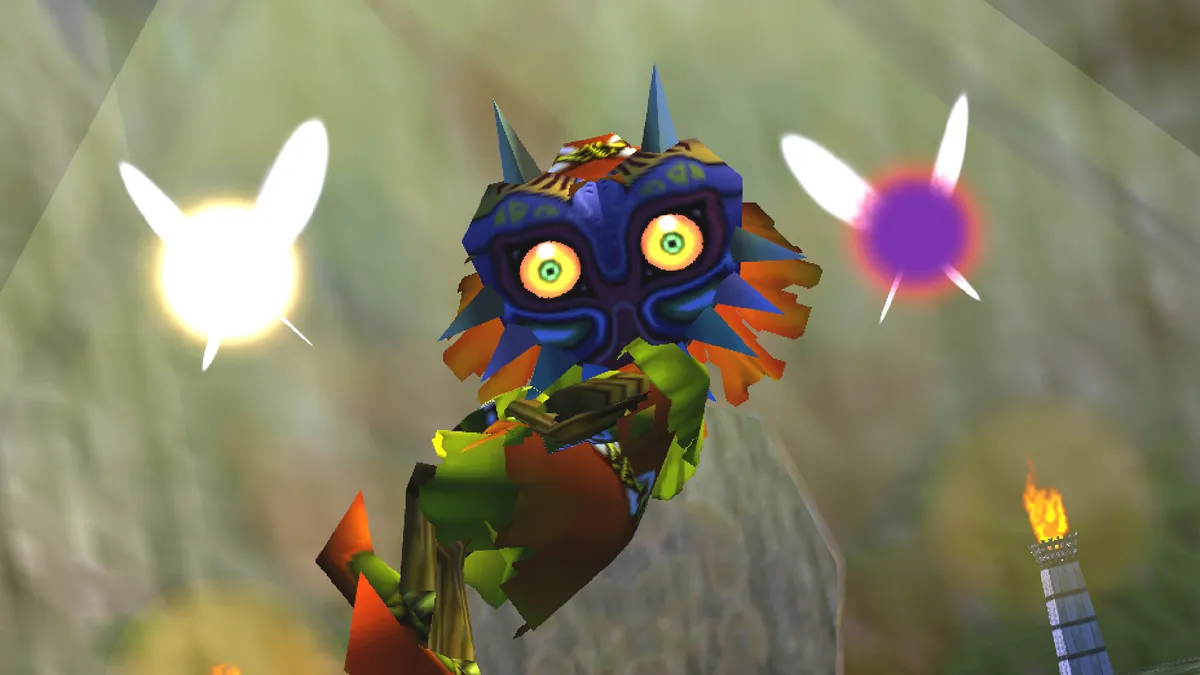
Two years ago, a tool called N64: Recompiled debuted with a promise to dramatically simplify the process of creating PC ports of classic Nintendo 64 games. It debuted alongside a 60fps port of The Legend of Zelda: Majora's Mask that showed what the tool was capable of, and a similar port of Banjo-Kazooie debuted earlier this year, impressing even the original creator of the series.
You might imagine, then, that a recompilation of Banjo-Tooie – Rare's overstuffed but nonetheless fantastic platformer sequel – building on the same tool would be treated with some enthusiasm. But the creator of this Banjo-Tooie recompilation says "AI tools generated substantial portions of this project's code and assisted with engineering and review."
That goes quite directly against the wishes of the devs behind the original N64: Recompiled project. "The Banjo-Tooie Recompilation is NOT associated with us," developer Dario says on Bluesky (via FRVR). "It is entirely AI-generated. Both Zelda: Recompiled and Banjo: Recompiled have very clear No AI stances. We have not, do not and will not use AI to ever work on these projects."
Dario is particularly aggrieved because the N64: Recompiled team had already announced their intentions to do a Tooie port. "We've already made it public for quite a long time we're interested in doing Tooie at some point. The game requires a lot of love and care to do a proper port," Dario says.
"We're not interested in engaging a race to the bottom and will take the time that is necessary to deliver a polished version of the game. Using the extensive amount of human research we've done for the framework, the renderer and the games themselves and throwing AI at it is just disrespectful."
Another developer who goes by Reonu_ is even more direct in a Reddit comment. "Using AI to rush out a broken 'alpha' of a port of a game Wiseguy and the rest of our team had already mentioned we were going to do using the tooling and runtime our team made and the decomp Wiseguy made sure is something else," Reonu_ says. "AI bros are definitely not beating the 'lacking basic respect and common sense' allegations."
These kinds of concerns have been building over recent months. Back in July, the devs behind Donkey Kong 64: Recompiled openly rejected "AI vibe coding" as they promised a port of "actually good quality before our competitor releases their poorly made one." The issue with AI-coded recompilations isn't just that they're usually poor in quality – they can also draw attention away from ports built by humans who have poured a lot more care into their development.
There are programmers who swear by AI as a tool to assist with coding – you can apparently even count Valve's Gabe Newell in that pro-AI camp – but vibe coding has also drawn immense criticism from many developers, particularly in the community around these sorts of fan projects. The biggest AI proponents would have you believe it'll democratize coding, allowing even inexperienced programmers to build their dream projects.
But you might get a more realistic perspective from someone like the devs behind RPCS3, a PS3 emulator which does accept AI-assisted code contributions, but demands that contributors actually understand the code they're submitting. Earlier this year, they started begging would-be contributors to "stop submitting AI slop code," and instead "learn how to debug, code, and leave behind something useful to humanity when you're gone."

