
Hard to believe that it's been over 40 years since Pong ushered in the age of interactive digital entertainment. And wow, have those years been productive. With literally tens of thousands of options out there, how's a gamer reasonably expected to figure out which are the best games ever, and which are still worth playing? Don't worry, we've got you covered.
First, some ground rules. Our list ranks the best games to play today, and that's also why we refresh this list every year. Games like GoldenEye might be historically important, but they’re not necessarily what we’d pick up and play right now. Also, for franchises with several outstanding entries (we're looking at you, Mario), we've selected only the best entry, while also drawing a distinction between 2D and 3D permutations.
Now that that’s out of the way, enjoy the list, and be sure to share your thoughts in the comments!
NFL Blitz ditched almost all of the rules and regulations of American football, and instead focused on what matters most: throwing a ball and hitting people. The over-the-top sports action dominated arcades and living rooms all over the US for the late ‘90s, entertaining millions with late hits, fiery offense (literally), and some of the most ridiculous plays the gridiron ever saw.
There have been deeper and more rewarding sports games over the last 30 years, and there have been more violent ones, but none were as joyfully pick-up-and-play as the Blitz series. And despite a couple of would-be revivals, the 2000 incarnation remains the best of the bunch.
Representing: The NFL Blitz series
Still worthy of a place on the best games list? After all this time? Absolutely. One of Sega's "big three" of 1995 (Sega Rally, Virtua Cop, and Virtua Fighter 2), this is premiere-grade entertainment. Four tracks, three cars… it's all you need when they're this good. The driving physics are as complex as anything around today--affected by gravity, individual wheels' grip levels, and balance under braking.
The music is as good as it ever was and the arcade gameplay soon switches from aiming for completion to aiming for perfection. Something you'll never achieve, but you'll have so much fun getting close.
At face value, it really doesn’t look like Q? Entertainment changed much with the Vita launch title. Under the hood, however, numerous elements have been reworked and modified, creating what is undoubtedly the best Lumines experience yet.
The inclusion of avatars and new block abilities add just enough complexity to deeply affect the tactics without undermining what makes Lumines fun, and the new soundtrack is likely the best to date, including classics like The Chemical Brothers’ “Hey Boy, Hey Girl,” and Aphex Twin’s “Windowlicker. ” New skins, strong leaderboard support, and wonderfully clean graphics take Lumines from a typical puzzler to an addiction we’re not looking to give up.
Representing: The Lumines series
If every shooter had the style and ideas of the Max Payne series then no-one would ever bemoan the genre’s ubiquitous nature again. Taking film noir as its inspiration and accelerating the tropes of the genre to their absolute limits, both of the first two games are masterpieces of directorial intent. Under the combined weight of bleak noir cityscapes and Max’s doom-laden, just-the-right-side-of-parody monologues, every bullet of every gunfight takes on a heavy dramatic significance.
And that’s without even considering the inherently cinematic nature of those gunfights themselves. With the combined power of bullet-time and John Woo-style shoot-dodging to play with (not to mention dual-wielding and melee upgrades from its predecessor), Max Payne 2’s shootouts are both frantic and balletic, breakneck and controlled. If ever evidence were needed that brutally satisfying shooters need not be strangers to intelligence and emotional heft, then Max Payne 2 is all the proof in the world.
Representing: The Max Payne series
No Star Wars game has captured the feeling of being a badass, lightsaber-wielding Jedi quite like Raven Software's Star Wars: Jedi Outcast. Anyone who's seen the Star Wars movies has wanted to brutalize a squad of Stormtroopers with telepathic force powers and dismembering lightsaber slashes, and Jedi Outcast lets you do just that. Lightsaber duels are some of the most intense confrontations you could have in gaming--whether battling the Reborn in the single player campaign or online players in multiplayer. Enemies take strategy and skill to defeat as you'll have to use multiple saber stances, force abilities, and an arsenal of weapons to your advantage.
Kyle Katarn's return to the ways of the force pits you against the forces of the Imperial Remnant and an army of Dark Jedi led by the fallen Jedi dinosaur Desan. With everything a Star Wars fan could hope for, including epic lightsaber duels, cameo appearances from Lando and Luke Skywalker, and plenty of Bantha fodder to toss around with the force, being a Jedi doesn't get much better than in Jedi Outcast.
Representing: The Star Wars: Dark Forces series
Limbo is a prime example of how much a game can achieve without having to use words, tutorials, a vivid color palette or 3D modeling to garner plenty of attention. This award-winning puzzle platformer is still one of the most memorable experiences on Xbox Live Arcade. Inspired by film noir and silent films, you play as a young boy who wakes up in the middle of a dark forest and all you know is that you must find your sister. You’ll experience some pretty gruesome deaths and mind-bending puzzles as you make your way through this hauntingly beautiful black and white landscape.
Death isn't meaningless however. You'll learn quickly from your missteps and clamber your way through, only to find more sinister traps and more roadblocks. But perseverance pays off, as Limbo is an experience that is unlike any other. If you think about it, how often do you get to see a child (granted, it's the silhouette of a child) get decapitated bear traps or impaled by an enormous spider?
The original Pac-Man and Ms. Pac-Man are such timeless classics thanks to elegantly simple maze chase gameplay that could seemingly never be topped. But the formula was finally taken to the next level for Pac’s 25th anniversary with Pac-Man Championship Edition. Its neon-graphics and pulsing techno soundtrack will draw you in, but its refined, dot-munching gameplay made it truly memorable.
Eating ghosts is as good as ever, but the pace was quickened considerably. Once you clear one half of a map, it’s instantly replaced with a new maze to overcome, and the high pressure fun keeps rising as the clock counts down. We still love the retro originals, but this is the best Pac-Man game out there.
Representing: The Pac-Man series
No Star Wars games better captured the magic of the films than the GameCube launch game Star Wars: Rogue Squadron II: Rogue Leader. The flight controls ignored sims like X-Wing vs. Tie Fighter, instead keeping the action light and fast-paced, which made it easier to enjoy flying an iconic X-Wing around the gorgeously rendered space scenery.
Many of Rogue Leader’s levels were striking recreations of classic film scenes, like the assault on both Death Stars and flying the Millennium Falcon through an asteroid field. Even without the space opera flourishes, the flight combat was so well done that we’d happily shoot down Tie Fighters all day long if that’s all we there was. Seriously, this was the dream game of every kid that ran around with an Y-Wing toy while humming the Star Wars theme.
Representing: The Star Wars: Rogue Squadron series
Known by several names (Tetris Attack, Panel de Pon), Puzzle League’s block-matching action sets itself apart by slowly ratcheted up the pressure as the blocks rose higher and higher. Soon you’re frantically searching for the quickest way to swap the optimal number of blocks to buy a few seconds of relief.
It’s fun enough solo, but you haven’t lived until you’ve done two-player and dropped an immensely satisfying five line garbage block on your opponent. And even though every entry is worth dozens of sleepless nights, Planet Puzzle League gets top slot for taking the series online, a move that makes the number of possible opponents almost limitless.
Representing: The Puzzle League series
The original Tony Hawk had gamers everywhere doing virtual ollies and kickflips. By the second sequel, developer Neversoft had finally nailed exactly what made the series special. Tony Hawk's Pro Skater 3 marked the pinnacle of the Birdman's virtual career, as the manual and revert tricks melded to turn each level into a high-scoring rollercoaster ride. The skating gameplay was far more than ollies and grinds--with the way each level was crafted, players got a sense of discovery similar to a platformer.
Later entries may have been more open, or had flashy new skills, but THPS3 captured the thrill of maxing out your score on a perfect two-minute run. Each makeshift skate park had gaps and grinds you can spend hours exploring, never getting bored. Later entries lost sight of what made the series so special, but you can always return to THPS3 for a reminder of when Tony Hawk ruled the world.
Representing: The Tony Hawk's Pro Skater series
Mobile games are often encumbered by limited inputs--simple taps and swipes on a touch screen work for launching birds or cutting ropes, but they don't often adapt well to "hardcore" concepts. Infinity Blade 2 defies this claim, providing an incredibly strong action game that actually prospers on a touch screen.
Those simple taps and swipes? They represent stabs and slashes with swords, axes, and maces, letting you take down massive enemies in thrilling one-on-one battles. It's essentially an evolution of Punch-Out!!, but with plentiful enemy types, bountiful loot, and roguelike sensibilities that'll make you come back for more time and time again. Forget your bias--Infinity Blade is the real deal, and it demands your attention.
Representing: The Infinity Blade series
And if you want to read about more things we love, check out the Best 360 games and the Best PS3 games.
Don’t dismiss The Sims 3 as full of “dolls”--the word is way too limited to describe the degree of power this series provides for players. Yes, you choose your pet computer people’s wardrobe, but you also customize the architecture of their homes, the layout of their neighborhoods, the politics of their social circles, the DNA of their genetics, and the contents of their hearts.
You can tell them exactly when to flush the toilet, but you can also tell them when to fall in love or when to murder their enemies. You can even relinquish all control of your miniature universe and simply watch life unfold. The Sims is whatever you want The Sims to be, and The Sims 3 is currently the most generous and expansive version of that freedom.
Representing: The Sims series
PC gaming is home to many, many potent addictive options, so Minecraft’s life-crippling level of just-one-more-block cravings alone wouldn’t be enough to land it on this list. What sets Minecraft apart is its scope and sense of unlimited possibility. Created by a tiny development team and set in random, resource-filled worlds, Minecraft forces players to improvise tools, to build and--mostly--to endlessly dig, creating civilization out of wilderness and hiding from monsters until you figure out how to build weapons and defenses.
It can be played casually, but its crafting system is deep enough to reward dedicated players with endlessly evolving, creative gameplay. It’s fun to play alone, but shines when you’re collaborating with others. It’s still relatively new, but definitely entering a new realm of maturity.
After Left 4 Dead, ‘co-op’ finally meant something. The frenetic zombie shooter isn’t about charging in to get the most kills; it’s about sticking together with your group, calling out for help when you’re trapped, and doing whatever it takes to make sure your fellow survivors make it to the next safe room. It’s about teamwork, communication, and remaining calm in the face of absurdity as hordes of zombies and special infected descend upon your group from every direction.
The experience only got better in Left 4 Dead 2. The Scavange, Mutation, and Realism modes gave players more ways to enjoy the game’s multiplayer. New special infected, like the Charger and Spitter, also made Left 4 Dead 2’s Versus mode even more exciting.
Representing: The Left 4 Dead series
There is nothing in gaming more satisfying that setting off a rocket launcher, scoring a direct hit and watching the resulting incendiary devastation spread almost instantly from the screen onto your real-world friend’s rage-contorted face. When said rocket hit has required nigh-scientific planning to accurately land, with said friend forced to powerlessly watch and wait, desperately hoping for the best, the end result is all the more sweet.
That’s Worms in a nutshell. Its 2D, turn-based combat is the ultimate in risk and reward, being simple to pick up but laced with the knowledge that anything less than a perfectly judged, flawlessly executed assault will result in downright disgusting payback once your slighted opponent gets free reign to retaliate. It’s a microcosm of ever-escalating, thoughtful carnage springing from the ever-rich wellspring of friends’ unerring ability to find new and innovative ways to screw each other over.
Representing: The Worms series
Silent Hill 2 has one of the best stories ever put into a game, truly earning its mature status with symbolic monsters and a rumination on the way that guilt can (in this case, literally) eat you alive. And the story is is still beats 99% of the writing in gaming today that it deserves to be on the list for that alone, even as the controls start to show their age.
Haunting music, expert pacing, and the most terrifying nemesis in gaming ensure that Silent Hill 2’s appeal will remain timeless, even if its graphics become increasingly dated along with the combat. Silent Hill 2 also gets bonus points for having one of the best theme songs for any game, ever.
Representing: The Silent Hill series
There are many good driving games around, but remarkably less great racing games. There’s a vast difference between the two, but it’s perhaps one we only truly understood once Race Driver: Grid appeared in 2008.
While technical excellence, gorgeous looks, and a meaty but accessible driving model come as standard with Codemasters racers, Grid brought a sense of reality like no racing game before it. Simply put, you’ll believe that every driver AI in the game is a real person. So strong are their personalities and so immediate and unique their responses to your actions (not to mention their own all-too-human mistakes) that you’ll eventually come to recognise each by their on-track presence as much as by their on-screen names. Grid creates a living, breathing racing ecosystem like no other game in its genre, making every race a battle and every win a very personal victory.
Representing: The TOCA Touring Car series
One of the best action-JRPGs ever? Yes, yes it is. Secret of Mana is an absolute masterpiece, an aural and visual wonder which has something for everyone, whatever their preferred style of role-playing. Immediate, real-time weapon and magic combat is mixed with traditional leveling and a super-slick menu system which adds fathoms of depth without ever slowing down the pace.
It also has one of the most genuinely stunning soundtracks ever to grace a machine famed for its stunning soundtracks, which it uses to bring one of the most vibrantly beautiful of all 16-bit worlds to vivid life. Throw in three-player co-op and a deeply affecting, expansive saga of a plot, and you have an RPG that’s genuinely unmissable.
Representing: The Mana series
The download-only re-release Virtua Fighter 5 Final Showdown was the culmination of years of refinement. While still using the same three-button system from the original Virtua Fighter, the sheer brilliance of its fighting gameplay is why we once called VF5FS the best fighting game of the generation.
Any player can quickly embrace the action with characters like Akira and Pai, but the base depth of control and strategy is far greater than you’d believe possible with so few button inputs. Beautifully animated, silky smooth, and limitlessly challenging, this is one of the best games you’ll ever play with a friend, whether they’re sitting next to you or half the world away.
Representing: The Virtua Fighter series
Mario can make any genre friendly to new players, whether it’s strange number puzzles like Picross or something as seemingly niche as role-playing games. Super Mario RPG was a great introduction to the genre, but the mustachioed hero’s second quest refined the predecessor’s inviting gameplay while wrapping it in the distinctly flat, colorful visuals of its paper world.
Paper Mario light-hearted story and unique graphical style made the overexposed Mushroom Kingdom look new again. Meanwhile, the simplified, quick-paced approach to turn-based combat was welcoming for new players and refreshing for RPG fanboys at the same time. Its sequels might have improved the visuals and added cunning new concepts, but the original struck the type of balance that defines Mario’s all-ages appeal.
Representing: The Mario RPGs
William Gibson's landmark novel Neuromancer dropped in 1984, ushering in a brave new world of cyberpunk fantasy. Arguably the most intriguing riff on the too-cool futuristic hacker motif was was FASA Studios Shadowrun, a tabletop RPG which saw first run in 1989. It's gaming complement of the same name arrived on the SNES in 1993, and drew immediate, and lasting, acclaim.
Shadowrun's genius lies in its mixing of the new with the old, positing a world in which magic reawakens in a technologically savvy society. The result sees a vast swath of humans transforming into all manner of high fantasy races, dragons influencing the doings of nefarious corporate syndicates, and rampant underworld societies where life has very little value.
And if you want to read about more things we love, check out the Best PS2 games of all time and the Best DS games.
It's rare a game makes the player feel any emotion besides excitement. It's even rarer a game makes us cry. Even rarer than that? A game that makes us sob uncontrollably between fits of laughter. To the Moon is such a game, providing an unparalleled, unforgettable experience.
Players assume the role of scientists digging through the memories of an old man to fulfill his dying wish of thinking he went to the moon. Why is he suddenly struck with an urge to travel into space? What happened between him and his wife, River? Why does the scientist keep cracking random video game jokes? Answering any of these would spoil this imaginative, engaging experience. Just take our words for it and play the game… and bring some tissues.
Some games don’t need the excesses of next-gen augmentation. So strong, simple and rewarding is their core gameplay that any garnish acts only as distraction or obstacle. So when we say that Bomberman Live is barely any different from the SNES’ Super Bomberman, we mean that only as the utmost plaudit.
This is a game that understands, appreciates and exalts the purity of its gameplay at every turn. It’s a game content to simply provide the tools for immediate, instantly rewarding fun and then allow human interaction to do the rest. Because that’s what Bomberman is about at heart. It’s a catalyst for friendly rivalries, (brief) alliances, lots of laughing and great deal of shouting. It takes seconds to start, minutes to grasp, and hours to stop. Nothing brings people together like a little friendly detonation.
Representing: The Bomberman series
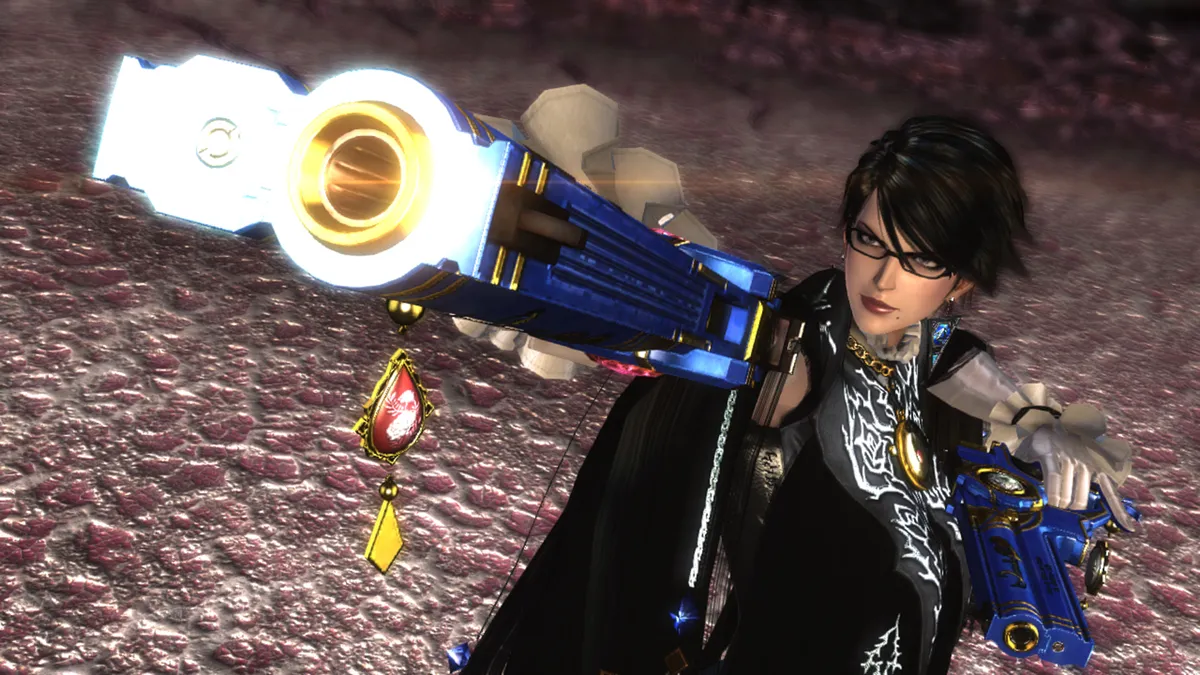
Bayonetta is the best 3D brawler ever made, taking director Hideki Kamiya’s groundwork in Devil May Cry and hammering it with a meat tenderiser to make one of the most malleable, fluid, utterly freeform combat systems in gaming history. Bayonetta is a game with nigh-limitless potential, and one which constantly teases the payer to submerge him or herself yet further into its endless depths.
A new difficulty mode here, a new enemy AI behaviour there, a bounty of unlockable weapons and abilities… Bayonetta is always cueing up the next total game-changer to throw into the mix, long (long, long) after its story’s end. It’s a game that reinvents itself as frequently as its heroine reinvents her state of undress, and in terms of sheer spectacle, visual creativity, and honest-to-goodness likeability, there’s nothing in its genre to touch it. Nothing even close.
On paper, Battlefield Bad Company 2 doesn’t sound like one of the series’ best. A spin-off from the main series, grafting on a single-player campaign and removing the series’ iconic air combat from its trademark multiplayer, on paper it sounds like stripped down, snack-sized hors d’ oeuvre for a proper Battlefield sequel. In practice though, it’s a stormer. While the campaign is decent but unremarkable (though certainly more welcome that Battlefield 3’s tedious, robotic grind), the multiplayer utterly sings.
Every bit as deep and fully-featured as a ‘proper’ Battlefield, its tendency to focus on slightly reduced scale environments brings a tight, intense dynamic that really makes the most of its staggering Destruction 2.0 tech. With close-knit, detailed architectural layouts open to being chipped away with gun fire and explosives (or outright levelled via smart tactical strikes) BFBC2 will provide some of the most heroic, epic, and truly surprising anecdotes of your gaming career.
Representing: The Battlefield series
One of the last great point-and-click-style adventures (along with The Longest Journey), developer Tim Schafer’s fantastic, funny Grim Fandango is as timeless as its two greatest influences: Humphrey Bogart’s classic film Casablanca and the Mexican Day of the Dead festival.
To say it’s unique is an understatement: Grim Fandango is a one-of-a-kind game world filled with one-of-a-kind characters who solve one-of-a-kind puzzles. But it’s got a heart as well. Boil it down and it’s the enduring story of everyday working stiff Manny, a simple man who falls in love with a girl, gets caught up in a corrupt system, and tears a boat in two before shooting the bad guy with a gun that makes him turn into a bed of flowers.
The arcade classic Donkey King is still important, but you’re much better off with the Game Boy reimagining. Though it begins recreating the original four levels, it explodes into 100+ new stages of puzzle-platforming paradise. And both Mario and DK have added a slew of new tricks since the original.
No longer a simple jumper, Mario can pick up items, do back flips, and even climb ropes just like DK Jr. To match that, each level had some new twist that pushed the player’s brain to find the best way to traverse a stage. Super Meat Boy was very inspired by this and is ever so slightly better, but DK didn't just build on its legacy, it eclipsed it.
Representing: The Donkey Kong series
Geometry Wars is a pure game. There’s no story, no evil power to defeat, and no princess to save. It’s just you dodging and shooting psychedelic shapes and doing everything you can just to stay alive a few seconds longer while you chase the almighty high score.
With its mesmerizing visuals and never ending waves of enemies, Geometry Wars (especially Retro Evolved 2) will throw you into mosh pit of cascading colors and crazy shapes, leaving you with nothing but your reflexes to defend yourself with. The “just one more round” effect is strong in this one. Playing just one game of Geometry Wars is like trying to eat a single potato chip when you’re starving.
Representing: The Geometry Wars series
At its core, the StarCraft franchise is about incredibly fine-tuned balance between three asymmetrical sides--but the original game wasn’t what we’d call accessible. That all changed with StarCraft II: Wings of Liberty, which welcomes a new generation of casual RTS fans with open Zergling pincers, while still providing pro gamers with a meticulously structured arena in which to exhibit their fast-fingered skills.
The additions to each of the three unique races were tempered by a healthy appreciation of the classic units, and the constant tweaks to the inner workings ensure that no one strategy can dominate for long. Whether you’re driven by the gripping single-player campaign or the high-stakes pressure of multiplayer ladder matches, StarCraft II delivers excellent extraterrestrial conflict.
Representing: The StarCraft series
Forza 4 is huge. The sheer wealth of content is too much for any one person to comprehend. In fact, the game makes a point of allowing you to sculpt your career however you see fit, because the developers know it’s too much to expect anyone recreationally completing it all.
But if its vastness is commendable, it’s even more impressive in its minutiae. Authentic parts can be tinkered with, allowing you to shave tenths of seconds off otherwise identical laps. Not that you’ll ever drive any one lap the same way twice. The physics engine runs at 320hz, which means the cars’ behaviour is affected by even the slightest undulation in the accurately-contoured recreations of real-world classic raceways. With impeccable force-feedback steering wheel support and even a clutch button (yes, really) for authentic shifting, you won’t find a more realistic sim on any console. Until Forza 5…
Representing: The Forza series
To think that this indie work of art was the product of a single developer is astounding. Cave Story blends so many elements with such mastery: pixel-perfect art, resonant music, classic gameplay, and wondrous exploration. It’s one of the most emblematic games of the Metroidvania sub-genre, since it skillfully blends run-‘n’-gun sidescrolling segments with item-based progression and a ton of cleverly hidden secrets.
The HD revamp takes the free indie game and enhances it in whatever way you choose, giving you the option to play the perfectly preserved original or sprinkle on some remixed music and artwork. Though every game on this list is something you should play before you die, Cave Story+ is worthy of your attention this instant.
And if you want to read about more things we love, check out the Best PSP games and the Best PC games.
Free-to-play games might not be where they are today if League of Legends hadn’t set such a successful example. Riot Games took the framework of Warcraft III’s classic custom DotA map and added dozens of original champion designs, each with their own distinct playstyle and persona. It spurred players who might never have tried a MOBA in their lives to see what all the fuss was about--and once you’ve played a match of LoL with friends, it has you.
The game also rivals StarCraft II as one of the most invigorating spectator eSports, with a myriad of popular team compositions and the ability to turn any bad game around in your favor. Best of all, you can unlock every champion for free--this is the ultimate in no-cost gaming. But we’re so enthralled by its champion-killing, creep-farming fun that we happily spend money on it anyway.
From the moment you load it up, Fallout 2 makes it clear that you're the most important thing in the world. The post-apocalyptic wasteland bends as you explore it, opening up new paths depending on the choices you make, and creating new opportunities specifically catered to your actions.
Developer Black Isle went the extra mile to ensure that the game could be played and beaten almost any way, but there's more to Fallout than simply making choices. The combat, skill, and leveling systems are absolutely brilliant, and offer absurdly strategic gameplay without being too dense to understand. It's funny, too--the series’ black sense of humor is on full display in Fallout 2, with memorable characters and hilarious storylines.
Representing: The Fallout series
On-rails has become almost a negative term these days, but it’s one Star Fox 64 3D wears with pride. Your group of anthropomorphic pilots take on epic, Star Wars-sized battles against massive spacecrafts to decide the fate of the galaxy, and many of the game’s best levels are intergalactic shooting galleries chockfull of exhilarating moments.
The colossal space battles still look great in the 3DS remake, and while the stages might be brief, all are packed with enough secrets and arcadey action that you’ll happily do barrel rolls through them dozens of times. Star Fox has yet to reach the heights of this game in the years since, but the 3DS remake at least reminds us of just how good that franchise can be.
Representing: The Star Fox series
Two words, stylistically spoken: “M-m-m-m-monster kill-kill-kill!” This is the pinnacle of UT’s high-adrenaline action, and its breakneck intensity is fun no matter what year it is. For those lone wolf gunners that prefer shootouts to be up close and personal, there were a bevy of tight, ingeniously designed maps to double-jump your way around. If large-scale, team-based battles are more your thing, UT2k4 has elaborate, sprawling maps with multiple bases and vehicles aplenty. Either way, you’re going to have some of the best multiplayer moments of your life.
The arsenal at your disposal is full of inventive, dual-purpose weapons, and no matter your FPS playstyle, you’re sure to find the one that works for you. Best of all, it’s equally as enthralling to make the final push on a bitterly fought Assault map as it is making an unforgettable thread-the-needle, Instagib-game-winning kill with the Shock Rifle.
Representing: The Unreal series
It’s encouraging to see games like Saints Row: The Third still exist, because they act as ridiculous reminders of just how satisfyingly crazy games can be. Sure, the series started as a GTA clone, but now players go on escort missions with a tiger in the passenger seat, fly transforming motorcycle jets , and jump into a Tron-esque virtual world. By the time you kill zombies for Burt Reynolds, you realize you’re playing the most awesome game ever made.
There are so many ways to have absurdly stupid fun in the hilariously self-aware Saints Row that anything seemed possible, and that’s the type of potential that made us embrace video games in the first place. If you dismissed Saints Row: The Third as immature, you need to get in on the joke immediately.
Representing: The Saints Row series
"What can change the nature of a man?" It's a question that begs to be dealt with in a hamfisted, melodramatic way--a specialty of the games industry. Such is not the way of Planescape: Torment. The world of Planescape, an Advance Dungeons & Dragons setting, is dark and brooding, horrifying in the way of carnivals. Torment's story is intricate, ornate, and timeless. A literary experience when even now a good story in games is hard to find.
Beyond its narrative merits, Torment pushed the RPG genre forward in dramatic ways. Its protagonist, The Nameless One, had a history of infamy and represented a significant departure from the Arthurian tropes RPG heroes had maintained. Further, the game pioneered meaningful decisions, where the player's choices influenced how other characters responded to The Nameless One. Want to forgo violence entirely? That's an option. Those with a philosophical bent owe it to themselves to play this game.
Prince of Persia hadn’t been big since the early PC/Mac days, but PoP got a magnificent update in Prince of Persia: The Sands of Time. The title kept the core mechanics of one heroic prince dodging obstacles in a perilous castle, while simultaneously redefining 3D platforming. Never before had jumping from wall to banister, to lever, to wall been so smooth, fun, and well-balanced.
Each new area was a new puzzle that not only involved quick thinking, but precise movements as well. And the titular Sands of Time encouraged taking risks, as they could undo any unfortunately planned, deathly move. Despite later (lesser) adventures, Sands remains the highest peak the Prince has ever climbed.
Representing: The Prince of Persia series
There have been few more stunningly convincing game worlds this generation than that of Deus Ex: Human Revolution. Flawlessly reinvigorating the universe of the original game after 11 years, it does so within one of the most seamlessly realized, densely nuanced fictional realities seen in any medium for a good few years. Even casual players will be impressed by the powerful story of action, consequence and philosophy augmenting the game’s immensely rewarding and empowering player-driven action.
Those wishing to dip their toes a little deeper will discover a vast sprawl of detailed visual design and affecting writing to heap years’ worth of history and narrative weight upon proceedings. It’s fitting that a game so built around the idea of emergent, improvised solutions achieved through player exploration should provide such a bounty within the very fabric of its world. You’ll find few more powerful combinations of form and function in modern gaming.
Representing: The Deus Ex series
Dead Space 2 straddles the action/horror boundary more successfully than any game since Resident Evil 4. While reactionary reports of its descent into shooterdom are greatly exaggerated, DS2 takes everything that made the first game great and scales it up to create a truly dynamic, cinematic experience. It’s still an aggressively atmospheric, savagely affecting sci-horror nightmare, but this time around Dead Space has a certain sweep, a certain sense of spectacle that makes its classic claustrophobic creep part of a more enriching whole.
In no small part responsible for the improvement are the big leaps forward in storytelling. While adding a voice to a previously silent protagonists can be disastrous, Dead Space 2’s conversion of Isaac from mute observer to active, fully-voiced participant works wonders. Emotionally involving way past simple scares, DS2 is the realization of the complete Dead Space package.
Representing: The Dead Space series
In a world in which most any platform action game is declared hilarious as long as its main character is fuzzy, Psychonauts actually was. The first offering from developer Tim Schafer’s studio Double Fine, Psychonauts’ cast of psychic teenagers, insane mindjobs, and one walking, talking lungfish the size of a Buick consistently spouted dialogue that was surprising, irreverent, and often legitimately funny.
Psychonauts walked as amusingly as it talked, too. Protagonist Raz’s psychic super-powers were unique, and the levels--which existed inside characters’ minds--were quite possibly the most creative ever conceived. A black velvet painting terrorized by a bull, a ’50-era neighborhood whose streets intertwine like an Escher drawing, an entire city of lungfish to whom the player is a Godzilla-sized monster… levels like these made the usual “lava world, ice world, etc” seem as ancient and tired as a 100 year-old narcoleptic.
And if you want to read about more things we love, check out the Best GameCube games of all time and the Best Dreamcast games of all time.
Don’t get us wrong: MvC2 holds a special place in our hearts, but Ultimate Marvel vs. Capcom 3 is the best, nay, ultimate installment in Capcom’s renowned crossover fighting franchise. It managed to take 50 beloved heroes and villains and transform them into wildly diverse fighters, each with their own unique playstyle, before tossing them into a 3v3 fray to determine the fate of two worlds.
With its simplified control scheme and swingy, comeback-centric X Factor power-up, fights are always fast and furious, with pros and newcomers alike getting hyped over the game’s flashy combos and bountiful fan service. And while you might think that Wesker rears his handsome mug a often enough in high-level play to show a major imbalance in the game, but he’s nothing compared to MvC2’s Storm or Sentinel. From the win quotes to the special abilities, great care’s been taken to appease the pickiest of Marvel buffs and Capcom fans. It’s the kind of first-rate fighting game that only happens once a decade.
Representing: The Marvel vs. Capcom series
We can yammer on about Gears of War 2’s campaign being better, the story being more emotionally impactful, and the multiplayer getting (eventually) improved, but we know people can, and will, argue that to death in a billion other online venues.
Nay, Gears of War 2 has a place on this list for almost one reason and one reason alone: Horde Mode. Right around the end of 2008, all systems were going jacked in online, yet shooters had basically been distilled multiplayer shooters to boring deathmatches and shitty variations of capture the flag. But Epic put the co-op back in “cooperation” by truly providing players ample incentive to work together for survival and basically ignore the kill counts that cause players to act selfishly.
Representing: The Gears of War series
After Sonic catapulting onto the gaming scene in 1991, all eyes were on the hog’s first sequel the following year. It didn’t disappoint. Cutting the majority of levels to two acts meant there could be a greater variety of colourful, parallax backgrounds to see on your hour-long dash towards the climactic final boss.
The 16-bit hardware sings as Sonic rolls into a ball, battling inertia with never-bettered physics, and streaming images into your brain faster than it can cope with them. Fortunately, these moments of incredispeed are used sparingly, balanced out with measured and rewarding platforming stretches. But when the game shifts into top speed, the super-slick movement is still utterly gorgeous. Even after the game’s long-beaten, there’s still the prospect of speedruns and no-score runs to keep things fresh. It’s this variety and longevity that has kept Sonic 2 relevant, still filling up countless YouTube channels.
Representing: The 2D Sonic games
We’ve fawned over Okami since its debut, but all that admiration exists for a good reason--it’s the best Zelda clone ever made. From its humble beginning to world-changing end, Okami offers a complete, visually distinct epic that borrows the best aspects of one of the most revered series of all time.
It also brings new ideas to the table, like Amaterasu’s Celestial Brush that allows her to draw over reality with swaths of black ink. These powers could damage enemies, but their true purpose was healing Ammy’s poisoned world; by the time you were done with an area, formerly barren patches of land were filled with lush, blossoming vegetation. It’s this hands-on beautification that made Okami so endearing, making us feel as if we’d actually had a hand in restoring Nippon to life.
Do yourself a favor and play Star Wars: Knights of the Old Republic again (who’ve played it at least once, right?). You’ll be glad you did. The 2003 RPG may not be as shiny as Mass Effect or as gory as Dragon Age, but you’ll find all the hallmarks of a top-notch BioWare RPG.
The story alone is on par with the best Star Wars tales, featuring a great cast of heroes, villains, and a psychotic assassin droid. The element of choice, which enables you to become a light-aligned Jedi or dark Sith, works beautifully. The ending rocks no matter with way you go. Add the also excellent combat system to the mix, and you’ve got the greatest Star Wars game experience ever created. Still need to be convinced? You can force a wookie to kill an adorable Twi’lek.
Representing: The Star Wars Old Republic series
There’s a reason why Guybrush Threepwood sits in the top 10 of our 100 best heroes in video games list. He’s awkward, naive, and utterly clueless when it comes to women, but that’s what made us enjoy The Secret of Monkey Island so much. Every now and then, you could use a lovable, bumbling hero who has to get by with his wits and items that aren’t nailed to the background. We ranked Guybrush’s video game debut as our number one point-and-click adventure game because it was loaded with fun puzzles, hilarious dialogue, and of course, insult swordfighting.
The game’s cast of memorable characters and goofy scenarios was what stuck with us over the years. How often do you get to negotiate with a used boat salesman? Or find a rubber chicken with a pulley in the middle? The Secret of Monkey Island may have come out a long, long, time ago, but snappy one-liners and colorful characters will stand the test of time.
Representing: The Monkey Island series
Few games can pass the test of time. Warcraft III is one of those rare games. The single player campaigns for Warcraft III: Reign of Chaos and The Frozen Throne expansion are still worth playing today. Featuring compelling characters and an intriguing plot, Warcraft III’s chapters feel more like a solid RPG than your usual point-and-click campaign. In terms of strategy, the upkeep system fixed it so players had to consider the diversity of unit types in their army more than ever.
But it was the Hero units that really made Warcraft III special. These extra powerful characters could change the tide of battle at any moment and gave each match a taste of Diablo as you leveled-up your Hero, granting him new skills, gear, and items to use. This feature was so influential that it eventually gave way to its own genre, as millions of DOTA players will attest to.
Representing: The Warcraft RTS games
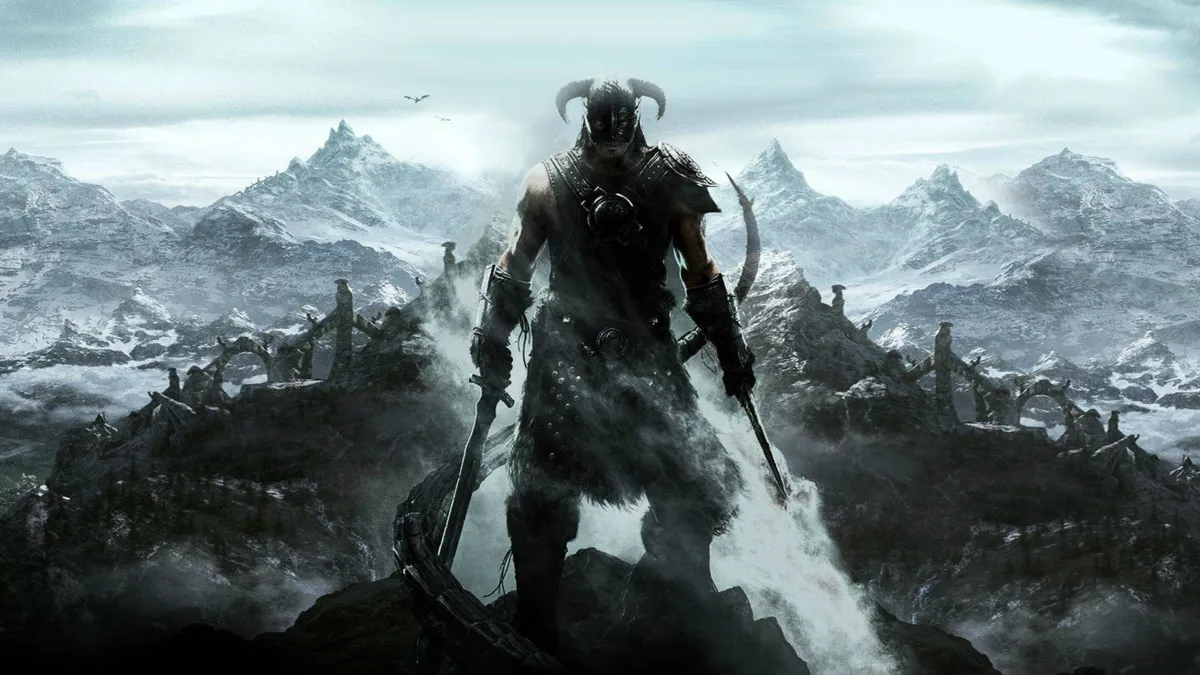
Move over, Oblivion, there’s a new Elder Scrolls in town. The Elder Scrolls V: Skyrim is buggy, messy, and sometimes a bit guideless--and we don’t care. The massive, sprawling action-RPG is one of the best of all time, with a gigantic, immersive world utterly filled with content.
And we’ll be honest: the core game isn’t much different from Oblivion, but the addition of dragons--and their shouts--change the game completely. Slaying a gigantic dragon and stealing its soul is one of the greatest gaming moments ever, and the fact that it happens dynamically makes it wonderfully personal. And the feeling we get when we hear the Dovahkiin chant after entering a dungeon? Seriously. One of the coolest things in any game--ever.
Representing: The Elder Scrolls series
The XCOM franchise was (in)famous for appealing to only the most hardcore of PC players. But 2012’s surprise hit XCOM: Enemy Unknown somehow found a way to shake off that legacy. The release moved XCOM to consoles and made its many complexities more inviting, yet somehow it remained one of the most exciting tactical challenges you’ll ever face.
XCOM featured tried and true strategy-RPG gameplay, but with enough new touches to make the shootouts far more dynamic than anything the genre has seen. Every decision could potentially shift the course of battle, so you better not make the wrong one. The game was taxing even on normal difficulty, but each turn was so engaging, it was easy to spend an entire Saturday playing the game without realizing it.
Representing: The XCOM series
Turn-based strategy RPGs had existed before Final Fantasy Tactics, but developer Square made the genre appeal to the masses while maintaining the customary hardcore challenge. The grid-based maps were firmly set in the FF mythos and were home to calculated battles where one poorly planned move could end it all.
Taking the job system from Final Fantasy V and spiffing it up real nice, players already enthralled by the multifaceted combat were feverishly committed to mastering every possible skill-set to fashion the ultimate team. Battling never got old, and even if the localization was slightly lacking, it’s just as addicting today as it was all those years ago.
Representing: The Final Fantasy Tactics games
And if you want to read about more things we love, check out the Best GBA games and the Best Wii games.
While other JRPG heavy-hitters like the Final Fantasy series have evolved their gameplay and are far cries from their original incarnations, Dragon Quest has defiantly and successfully stayed true to their menu-based combat, grinding-for-experience and random battle roots. That said, the series still found a way to evolve with this 2005 entry.
Dragon Quest VIII: Journey of the Cursed King easily made our list with its beautiful, 3D cel-shaded graphics and lush symphonic soundtrack complimenting the traditional turn-based combat, classic bestiary, and lighthearted style. Even with all the old school charm, the fully 3D world, voice acting, and stellar localization took the series into the future in all the right ways. Let other RPG series try to reinvent themselves every year. We’ll be happily swaddled in the warm familiarity that makes Dragon Quest exceptional.
Representing: The Dragon Quest series
When it comes to kart racing games, there's Mario Kart and then there's everything else. Whether it's the simplicity of Super Mario Kart or something experimental like Double Dash, they've always been ahead of the pack, and 2011’s Mario Kart 7 was the culmination of everything the series had gotten right to date in one nifty package.
Everything we love about the series, like approachable racing controls and players dashing across the track, flinging shells with reckless abandon are still intact. The mix of tracks and battle arenas is equal parts fresh and nostalgic, as even old tracks return and are made new with the addition of underwater and hang gliding sections. Add to all that the best graphics in franchise history and you have the greatest kart racer to date, Mario or otherwise.
Representing: The Mario Kart series
Not only is Advance Wars easily one of the best tactical RPGs of all time, but its bright, cheery style belies a more realistic take on combat in contrast to the genre's usual fantasy-centric fare. Like its sister series Fire Emblem, AW’s combat starts with a concept as simple as rock-paper-scissors, and keeps building on it gradually until players have easily learned a surprisingly complex set of rules.
But despite the array of weaponry at your disposal, the CO characters are really what set Advance Wars apart. Not only is each CO endearing and memorable as a character, but each wields special powers to suit your personal play style. The difficulty level is spot on, too--Advance Wars manages to be nails-tough without being punishing, which is a rare feat among its peers.
Representing: The Advance Wars series
Despite what “teh hardcorez” out there will tell you, a game doesn’t need to be punishingly difficult to be great. Yet, if you’re craving something that challenges you to play until your fingers ache and your eyes bleed, Super Meat Boy is far and away your best choice. Why? Because this is platforming gameplay boiled down to its raw essence.
Meat Boy takes the established laws of physics for the genre and perfects them, with spot-on controls that are easy to grasp but incredibly nuanced. Each stage is more deviously difficult than the last, but the little red cube’s movements are so exact and finely tuned that you know any failure is your fault, not the game’s. And for the thousands of times you’ll die in the game, it’s all worth it for the sheer euphoria from completing a stage, giving you the courage to move onto the next grueling level.
As platformers were becoming edgier and more focused on slick visuals and snotty mascots, Shigeru Miyamoto’s team doubled down on cuteness. It paid off big time. Sure, Mario’s world had never looked so pretty--but don’t be fooled by Yoshi’s Island’s crayon-colored visuals and adorable-osity. This prequel is full of incredibly sophisticated 2D game design.
With levels custom-made to maximize Yoshi’s floating, butt-stomping, and egg-throwing attributes, each new area was cleverer than the last. The boss fights were some of the best that the Mario dev team ever made, and not even a constantly screaming baby could ruin the fun. Yoshi's Island proved that classic gameplay still mattered in the mid-’90s, and that’s true to this day.
Representing: All solo Yoshi games
Final Fantasy X represents everything we love about this long-running JRPG series: Turn-based battles, gorgeous environments, a diverse cast of memorable characters, a heart-breaking story, and an emotional musical score. Tidus and Yuna's journey to defeat Sin takes them and their friends through the beautiful world of Spira, a place we enjoyed so much that we didn't mind seeing the sights again for a second time in the sequel. Spira’s varied climates and luscious landscapes were a nice change from all the technologically advanced cities that we've grown used to in the series, and the new sphere grid system was a fun and easy way to customize every member of your party.
So what if Tidus was sporting some uneven pant legs and asked so many questions to the point where you wanted to slap him? In the end, his undying loyalty to Yuna was inspiring, and we couldn't help but fall in love with their story.
Representing: The 3D Final Fantasy games
Perhaps it's the European storytelling influence, steeped as it is in the darkness and grime of traditional fantasy folk tales, from before the days of Tolkien or Disney. Perhaps it's The Witcher's literary origin in a series of adult fantasy novels. Whatever the reason, The Witcher 2 (along with its precursor) looks, feels and almost smells unlike any other RPG series out there. Genuinely adult far beyond gaming's traditional maturity, this is a gritty, meaningful, poop-encrusted tale from the real world, given pointy ears and the ability to hurl fireballs.
Its startlingly relatable world is a place of choice, responsibility and moral greyness, with long-lasting, unexpected repercussions that you won't be able to sneak around with a quick reload. Just as satisfying is the game’s weighty, deliberate combat, which demands deeply tactical play far beyond mere button-mashing. There are immense crafting and customization options too, and you’ll certainly need to use them if you’re going to stand a chance. The Witcher 2 is a hardcore RPG in all senses.
Representing: The Witcher series
Burnout Paradise is undoubtedly the most divisive game in the long line of popular Burnout games. Many saw the departure from the traditional formula and the addition of an open-world to be sacrilegious to the Burnout formula, while others welcomed the change with open arms. Obviously, we’re siding with the latter group of people.
We loved the new style, and thought it breathed some new life into the series. The traditional Burnout formula had more or less been perfected with Burnout 3, and Paradise’s changes, while controversial, created a unique racer. Hunting down different cars throughout the world was fantastic, and being able to choose our own path in a race is a great addition. Sure, we missed the traditional “cause a big explosion” mode, but the robust online features (and massive post-launch support) more than made up for it.
Representing: The Burnout series
Civilization V is a history lesson wrapped in a strategy game. Not your going-through-the-motions history lesson, either--it’s a game that teaches you the motives of human history by letting you experience it first-hand. Don’t understand why the British expanded into foreign lands and took over? Play Civ V as an island nation, and you’ll be doing the same within 400 years. Don’t get why early America decided it needed to take over the entire continent? Start a game of Civ next to another country and see how long it takes before you’re trying to kick them off the map.
It’s an enlightening experience, with smooth gameplay that builds on the back of previous Civ games exceptionally well. Small changes, like the switch to a hexagonal grid and reworked combat, add incredible strategic choices. It’s a refined version of the games that came before it, and one that can be replayed for literally hundreds of hours without ever seeing the same results.
Representing: The Civilization series
And if you want to read about more things we love, check out the Best PSX games of all time and the Best Xbox games of all time.
Rarely does a game so long in the making live up to its potential. Announced in 2004, Dragon Age was all but assumed dead until late 2007, when it reemerged as part of EA's acquisition of BioWare. From there, the Baldur's Gate successor morphed into a trilogy, and debuted to significant critical acclaim in 2009. What made it so good? We're talking about BioWare here, so you can of course look to the story.
The developer sought out and achieved meaningful interaction between the player and his companions, and it was necessary to get to know your crew to achieve the strongest bonds. Player choice also impacted the rich, dark world of Ferelden, as players served as a Kingmaker of sorts to the tumultuous ascension. BioWare isn't as well known for its gameplay mechanics, but Origins delivered in that regard as well. This is especially true in the realm of magic, where the interplay between different spells yielded clever results. Here's to hoping the third installment in the franchise returns to its highly engaging roots.
Representing: The Dragon Age series
Pokemon Black/White stands on the shoulders of the Pokemon games that came before it, but there's something to be said for the kind of refinement and depth that you get when a series has had over a decade to evolve. The Pokemon series continues to be one of the deepest, most hardcore RPG experiences available, while still being completely accessible to newcomers.
With Black/White, the technology has finally caught up to allow for the rich multiplayer experience that the series had advertised in the past but didn't really support, so now you can battle and trade with friends (or strangers, if you have no Pokepals) more easily than ever.
Representing: The Pokemon series
There's something incredibly fulfilling about clicking on a monster until it dies, stripping the loot from its corpse, and repeating the act for, oh, let's say the next three years. It's this physical, addictive, primal act that makes Diablo II hold up so well, and kept us doing Mephisto runs until the wee hours of the night (6 a.m. is still considered night, right?).
While Blizzard gussied this concept up with shiny visuals for Diablo III, it still didn't hold a candle to the brilliance of Diablo II. We'll never forget clearing the Den of Evil's monsters or upgrading gems in the Horadric Cube. The feeling of watching a golden item tumble from the corpse of an enemy was incredible, and though we'll never get back the countless hours we spent hunting down Stone of Jordan rings or attempting to hit level 99, we don't want them. It was time spent well, and time we'd gladly do it again.
Representing: The Diablo series
Mega Man 2 is the de-facto awesome 8-bit game. There’s next to nothing to complain about--the controls are dead-on, the level designs are immensely distinct and the glorious music has drilled its way into our collective hearts. To shun Mega Man 2 is to deny everything that makes games fun.
But why this Mega Man? Because it’s the only one that’s perfect. The other NES entries have at least one or two minor issues. Here, every boss design is amazing, the challenge is just right and Mega Man has just enough weapons without cluttering the experience. Mega Man 9, 10 and the recently cancelled Mega Man Universe borrow heavily from MM2, a sure sign even the developer realizes this game’s staying power.
Representing: The Mega Man series
Halo 4 is a textbook lesson in how to refresh an aging franchise. Keeping everything that’s good intact while retooling and reinvigorating it for the next stage of the franchise, Halo 4 is a mighty end-of-generation parting shot that ensures Master Chief’s status as console shooter king is as dominant now as it was when the series first hit the Xbox 360.
Every bit of Halo’s trademark sandbox combat is present and correct, presented with a flair and visual fidelity that’s seems barely plausible on current-gen hardware. The newly personal focus of the story is fearsomely affecting at times and yet utterly epic in sweep. And despite some changes, multiplayer is still the same ever-thrilling playground of tactical Technicolor skirmishes and vehicular manslaughter it ever was. While some feared that load-outs and rankings would turn Halo into just another Call of Duty clone, the systems are finely tuned and delicately balanced so as to do only what they should and nothing more. ie. Make Halo fresher and cooler than it already is without losing a gram of its greatness. But that’s Halo 4’s approach all over.
Representing: The Halo series
Most video games are made by committee--huge development teams backed by huger publishers, designing a product that can appeal to as many consumers as possible and earn as much money as possible. Braid is different. Braid is the singular vision of one man, Jonathan Blow, and you can tell. His personality and philosophy shape enough of the game that you’re guaranteed to come away with a strong opinion, whether “art” or “pretentious.”
At the same time, though, you can’t tell. Braid’s graphics are hypnotically gorgeous, the platforming is incredibly tight and the puzzles seem too brilliant and diverse to have sprung from a solitary mind. This is money well spent, and the best indie gaming has to offer.
When it comes to jamming with plastic instruments with your family and friends, Rock Band 3 is the only way to go. Maybe the keyboard was a bit much too much clutter for your living room, but it did expand the music library. Let’s face it, this is the only “band experience” you’re ever going to get if you have zero musical talent.
Rock Band 3 also gave you access to the entire Harmonix library and had a Pro mode that started to bridge that gap between fake and real instruments. It may have been a tad on the pricey side, but the option was there if you wanted to spend the time honing real guitar playing skills instead of pushing colored buttons.
Representing: The Rock Band series
Since its 1997 release, SOTN has inspired six sequels that copy its formula. Each now ranks among the highest-scoring games on their platform, but none are quite as powerful as the PlayStation original, which itself took elements from Metroid and draped them with vampires, whips and more horrific, blood-soaked bosses.
The Metroidvania approach means lots of backtracking, but acquiring new powers and using them to explore previously inaccessible areas of the map is a sensation worth repeating. We’re also quite fond of the beautifully drawn sprite graphics, which blend well with early 3D visuals (not to mention a stunning CD soundtrack) to create a decidedly mid-‘90s experience.
Representing: The Castlevania series
Sometimes you aren’t in the mood for a fighting game with intricate combos and sophisticated balance. Sometimes you want to play a frantic party game with just enough strategy to keep things interesting. You want a game where four players can bash the excrement out of each other for hours on end. And you feel that package would be even better when if it was plastered in Nintendo fan service.
Super Smash Bros. Brawl is currently the best encapsulation of all the above examples of what makes Smash Bros. so addicting. There have been a few imitators, but none have been able to duplicate Smash’s addicting combination of manic action and hidden depth. And while high level smashers may prefer Melee, Brawl gets the edge by being a little more inviting and having seemingly limitless nostalgia for the entirety of Nintendo’s history.
Representing: The Super Smash Bros. series
Mother 3 will leave you emotionally ruined. It's not just because it's non-stop sadness--because it's not. Instead, it'll leave you in a weird limbo; in one breath you'll be mourning the death of a loved one and sobbing at their grave, and in the next you'll be giggling over a fart joke or listening to a philosophical debate between a talking nose and a monkey. It quickly jumps between dour and bizarre, with incredibly strange characters delivering absurdly deep dialog. Mother 3 is really, really weird.
But it's also brilliant. Traditional RPG fans will appreciate the classic gameplay (slightly augmented with some clever battle mechanics that make the turn-based combat feel fresh) and large cast of characters. The dark narrative is wrapped in an innocent, childish shell, creating a strange, conflicting, beautiful game that seriously is one of a kind. It's a sin that Mother 3 hasn’t released outside of Japan--more people deserve to play this game.
Representing: The Mother/Earthbound series
Where other multiplayer shooters are obsessed with giving you XP rewards and dozens of firearm paintjobs to make you feel like a special snowflake, Counter-Strike cares only about your skill. There's no gradual unlocks to help carry your poor accuracy, no bomb-strapped RC cars to blow dudes up from afar--and there's definitely no attack helicopters to jack up your K/D ratio while you hide in a corner. There's only you and your gun. If you die, it's because you didn't play smart enough (or you just need to improve your aim).
Though Counter-Strike has continued to evolve over the years in the way of graphics and game modes, Source remains the best iteration. By today's standards, CS 1.6 (the final evolution of the original version of the game) is quite dated, while the new Global Offensive has lowered the skill floor to be more accessible to newer players. Tons of CS gamers continue to play Source on the professional level, and the age-old maps continually present new strategies for new and old players alike.
Representing: The Counter-Strike series
And if you want to read about more things we love, check out the Best NES games of all time and the Best Sega Game Gear games of all time.
The genre has certainly grown by leaps and bounds in the years since, but 16-bit RPGs will always have a certain allure that modern 3D quests can’t touch. Created back when Final Fantasy was one of the biggest franchises in the 2D market, Final Fantasy VI is the epitome of the series’ emphasis on epic story, gorgeously pixelated visuals, and creative gameplay systems.
FFVI tells the tale of a world being torn apart by a reliance on mystical crystals to power an industrial revolution, and the eclectic cast of characters tries their best to avert the catastrophe. Each party member has their own goals, aspirations, and gameplay styles, all clearly communicated through the brilliant script. The plot hit all the usual FF beats--airships, mid bosses, Cid--but in unpredictable ways. And the game’s big bad, the unrepentantly malevolent Kefka, has gone down as one of the best villains in gaming history. Later 3D Final Fantasy titles improved upon many core concepts of the series, but FFVI is at the apex of what is arguably the best era of the RPG genre.
Representing: The 2D Final Fantasy games
The Resident Evil series was in danger of getting left behind in the post PSOne generation, but Resident Evil 4 reinvigorated the series along with shooters in general. The game’s over-the-shoulder camera, inventory system, and exciting QTEs were adopted on mass, and that includes some of today’s biggest hits. And even though some competitors successfully innovated on its formula, RE4 has enough to make it a special to this day.
The game’s dark tone, resourceful enemies, and twisting story makes Leon’s search for the President’s daughter still feel fresh. The same goes for risky choice to replace slow zombies with mobs of senseless villagers. RE4 cast a long shadow on the series that it has yet to escape, but that situation is easier to deal with when RE4 remains so intensely playable to this day.
Representing: The Resident Evil series
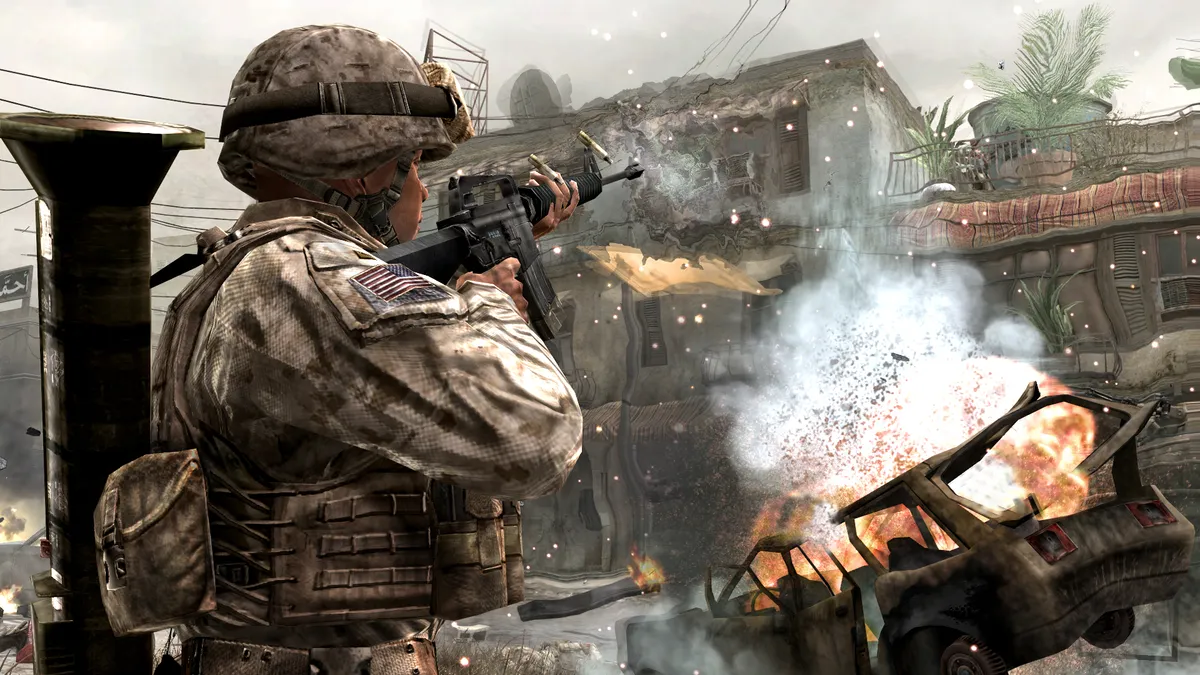
Say what you like about the current state of the Call of Duty series. However you feel about gaming’s most populist punch bag, the entry that arguably set it on its mainstream-baiting trajectory is still an absolute masterpiece. A masterclass in pacing, scripting, and brutally affecting in-game storytelling, if its greatest moments have become diluted through years of attempted emulation that’s only because of their shocking, exhilarating, and damnably intelligent ability to put hearts in mouths and pulse rates off the scale.
CoD4 is one of the smartest, ballsiest games about war ever made, thinking nothing of casually presenting the player with the dirty, unheroic nature of the beast at every turn. Whether inflicted by the enemy or friendlies, it’s never afraid to force the player to confront the demands or consequences of the situation, right through to its teeth-rattling climax. It might not be the longest of games, but few other shooters will leave you so shellshocked, worn-out-exhilarating or elated, or with such a massive man-crush on an abrasive moustachioed Englishman. And we hear the multiplayer isn’t bad either…
Representing: The Call of Duty series
Grand Theft Auto has become such an institution that some have forgotten just why the series is so beloved. Is it the thrill of the franchise’s criminal underworld and punk rock attitude? Perhaps the top class writing and subversive humor? Or maybe it’s the franchises ability to build beautiful sandbox cities where players can live out their craziest fantasies?
Whatever itch GTA scratches for you, Grand Theft Auto IV took the series into the current gen with style. Liberty City is packed with intrigue and opportunities waiting on seemingly every corner. The controls got some needed adjustments, while the plot, dialogue, and biting social commentary is sharper than ever, but with an added--and welcome--level of restraint. The series was growing while staying true to its roots, pushing forward the medium with deliciously little care for who it might upset.
Representing: The Grand Theft Auto series
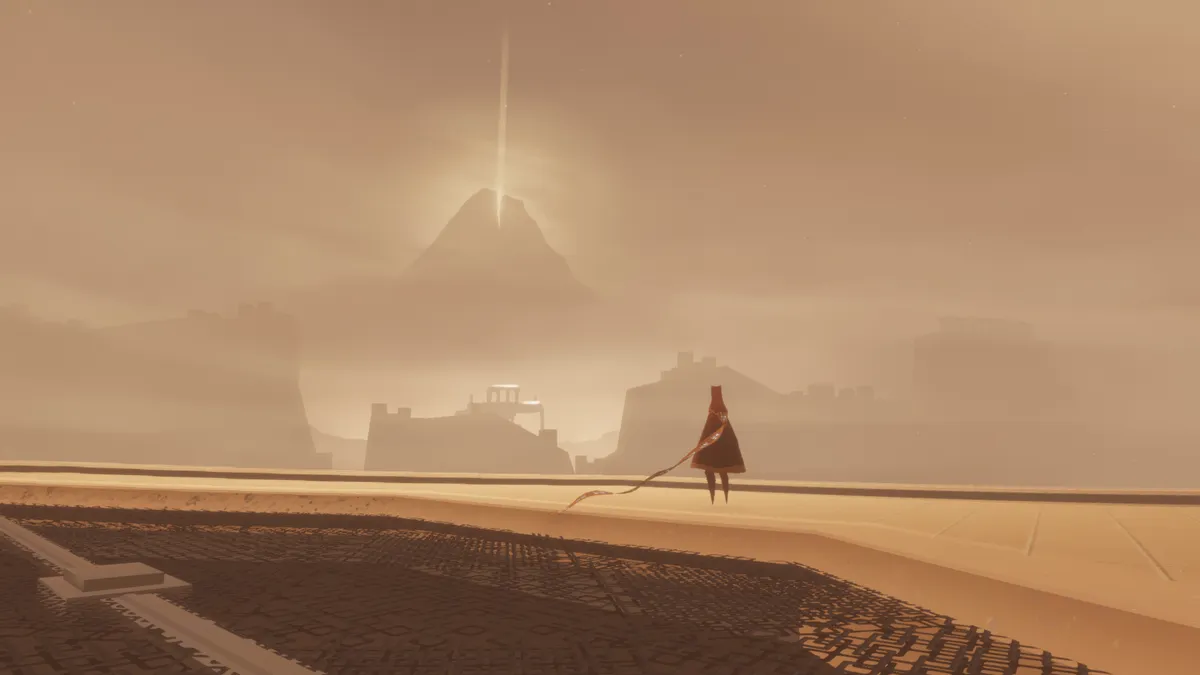
There are no gaudy explosions, no zippy one-liners, no grandiose set-pieces. And it’s all over in around two hours. But Journey is one of the longest games we’ve played in quite a while. And that’s a rare compliment. Journey is long because it’s long-lasting. It’s a game that we will remember for years to come--one whose themes and imagery have already embedded themselves deep in our psyche.
Even when the details fade, the emotions that it evoked will stay with us for years. The pacing, the sense of scale, and the feeling of awe are all razor sharp. It all merged together as we discovered another player in our traversal. We won’t play another game like it, and frankly, we won’t need to, either. If you’re a gamer, it’s an outstanding reminder of why love this medium. Do not hesitate to embark.
The Walking Dead is both testament to and the realisation of gaming’s true versatility as a medium and a storytelling device. Where many games have struggled to recreate the emotive power of cinema, so often tripping over the line between gameplay and storytelling, The Walking Dead positively flies. It does so by ignoring conventional concerns and building the meat of its experience entirely around character interaction. Like the best zombie fiction, it understands that the undead are simply a background context for the human issues its story raises. Thus, where good zombie films turn interpersonal traumas into the real focus of their drama, The Walking Dead makes its gameplay of conversation and diplomacy.
With characterisation front and centre rather than awkwardly shoehorned in between gameplay mechanics, each and every person in the game (because they are people) has the power to agonise your morals and break your heart. Uncompromisingly written, gorgeously acted, and containing no convenient happy endings or clean Hollywood morality, The Walking Dead is a horror game in which the scariest thing is always the simple prospect of making a decision.
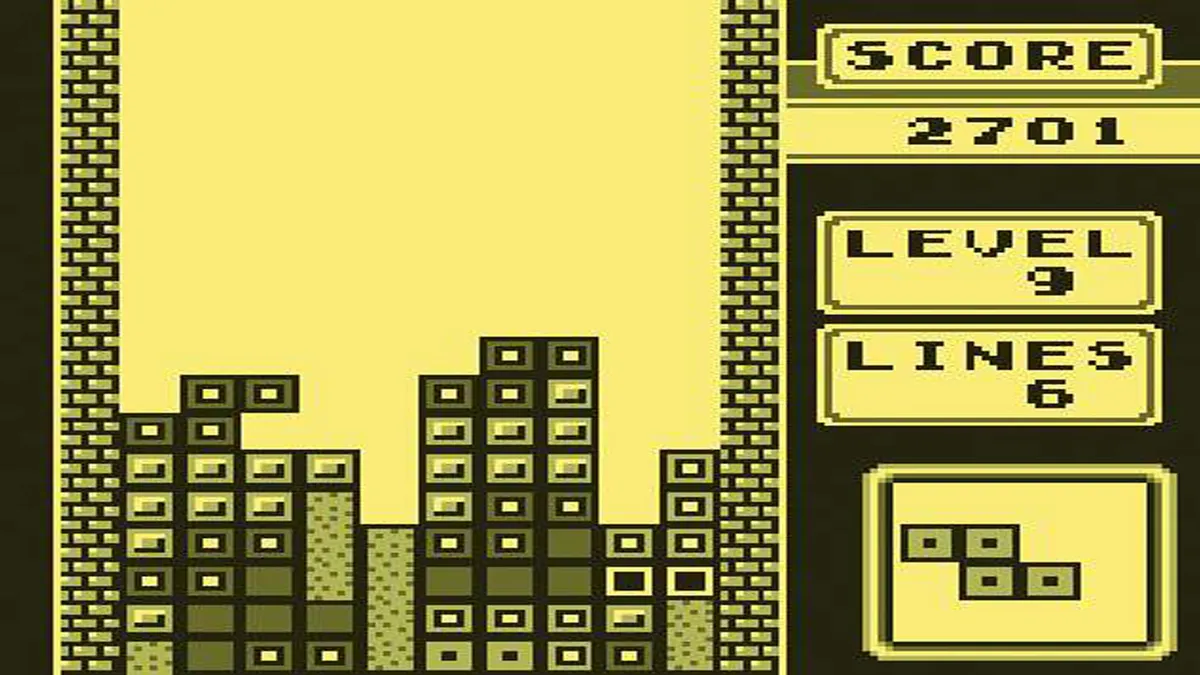
The puzzle genre is one of the most inviting in gaming, but no matter how much it grows, it’ll be hard to ever replace the simple joy that is Tetris. Released on virtually every device under known to man, Tetris’ greatest strength is its simplicity. You have seven different block types that can fall in any order and it’s up to you to drop them just the right to create a solid line that will then be cleared from the screen. The stream of blocks never ends, meaning you could keep playing to the sounds of Russian classical music forever, though eventually the quickening gameplay will best you.
The DS iteration has some great multiplayer and extra modes that make it the franchise’s best, but the central appeal of Tetris is so universal that you can have the same level of puzzling fun whether playing the game on the newest iPhone or the oldest Game Boy. The game is loved the world over thanks to gameplay so strong and easy to grasp that it can cross cultural barriers. It’s hard to imagine any game reaching the same kind of mainstream appeal as Tetris, especially one that is so innately playable.
Representing: The Tetris series
Metal Gear Solid 4 was an awfully pretty, complex game, but somehow its war economy and endlessly long cutscenes didn’t grab us quite as hard as Cold War intrigue in a Russian jungle did. MGS3 turned Metal Gear’s futuristic, corridor-sneaking formula on its head, taking players back to the 1960s and dropping them into a wilderness as Naked Snake, an agent who needed to eat regularly, field-dress his injuries and camouflage himself to hide in plain sight.
It also temporarily toned down its customary chats about the military-industrial complex, instead delivering a raw, emotional storyline about a man setting out to destroy the one person who gives his life meaning. Factor in the raft of improvements its Subsistence expansion brought to bear, and MGS3 stands alone as the most unique, if not necessarily best, installment of the series.
Representing: The Metal Gear series
The fighting game genre, more than any other, has a real problem with creating high-quality crowd-pleasers. You see here, genuine game quality is all about depth. Crowd-pleasing gameplay though, requires real accessibility. So fighters usually, understandably, choose one camp or the other, providing unfathomably deep hardcore favourites like BlazBlue or the shallow, gratuitous fun of a Mortal Kombat. Leave it to the game that popularised the whole genre to get the balance right then.
Street Fighter IV in all its forms is a miracle of design; a fighting game built so much around the character and personality of its fighters that even a noob can instinctively understand how each should be played. Its friendly combo windows and malleable hit-boxes open up the fun to all and provide a fast-track to rule-bending hardcore depth for those willing to put in the work. It’s a joy to play, a joy to discover, and as downright hilarious as it is brutally tactical. With its plethora of characters and options, SSFIV really is the definitive version of the people’s champion.
Representing: The Street Fighter series
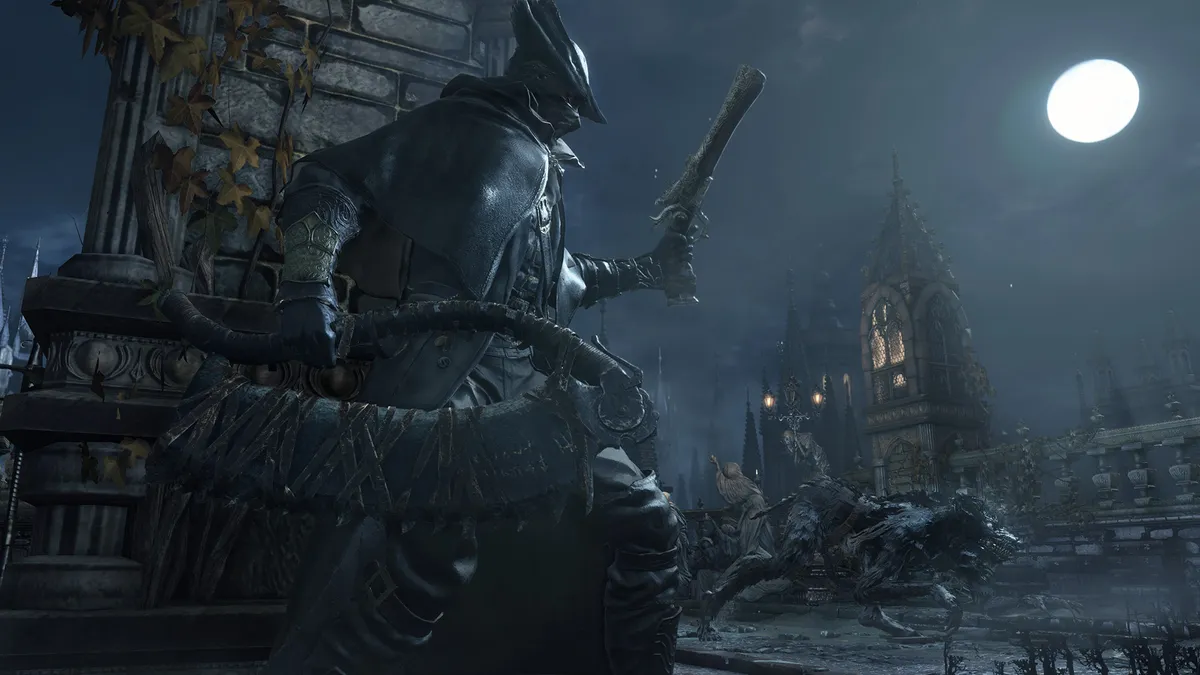
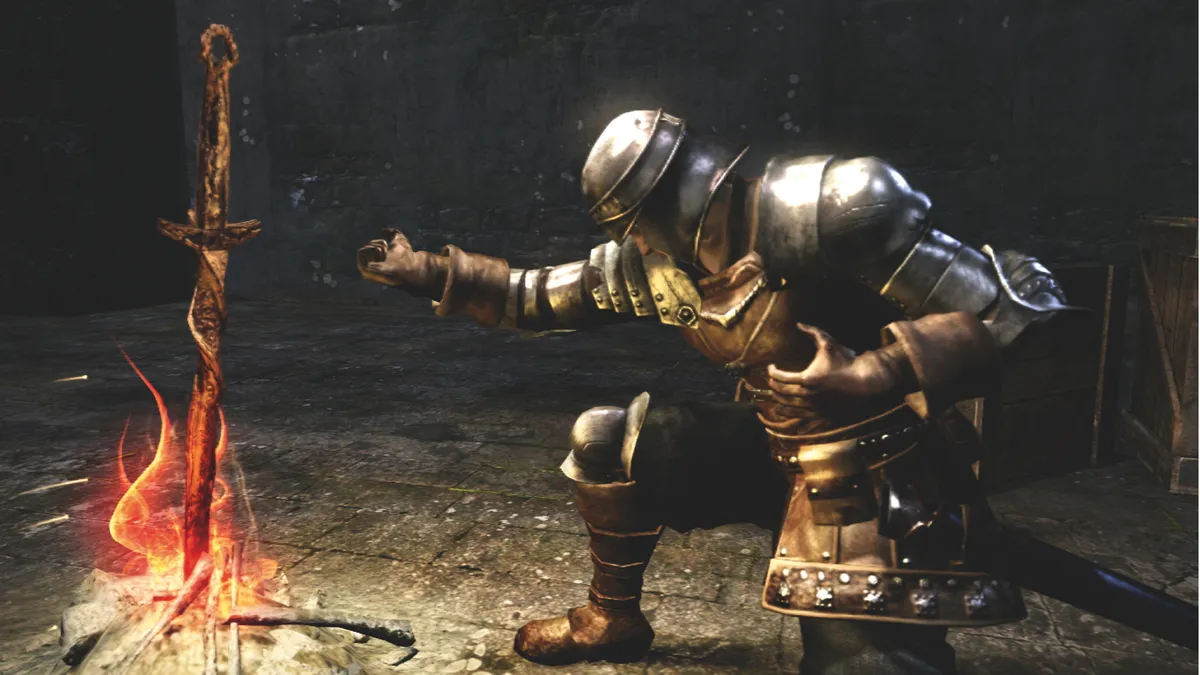
It’s a shame that the notoriety of Dark Souls’ difficulty has over-taken discussion of the game’s deeper delights. There’s much more to its challenge here than a hardcore badge of honour. You see, Dark Soul’s challenge is no simple, blunt hitting stick overcome by trial-and-error repetition. Instead it’s a conduit to a very different, very rewarding kind of gaming satisfaction that few games now provide.
Rather that building obstacles to the player’s progress, Dark Souls’ brutally demanding systems and control mechanics are actually delicately balanced to allow a player to excel once they read between the lines. They’re a challenge to the player, an invitation to hone his or her understanding of the game’s mechanisms in order to squeeze far more out of them than initially appears to be possible. It’s a game as intellectual--meditatory even--as it is visceral. Probably moreso. By forcing creativity through restriction, it brings about a zen-like satisfaction of genuine, personally-driven self-improvement that’s the utter antithesis of the addictive but artificial levelling relied upon by most RPGs.
Representing: The Souls series
And if you want to read about more things we love, check out the Best Super Nintendo games of all time and the Best Sega Genesis games of all time.
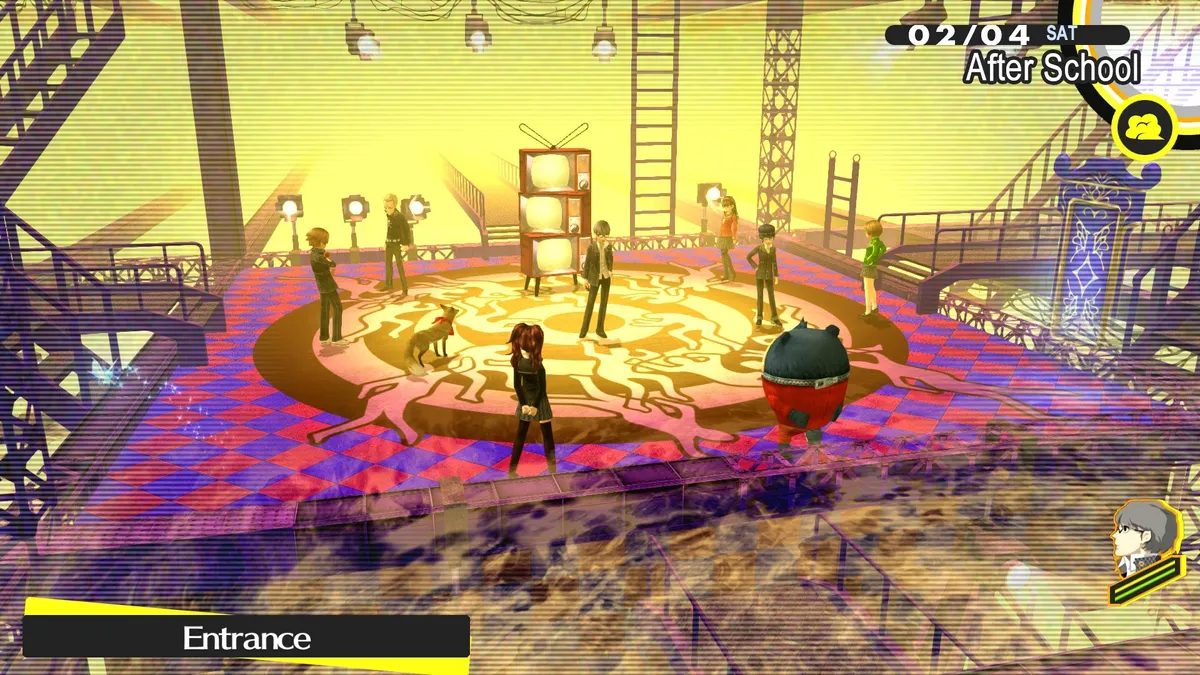
RPGs normally rely on fantastical settings to keep players on their toes, so Persona 4’s apparently mundane world of a Japanese high school and the surrounding suburb of Inaba might seem bland by comparison. But it turns out this quiet town is hiding copious secrets, and that the most interesting new locales can be found inside the mind of a stranger.
Part classic dungeon crawler and part dating sim, the updated special edition Persona 4: Golden gets incredibly intimate with its lead characters, spotlighting their deepest fears and desires. You can’t help but feel close to them once they join the team of friends searching the underworld for a serial killer, and you keep getting closer as each day of your character’s school semester passes. Battling monsters was always exciting, but you’ll be much more excited about spending the perfect evening with a potential love interest or finding out the secret pain of a new friend. You’ll ultimately be so invested in the characters that when you reach the finale at 80 hours, you’ll feel like it all went by too fast.
Representing: The Shin Megami Tensei series
When many gamers' favorite franchises made the transition from their 2D roots to the 3D realm, the stark contrast of gameplay changes had many fans (understandably) uneasy. But when Metroid made the jump from 2D side-scroller to a full-on first-person shooter, no one expected it to be as amazing as Metroid Prime. Players were able to experience the worlds of Metroid from Samus' eyes without missing out on the series staples. Exploring the environment, opening paths with new weapons, and engaging in intense boss battles were back and with the first-person perspective, even more engaging.
The bounty hunter could do everything she could before. Morphing into a ball, performing screw attacks; it was all there. The first-person perspective made the alien worlds more immersive. Elements of the world could be scanned using your armor's visor, making you pay attention to all the minute details in the environment. Even just the small touches of seeing a flash of Samus' eyes reflected in her visor had us enamored. If there is one thing Metroid Prime taught us, it was that change can be very, very good.
Representing: The Metroid Prime series
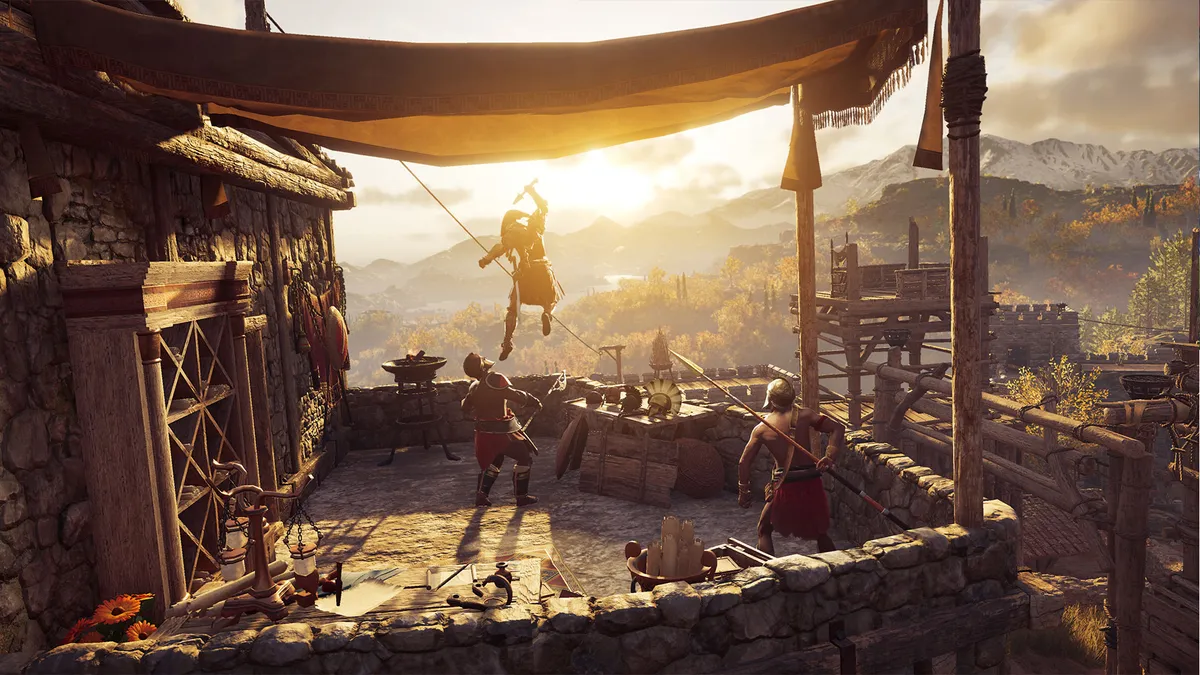
After a promising original entry, Assassin’s Creed II finally gave gamers the open world, murder-for-hire, twisting adventure they’d been waiting for. ACII introduces gamers to the unforgettable Ezio Auditore da Firenze, a suave young man slowly climbing the ranks of the Assassins Guild as he searches the gorgeous cities of Renaissance era Italy for the conspirators that murdered his family.
The fluid combat, sandbox missions, and intriguing conspiracies all come together to make an amazing trip through the life of one man. And the on-foot action was just as rewarding if you merely want to spend your time in ACII climbing the tallest towers of Florence. Later entries may have refined said gameplay to a degree, but Assassin’s Creed II gets the edge on this list for combining that smooth parkour moves with the strongest narrative the series has seen to date.
Representing: The Assassin’s Creed series
Valve's no Mann left behind strategy for Team Fortress 2 has paid off in spades. To be clear, Team Fortress 2 has from the outset been an outstanding first-person shooter, mixing as it does best-in-class class-based multiplayer with humor and panache. However, with Valve rolling out updates for the game as if it weren't merely the third-best offering in 2007's The Orange Box, Team Fortress 2 has only continued to flourish.
These updates aren't just bug fixes, mind you. In addition to supplying new maps and game modes, Valve has completely overhauled the core gameplay over the years, introducing potent and provocative new weapons and abilities to each of the nine classes. Plus, an excellent suite of mod tools has add a heaping helping of additional longevity to the shooter. Oh, and did we mention the game went free-to-play back in 2011? The only real mystery here is why you're not playing it right now.
Representing: The Team Fortress series
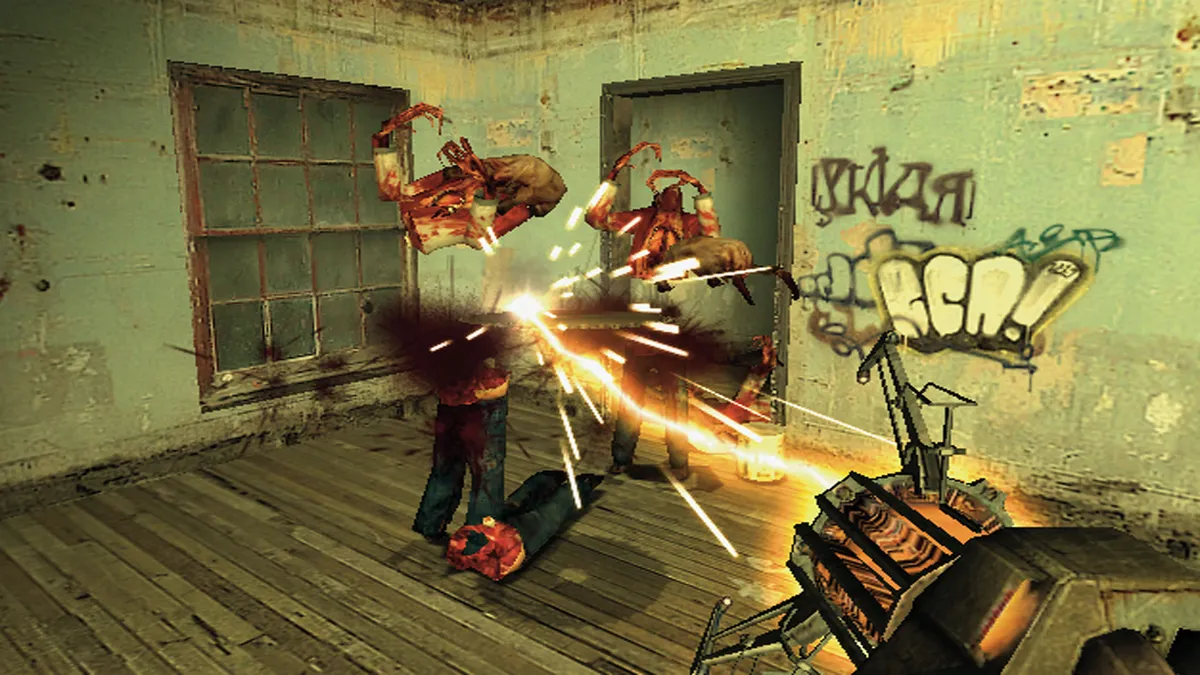
It’s a sad fact of the medium that many revolutionary games rapidly become museum pieces, innovations muddied by the works of their pretenders and gameplay increasingly archaic in the face of more polished descendents. Not so with Half-Life 2. Not only one of the biggest literal and figurative game-changers the industry has yet seen, it’s as impressive, thrilling and creatively surprising now as it ever has been.
One of the best-paced games ever made, it’s a work that all at once revels in the power of the set-piece while simultaneously giving the player the space and freedom to improvise, its vast multi-functional tool-set as adept at reshaping the world as throwing bullets. That organic approach filters through into Half-Life 2’s peerless storytelling too, the events of its campaign only ever representing the edge of a much larger enigmatic mystery hinted at and teased through smart ambiguity and smarter environmental storytelling. Its characters remain some of the medium’s most convincing nine years on, and its action still outpaces the best of its modern competition.
Representing: The Half-Life series
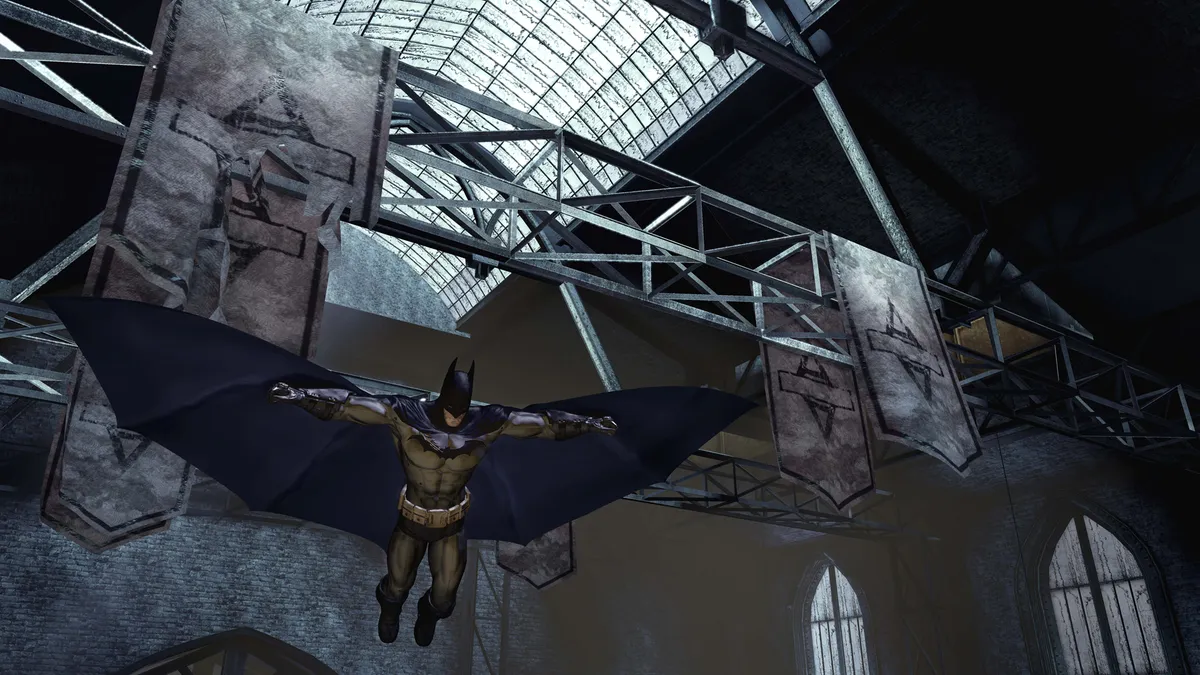
Calling Batman: Arkham City the greatest superhero game of all time is almost doing the game a disservice, because it’s much bigger than that. Building on the strengths of the incredible Arkham Asylum, City drops players into a twisted version of the streets of Gotham. Batman must navigate an open air prison and its many gangs to stop a conspiracy that might destroy the very foundations of Gotham City. Though respectful of the Dark Knight’s history, Arkham City builds its own mythology, crafting fresh-yet-familiar rogues that are then used in some of the best boss fights in recent memory.
But the chief reason Arkham City ranks so high is how triumphantly it captures the feeling of being Batman. You run on rooftops, you sneak up of thugs, you use the shadows as your weapon, and you never give up on your search for justice. Being Batman should be a thrilling experience you can’t quit, and unlike almost every Batman game before, Arkham City finally delivers that experience.
Representing: The Batman: Arkham series
Mario has been a pioneer of the platforming genre since its inception, no matter if there were two dimensions or three. When it was time to evolve the 3D platformer formula, Super Mario Galaxy smartly dumped the concept of dropping players into a giant world and telling them to search out the fun. Instead, Galaxy sends players soaring from one planetoid to the next, and each floating orb is focused on a single concept that the developers brilliantly executed. It refocuses the 3D platformer in a way it hadn’t seen since the mid-‘90s, reinvigorating the genre with the kind of simple fun that made 2D sidescrollers so great on the NES/SNES.
As indispensable as the first Galaxy is, Super Mario Galaxy 2 gets the slot on this list by addressing the handful of kinks in the original, bringing another mountain of fresh ideas to the gameplay, and slimming down the interface so players could get to the fun faster. If you ever worry games are getting too serious, just switch on Galaxy 2 and be reminded of the unencumbered joy gaming can still deliver.
Representing: The 3D Mario games
If forced to sum up the entirety of the Red Dead Redemption experience with a single word, that word would undoubtedly be "majestic." Although built around a similar model, Rockstar’s parable of the dying old west is an altogether more sweeping, poignant, and poetic affair than any Grand Theft Auto. With characterisation more broadly sketched yet believably detailed than GTA IV’s satirical cartoon cast, John Marston is a hell of an engaging and affecting protagonist, clear of purpose yet wide open to personal player interpretation.
Red Dead’s gameplay is a similarly more mature affair. Its close-quarters cover-shooting is endlessly satisfying and deliciously cinematic, and its localised skirmish areas more engagingly structured and set-piece friendly. But the vast expanse of untamed countryside between those localities is the real star. It’s simultaneously an empty canvas upon which to paint the endless emergent adventures thrown up by RDR’s living world and also an inspiring contemplative environment in which to let Red Dead’s various adrenalin-charged high-points and powerful story moments sink in.
Representing: The Red Dead series
Few series get off to as great a start as Mass Effect. Bioware's beloved space opera sucked many a gamer into its sci-fi universe, essentially making gaming's version of Star Wars. And if Mass Effect was gaming's A New Hope, Mass Effect 2 was Empire Strikes Back. Every gripe we had about the original was blown out the airlock and replaced with fantastic action-oriented combat and an even more engaging story.
Gathering a ragtag team of bad-asses had us giddy from the beginning to the impactful end. But while the story itself was strong, it was really the characters that made it unforgettable. From the test tube-born Krogan to the Assari zealot to the Turian mercenary, every character was worth the time you put into them--making the outcome, which could potentially see their deaths (based on your actions), all the more impactful. Mass Effect 2 is the apex of the franchise, and easily one of the best science fiction games of all time.
Representing: The Mass Effect series
And if you want to read about more things we love, check out the Best GameCube games of all time and the Best Dreamcast games of all time.
There's a reason World of Warcraft has the biggest playerbase out of any MMO: It's the best. For years, new fantasy adventures have come and gone, trying to topple the king of the castle. But it's hard to trump a juggernaut that caters to so many types of MMO players so thoroughly.
WoW's lore tells some interesting, complex stories, from the corruption of Arthas Menethil to the return and defeat of Deathwing. Even basic leveling quests add to the rich history of the Warcraft universe. For loot hunters both hardcore and casual, WoW's end-game dungeons are remarkably accessible. Though the best gear is reserved for dedicated raiding guilds, even casual players can see everything these challenging zones have to offer via the simplified dungeon- and raid-finder versions that pair you up with other adventurers looking for a quick fix. And, of course, there are Battlegrounds and the Arena for the PvP crowd, with the latter recognized as one of the most competitive skill-based games around.
The Legend of Zelda: A Link to the Past is the quintessential Zelda game, and the purest blueprint for everything that’s great about the series. Other Zeldas might more attention these days by being “the first 3D one” or “the realistic one”, but not a single of them would be worth a bean without the core framework polished and perfected in A Link to the Past.
Its world is vast and multifaceted, yet compact enough to comfortably explore. Its dungeons are absolute works of art; arcane, twisting Moebius strips of environmental puzzling that tax and infuriate only to the point of glorious forehead-slapping realisation. Atmospherically, A Link to the Past makes marvellous use of the SNES’ bright, bold pallet and mighty sound chip to brilliantly evocative effect despite being one of the system’s first-generation games. It even introduces some of the most fundamental elements of the series, such as the Master Sword and the frequently used parallel universe mechanic. It might lack frills, but it contains everything that really matters.
Representing: The 2D Legend of Zelda games
Uncharted 2: Among Thieves is the type of game that developers had been striving to create for years. It’s the digital equivalent of a massive action film on the type that a young Steven Spielberg or Richard Donner would have made, but done in the way that only video games could pull off. Uncharted 2 is the type of world-spanning, explosive rollercoaster that most films--let alone games--can’t touch these days.
The story is filled with moments that no gamer will soon forget. There’s the massive helicopter battle, climbing a wrecked train up a mountain cliff, getting chased by an unstoppable tank, and running through a lost city of gold as it falls apart around you. Throughout hero Nathan Drake and the rest of the cast are so well realized that you’d feel invested in their escapades even if the game wasn’t full of amazing spectacles to begin with. Thanks to Uncharted 2’s great heart and writing, the game is far more than a series of lovely explosions, though the detonations are undeniably gorgeous all the same.
Representing: The Uncharted series
This one probably needs no introduction, but what pushes Super Mario Bros. 3 past so many contenders for this spot--including every other Mario game--is how simply and effectively it communicates what’s great about SMB3 to the player. Almost 25 years later every 2D sidescroller is still chasing Mario 3’s raccoon tail in an attempt to catch up with its smartly modest design, but they still haven’t beat it.
The original Super Mario Bros. defined the sidescrolling platformer, but when Nintendo returned to the premise for its first proper follow-up, the developers expanded on the core concepts in every conceivable way. Mario’s flight ability alone had such a massive impact on level design, adding verticality to a genre that rarely ventured outside the confines of the TV screen. And despite having so much extra space to play with, each level was just the right size to make you hungry to play the next one immediately. Even though its direct sequel, Super Mario World, uses better tech to try and improve on Super Mario Bros. 3, the enduring excellence of Mario 3’s couldn’t be surpassed, and likely never will be.
Representing: The 2D Mario games
BioShock's success can’t simply be attributed to its quality as a shooter or an RPG. No, Bioshock is about much more. It gives us a radically original yet utterly coherent world previously unimaginable in an FPS. It binds its story to its gameplay on multiple levels, allowing the player's progressive, genetically augmented empowerment to result in an almost tyrannical domination of their environment even as they rail against its current despot.
Rarely will a shooter provide a discourse on political philosophy as its player gleefully manipulates everything from stealth and booby traps to environmental hazards and tactical air support to outsmart and destroy a drill-toting tank on legs. And even more rarely will one make that player feel awful for doing so. But BioShock is much more than most shooters. It will make you question free will, morality, the relationship between ambition and responsibility, and even the nature of playing video games themselves. And it will do so by way of a beautiful, terrifying, multifaceted artistic assault that manages to be even more than the vast sum of its parts.
Representing: The BioShock series
Legend of Zelda: The Wind Waker shares qualities with so many of Link’s other adventures--a massive open world, creative weapons and items, treacherous dungeons, and impressive bosses, but what makes Wind Waker better than a game as historically important as Ocarina of Time? Its visual style and the light-hearted feel that goes with it make it the most welcoming of every game in the series while still being suitably epic.
Every time you unfurl the sails in Zelda, the music starts up and a massive voyage rolls out before you. While the polygons of the other 3D Zeldas look more and more dated, Wind Waker has barely aged a day. And Wind Waker brings many interesting new faces to the Zelda world, all featuring a lot of extra personality thanks to the provocative cel-shaded design. Some may have rejected it when they saw the first screens, but now Wind Waker’s graphics are the key to it being the best Zelda to date, as well as one of the greatest games ever made.
Representing: The 3D Zelda games
Games usually arm you to the teeth before pitting your hero against a massive enemy. You're given jetpacks or rockets, magic spells or grappling hooks--anything that levels the playing field. In Shadow of the Colossus you're given a horse, a sword, a bow, and a heart full of courage. Toppling giants doesn't mean memorizing patterns or shooting them until they fall over and then initiating a quick-time event, it means exploiting their vulnerabilities. You literally need to climb their colossal bodies, stab their weak points, and then do it all again.
Each opponent is a massive, physical puzzle, providing some of the most thrilling encounters in any game--ever. Waiting until a 100-foot foe smashes a sword down (so that you can run up it and leap onto his arm) is absolutely overwhelming, and jumping onto a 15-ton bird mid-flight is astonishing. Never before--or since--had a game succeeded in truly capturing the feel of fighting giants, creating gaming's greatest fairy tale.
As the very first notes of Super Metroid’s chilling minimalist title theme echo out over its moodily cinematic, abstract introduction, it’s clear that this game is serious in all senses of the word. One of the first games to truly utilise cinematic pacing and presentation, it uses a technical trick the SNES has and every bit of creative juice at Nintendo’s disposal to create a work with true directorial vision. Its opening sequence alone is a thing of absolute beauty.
Beyond that point, it remains every bit as stellar. With Nintendo’s devs having had three years to really get to grips with their graphical and aural powerhouse, Super Metroid is an atmospheric tour de force. Its oppressive vibe incites a genuine terror of the unknown just as its strange beauty and perpetually teasing, upgrade-driven puzzling entices the player to explore ever further and go ever deeper. It’s a startlingly smart game, blowing up Metroid’s precisely honed platforming exploration to epic proportions while maintaining the intimate sense of isolation and intimidation that the franchise thrives on. The absolute series standard.
Representing: The 2D Metroid games
Chrono Trigger is a bit like a great novel that you can read over and over again, always discovering something new each time. The richly layered RPG uses its time-travel story conceit to the fullest, sending both the players and the characters in so many different directions. You journey to a medieval setting, a dystopian future, and the Stone Age, but no matter where you go the distinct characters are always there, learning and developing as the narrative continues.
The story conveys emotions so well, and it pulls it off with 2D visuals that make today’s advanced graphics seem unnecessary. And even though one playthrough is epic enough to cover a lifetime, the devs hid so many secrets--including 14 different endings--that you’ll happily return to the game over and over again to uncover every piece of the massive narrative that’s buried inside. Chrono Trigger is far bigger than its genre, even though it had concepts that would still be considered groundbreaking in RPGs today. It’s the adventure of several lifetimes all carefully arranged in one enduring package.
Representing: The Chrono series
There are certain words so powerful that any critic has to be very careful about using them. Among those words, there is none more dangerous than “perfect.” Yet we’ve previously and quite brazenly used it to describe Portal, and we still stand by the statement today. That’s not just about Portal’s game mechanics--though those are sublime. Despite the limitless possibilities of games, very few ever present something genuinely, radically new or demand a fresh way of thinking about the world. Portal does both, exploring its concepts with gratifying depth and flawless pacing.
To do that would be enough, but Portal also binds the intellectual seamlessly with the emotional, crafting a sumptuously warm, human, funny, and terrifying story as a welcoming channel into its heady concepts. Valve’s masterpiece blends game mechanics and character development to a startlingly affecting degree, constantly bolstering one with the other to create an utterly complete and fulfilling whole. Forget the brief running time. A second longer would be an ill-judged extravagance. Portal is a precision-engineered masterpiece from start to finish. It is, simply, perfect.
Representing: The Portal series
So there you have it, GamesRadar's definitive 100 best games of all time. Right now you're probably resolute in your agreement with our entire list, as our infallible logic won you over instantaneously...
Or maybe you think you found a small flaw with our chart. If that's the case, why not share with us your opinions in the comments? We happily welcome the discussion (but please understand that we are always right).
matthaeus-hippi - May 7, 2013 8:43 a.m.
Assassin27 - April 25, 2013 3:05 p.m.
bob-joehfdshjfdsjhfdhjfd - May 5, 2013 8:23 a.m.
The4nnihil4ter - April 25, 2013 4:27 a.m.
AtotehZ - April 22, 2013 9:56 p.m.
Dragon_Voyager - April 5, 2013 11:42 a.m.
sternparez - March 31, 2013 10:38 a.m.
MrFox - March 23, 2013 2:48 a.m.
kevin-vella - March 17, 2013 9:27 a.m.
truerock - March 19, 2013 4:24 p.m.
JohnPP - March 14, 2013 1:55 p.m.
truerock - March 13, 2013 9:20 p.m.
GamesRadar is the premiere source for everything that matters in the world of video games. Casual or core, console or handheld - whatever systems you own or whatever genres you love, GamesRadar is there to filter out what's worth your time and to help you get even more from your games. We deliver the best advice, the most in-depth features, expert reviews, and the essential guides for all the top games.
© Future US, Inc. 4000 Shoreline Court, Suite 400, South San Francisco, California, 94080. All Rights Reserved.
|
Log in using Facebook to share comments, games, status update and other activity easily with your Facebook feed.
stephen-thakkar - May 20, 2013 7:07 a.m.