Rumors of Nvidia's new Arm-based processors have been swirling around the web for years now, but a new report from DigiTimes suggests the debut of these gaming laptop SoCs could be just around the corner.
Suggested to land inside a currently unnamed Dell machine, Nvidia N1 and N1X machines would seek to compete with the best gaming laptops from an efficiency perspective, while still offering solid discrete graphics power.
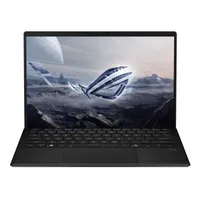
The news comes just as Windows starts taking its own steps to welcome Arm-based gaming laptops into the fold. The Xbox app is now fully compatible with these systems, with over 85% of games running on the architecture.
Currently, only a Dell machine has been spotted with the Nvidia N1 / N1X chip inside and even that's still but a rumor. Still, the brand announced its new super slimline Alienware laptops at CES (with a promise of more information along the same timescale).
Call me optimistic, call me a dreamer, but Razer was also suspiciously silent on the topic of new Blade laptops at CES as well. Fine, you caught me - I have zero evidence for that, it's just a mustache-twirling coincidence so far.
What will Nvidia N1 / N1X chips mean for your next gaming laptop?
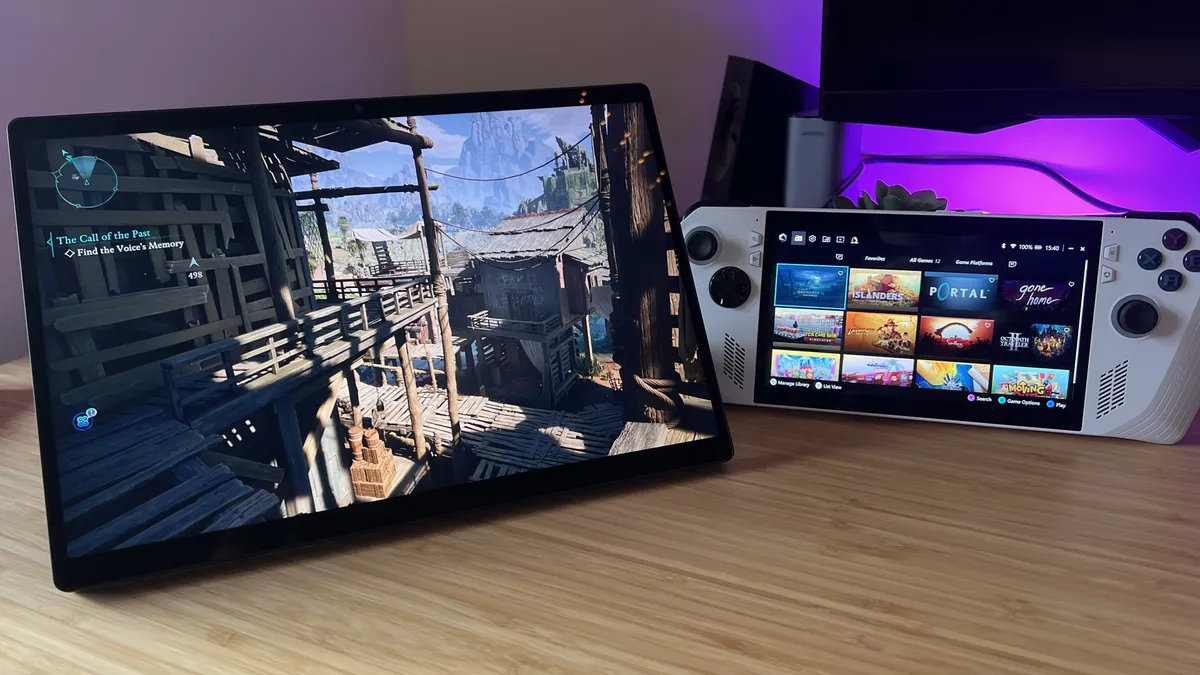
It's likely that Nvidia's arm-processors will take slow steps at the start, rolling out in a handful of slimline machines over the course of 2026. The new systems aren't going to impact those hunting down rip-roaring 18-inchers any time soon, but if you prefer a compact, portable machine that can be used for both work and play it's well worth keeping an eye on how these models perform.
If you're not quite caught up, Arm-based systems keep everything (CPU, GPU etc.) on one 'piece', like the SoCs you'll find in most smartphones and tablets.
That means they can drastically reduce the number of instructions the processor needs to run through, therefore making for a more power efficient system overall. Now they've grown powerful enough to move beyond mobile devices and into gaming laptops and the best gaming handhelds.
For you, though, it means a slimmer and lighter gaming laptop. It's unlikely we'll see too many battery advantages, as Nvidia could well opt instead to push as much power as it can (rather than leaning into the natural efficiency benefits). Essentially, your next gaming laptop could be thinner than a Razer Blade and more powerful than Asus's tablet.
- See all gaming laptop deals at Best Buy
I'm hunting down all the best Razer laptops and sniffing around the best Asus gaming laptops. Or, if you're after something more substantial check out the best gaming PCs on the market.

You must confirm your public display name before commenting
Please logout and then login again, you will then be prompted to enter your display name.