





In the same year that Valve is planning a console-like PC with Steam Machine, Microsoft has announced Xbox Project Helix, a PC-like console, as its next-generation gaming system. These two facts roll around my skull like glass marbles as I reread comments from Valve boss Gabe Newell, who, in 2011, accurately summed up the trajectory of consoles: they're just going to become more like PCs.
For generations of x86 and AMD-consolidated architecture, this has been basically true on a hardware level. Newell touched on this trend as well, saying (to PC Gamer many years ago), "It wouldn't be possible to move this quickly if it weren't for the existence of an open internet client and an open hardware client like we have. It's why all the consoles are using PC graphics hardware now."
Consoles have always been computers in the same sense that your phone is a tiny computer, but the gap between a conventional gaming PC and new consoles has closed dramatically in recent generations. That goes for software to some extent, too, with console UX folding in more and more apps and features beyond games. Shoutout to the launch PS3 and its $600 shotgun blast of ports and plug-ins and 60 of god's own gigabytes. You were just ahead of your time.
It's worth noting as well that this 2011 interview coincided with Valve's brief embrace of console gaming. That same year marked the launch of Portal 2, which featured notable Steam integration on PS3, a fact which Newell even appeared on Sony's E3 stage to promote. The partnership between Valve and Sony ultimately didn't amount to much, but it does help explain why Newell was so keenly interested in the intersection of console and PC at the time.
I'd also point to the PS5 Pro and its PSSR super sampling tech. Sony stands on the shoulders of Nvidia's DLSS, which has worked wonders for some games on PC (even if frame gen can poison the well at other times).
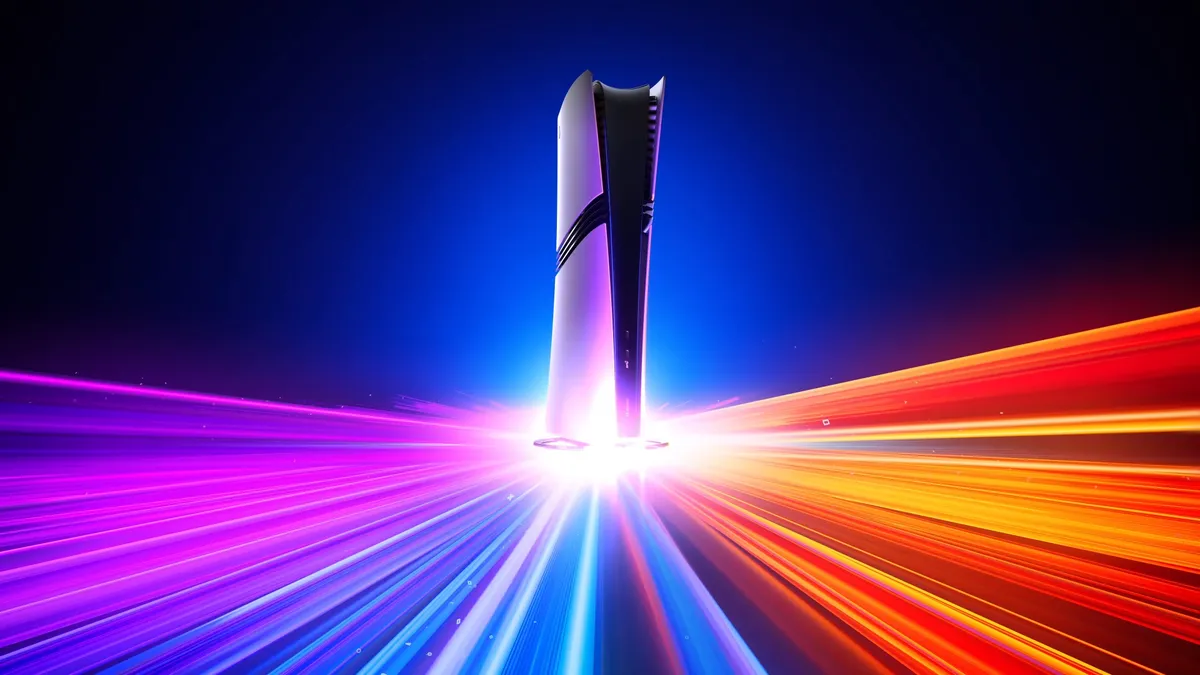
This console trend comes with the arguable exception of Nintendo, whose Switch 2 sacrifices sheer processing power in its custom Nvidia chip and repeats the bespoke handheld experience that helped make the Switch such a success. This, in turn, helped shape Valve's similarly portable Steam Deck and the modern handheld PC boom. Nintendo is almost always running its own race, and retains the truest expression of what consoles were in the '80s. But the Switch 2 also wants to be more than a classical console – it even has its own Discord now.
What really strikes me about Newell's comments is his view of the idea of Steam or Valve as standard bearers or proponents for PC as a platform. "It's a lot easier for me to think of it as having a responsibility to gamers and game developers," he said. "It's hard to test being the flagbearer for the PC. It's a lot easier to go out to customers and find out, 'Do you like this? What do you dislike about this? How can we make this better?' So we tend to be a little narrower in terms of how we try to think about what problems it needs to solve."
Newell added: "Obviously we love the PC, we love the openness of the PC, we value the hardware innovation." And I think this is where every gaming platform has essentially been orbiting the same star in slightly different planes. Every year, those orbits seem to link up just a little bit more.
Again, Xbox is a close parallel, though PlayStation has very literally dabbled in once-unthinkable PC ports – and seemingly pulled back amid fears of diluting its console brand. Xbox and PC, however, remain more inextricably linked, and not just via Windows. The brand's new leaders – CEO Asha Sharma and CCO Matt Booty – have even singled out PC presence as a weakness for Xbox.
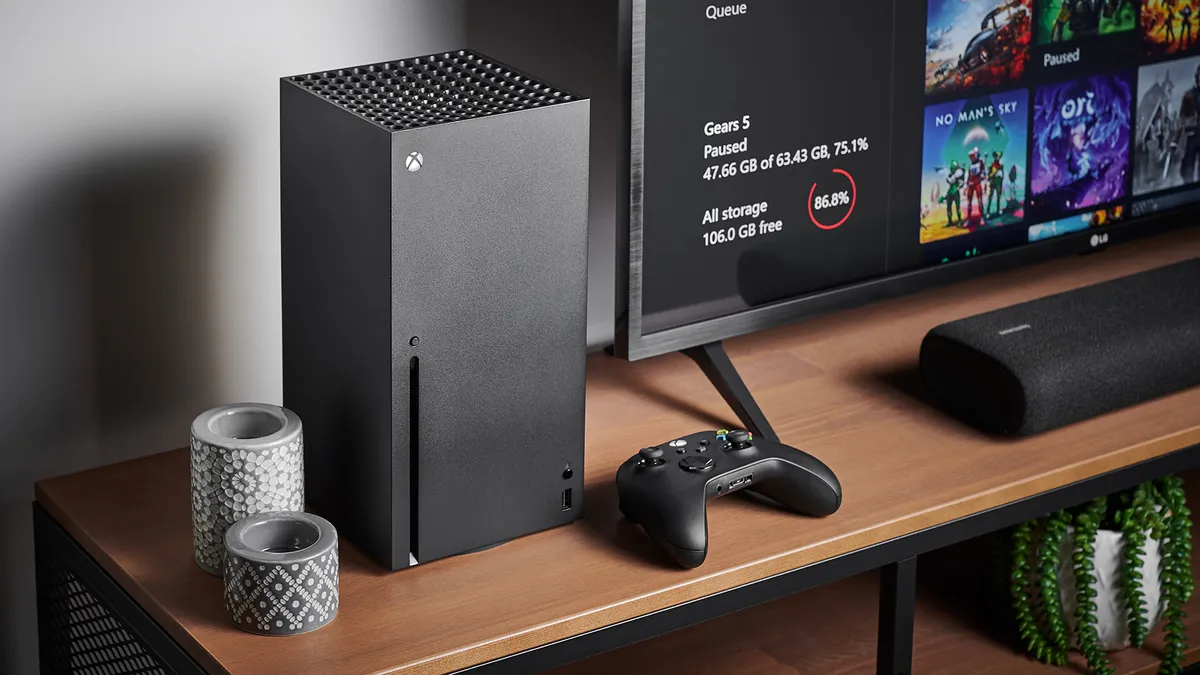
At the same time, Sharma and Booty are deliberately pivoting away from Microsoft Gaming. This branding emerged alongside the now-dead "this is an Xbox" messaging at a time when Microsoft seemed hungry to release games for everything that wasn't its own console. We are purportedly back to Xbox proper, with Microsoft narrowing its own focus with a rebrand looking to shore up the home front instead of spending almost all of its time abroad.
Under the hood, consoles are more like gaming PCs than ever, with Project Helix promising to play your favorite PC games, too. And in practice, consoles have become more open, with both PlayStation and Xbox publishing on multiple platforms. Freedom of choice has always been a core appeal of PC gaming, and that's increasingly bleeding into console gaming. But while it's always good to see hardware become more flexible and more capable, the route to openness for these once-walled console gardens hasn't always been smooth.
The PC gaming ecosystem was explicitly built around endless options and emerging technologies. So, as Newell suggested, adapting to changes in the wind came more naturally to PC gamers. But Microsoft's "this is an Xbox" campaign perhaps reveals what happens when you go too far and obscure identity and purpose in pursuit of an audience that your platform can't sustain yet, which is maybe the most generous possible read of what I guess I'm calling the Microsoft Gaming era.

