You are now subscribed
Your newsletter sign-up was successful
Want to add more newsletters?

Every Friday
GamesRadar+
Your weekly update on everything you could ever want to know about the games you already love, games we know you're going to love in the near future, and tales from the communities that surround them.

Every Thursday
GTA 6 O'clock
Our special GTA 6 newsletter, with breaking news, insider info, and rumor analysis from the award-winning GTA 6 O'clock experts.

Every Friday
Knowledge
From the creators of Edge: A weekly videogame industry newsletter with analysis from expert writers, guidance from professionals, and insight into what's on the horizon.

Every Thursday
The Setup
Hardware nerds unite, sign up to our free tech newsletter for a weekly digest of the hottest new tech, the latest gadgets on the test bench, and much more.

Every Wednesday
Switch 2 Spotlight
Sign up to our new Switch 2 newsletter, where we bring you the latest talking points on Nintendo's new console each week, bring you up to date on the news, and recommend what games to play.

Every Saturday
The Watchlist
Subscribe for a weekly digest of the movie and TV news that matters, direct to your inbox. From first-look trailers, interviews, reviews and explainers, we've got you covered.

Once a month
SFX
Get sneak previews, exclusive competitions and details of special events each month!
It's a question I'm asked every time I tell someone I review gaming laptops for a living; are they worth it? Does that extra degree of portability maintain its value when up against more powerful, upgradeable gaming PC towers? My career so far has been spent finding the best gaming laptops for all kinds of use-cases, so of course I think they're worth it. But that might change in 2026.
Intel's Panther Lake laptops aren't going to wipe Razer, Asus, Lenovo, and MSI's top flagships off the shelves. They might not even trouble the mid-range. But for the everyday player who just wants to be able to play their favorite games at the end of a workday without investing in a second device? Things are starting to look far more interesting this year.
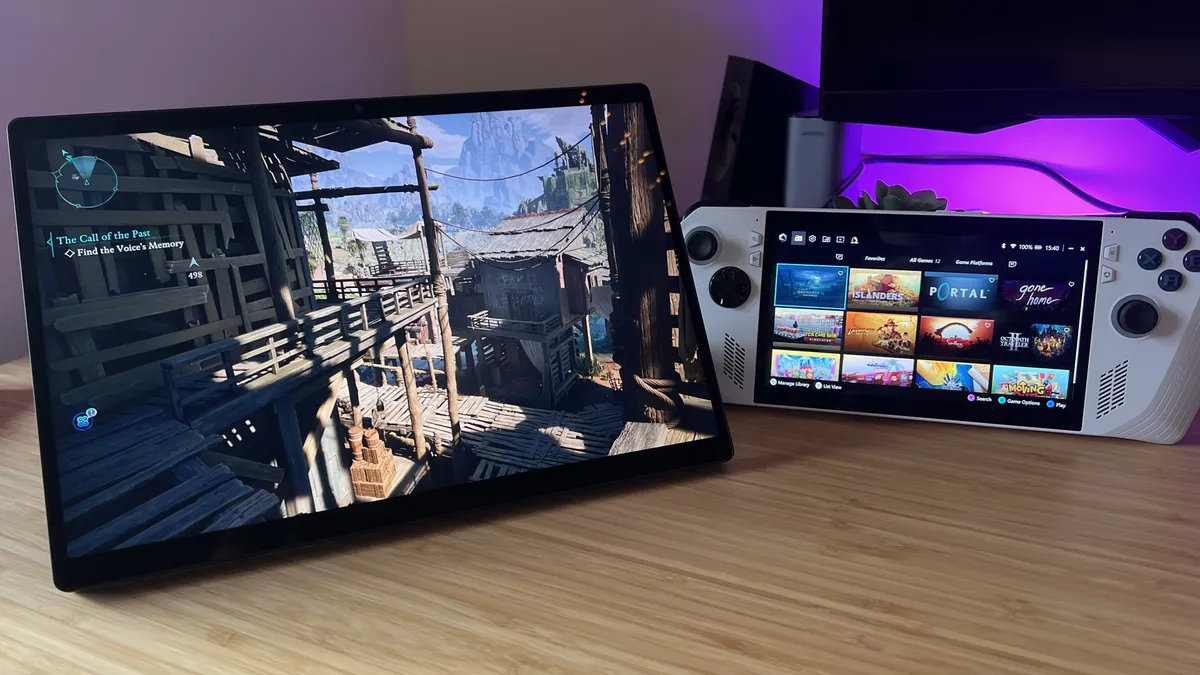
With Panther Lake, AMD's upcoming Gorgon Point, and rumors of Nvidia's N1X swirling, 2026 looks to be the year of the system-on-chip gaming laptop. And that means it doesn't need to be a gaming laptop at all.
After all, these demos are happening on workhorse business machines that traditionally cost far less than the best Alienware laptops or the best Razer laptops. At launch, it's likely these SoC machines are still going to cost a pretty penny - as all new tech tends to. As time goes on, Intel and AMD outfit cheaper machines with their fancy integrated graphics, and the tech underneath grows more efficient, things could change for this entry-level market. 2026 is the first year I've had a serious pause for thought when considering the value of a traditional, dedicated GPU-slogging gaming laptop.
The demand is there. Alienware itself is launching a new ultra-slimline gaming laptop this year, after generations of chunky monsters took over from the super premium X-range. Machines like the Razer Blade 14 and Asus ROG Zephyrus G14 have been slimming their waistlines with every new iteration. Gaming laptops that keep their portability without sacrificing current-gen gaming chops are growing in popularity, and the tech (whether that be the more efficient RTX 50-Series or new SoC systems) is supporting it.
The big guns have nothing to worry about

It's not going to be the MSI Raider A18 HX A9W or the Asus ROG Strix Scar 18 that worries about the introduction of svelte SoC integrated graphics. These RTX 5090-toting powerhouses will laugh in the face of David. Instead, it's the MSI Katana or Lenovo LOQ that should be thinking about its pricing and positioning.
Chunky, budget-friendly gaming laptops that prioritize squeezing the latest RTX 50-class or 60-class into as cheap a chassis as possible are the ones on the back foot. When the Lenovo IdeaPad can perform at the same level with a brighter screen, slimmer chassis, and slicker design, things are going to get interesting.
A while to wait yet

These cheaper rigs aren't going to be wiped out overnight. It's going to be a slow burn - one likely slowed further by shortages in the market. In 2026, an Intel, AMD, or Nvidia SoC laptop is likely going to cost more than a comparable 'traditional' gaming laptop. That's just the way these things work.
But I expect the scales will tip at some point. Whether that's in two years, four years, or six years (or whether some other global shortage extends that wait time), there will come a day when we're using integrated graphics without a second thought. It won't be to run the heaviest games and their top settings, it might not even be to get the most reliable experience, but it will be possible and - dare I say it in this spec and benchmark-filled warzone - enjoyable.
Where does that leave gaming laptops? For the foreseeable future, these dedicated rigs are still going to be worth it. Once entry-level value tips in the favor of integrated options, though, dedicated GPUs might only make sense for the most discerning of PC players among us.
Or it could all fall flat on its face. It's 2026, after all.
- See all gaming laptop deals at Best Buy
- See all gaming laptop deals at Dell
I'm also hunting down all the best Asus gaming laptops, but if you're after a new form factor check out the best gaming PCs and best gaming handhelds on the market.

You must confirm your public display name before commenting
Please logout and then login again, you will then be prompted to enter your display name.