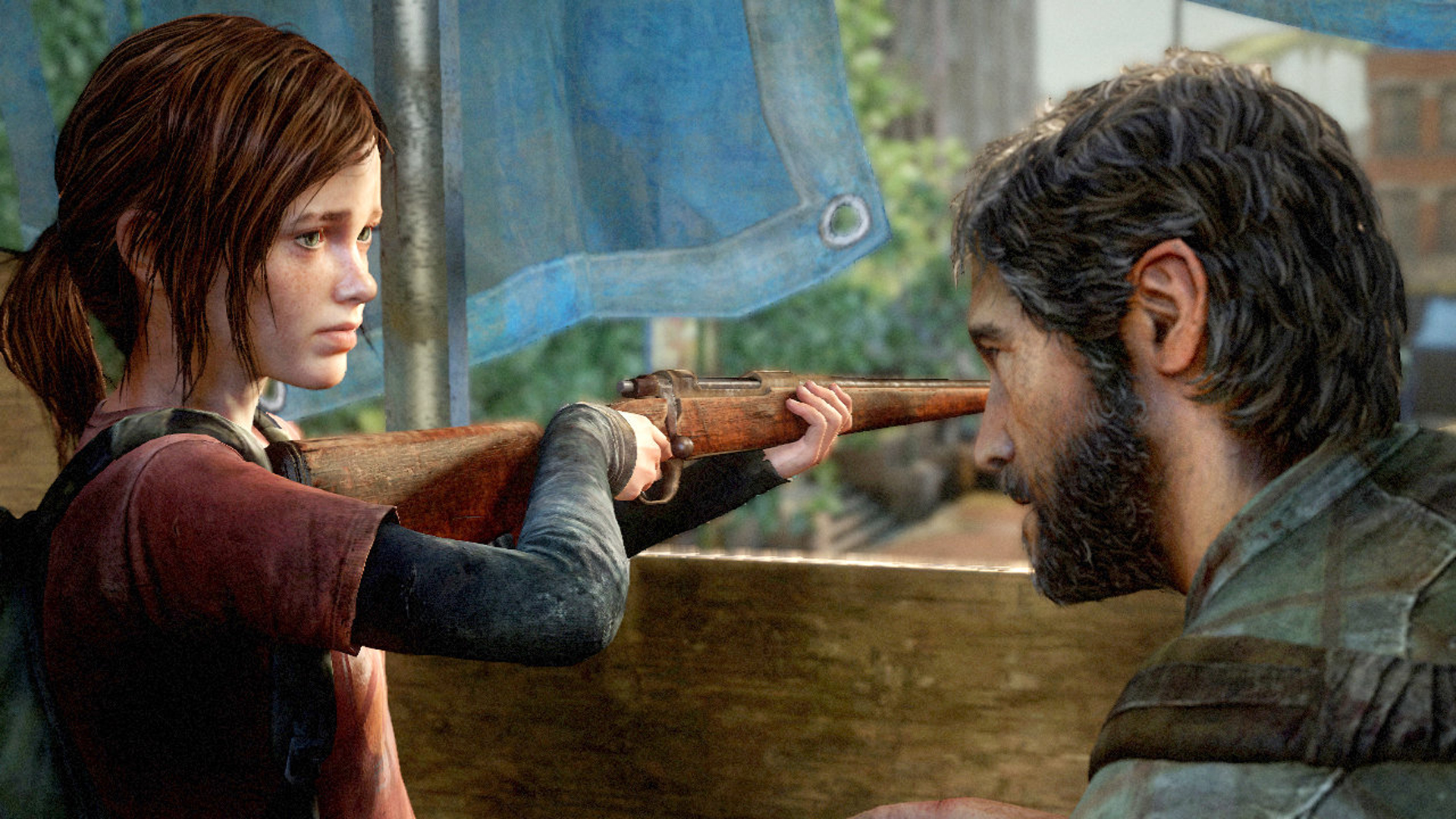
I search for my sister's hand in the Fatal Frame 2: Crimson Butterfly remake even when I know I'm alone in the dark with dolls. Their hair is dark and eyes are wide like Mayu's, but they can't press their palms into mine the way I wish she would. So I keep playing with an incurable sense of melancholy, and it's this dusty rose mood that makes me sure the Fatal Frame 2: Crimson Butterfly remake will become my favorite, most fragile gaming experience of the year.
"Of the year" is a small loophole I'm using – developer Koei Tecmo initially released the Fatal Frame sequel in 2003, but the remake launched on March 12, completely rebuilt, while retaining the original's gentle dread. It tells the standalone story of twins Mio and Mayu, who've wandered into the cursed Minakami Village the way a bunny hops into a comfortable-looking wire cage. Mayu soon went missing among the romantically decaying houses while I, as Mio, have to use the enchanted Camera Obscura to fend off an army of wraiths and find her. I'm only about 10 hours into my completionist playthrough, but every minute I spend under the twilight moon in Minakami Village is like another sip of wine, and now I've joined Mayu in not wanting to leave.

Forbidden fruit
It's impossible to overstate how intoxicating the Crimson Butterfly remake's mood is, especially in the dollmaker's cottage I'm currently trapped in. Chips of rotten wood and old paint stick to all the tatami mats like stardust. There are so many gorgeous gashes in the wall for dolls to stare through, and I imagine, in their glass eyes, the bows and delicate frills of Mio's outfit appear even more beautiful.
This indulgent, gothic air has the ability to heal me of everything that annoys me. Like, Koei Tecmo introduced an awful mechanic where aggravated enemies can infinitely regenerate health, turning a scrappy street fight into a 15-minute saga where I frantically click the Camera Obscura's shutter button – only to realize my film has already run out. The remake also relies on repetitive scares – Mio opens closed doors unbearably slowly to create opportunities for ghouls to suddenly show their blue faces behind them, and some ghosts also, during combat, abruptly flash a close-up of their unnerving grins across my screen.
So I'm sweating over the buttons while a ghost girl knocks me over with chubby hands, and I briefly admire her strength before banishing her with a lucky fatal frame.
It's predictable. It slows me down when I'm eager to keep sprinting in my ballet flats, deeper into some of Crimson Butterfly's new sidequests about missing women and children, to find more strange dolls stationed all around Minakami like fallen angels, or to experiment with the new psychic filters on my occult camera that help me find prayer beads to upgrade it.
But it's also necromantic details like these – the dolls missing heads, the prayer beads, or the robe this ghost woman is wearing as she throws herself down a staircase, giving me a nauseating smile as it splits to reveal more of her vulnerable chest – that eventually overpower my concerns over anything as tedious as "gameplay mechanics." I submit to the mood and the sloth of Minakami's purgatory, and I enjoy being tortured slowly.

Cracked porcelain
I start feeling an appealing fragility in the Crimson Butterfly remake's awkward combat, a rare feeling. To keep up with the reality of living – politics, work, war, sleep – I pressure myself to "stay strong," and there is no escaping from this mentality, even in video games. That includes strict survival horror experiences like Resident Evil Requiem, which balance out your sense of powerlessness with a shotgun eventually. But where do I get to fall apart?
Among the ornamental grasses of Minakami Village, it seems. While exploring its expanded town, a large animal that prefers to swallow you whole, the Crimson Butterfly remake makes sure I'm powerless without my antique Camera Obscura, and the stuttering zoom and focus functions I recently unlocked. So I'm sweating over the buttons while a ghost girl knocks me over with chubby hands, and I briefly admire her strength before banishing her with a lucky fatal frame.

The French philosopher Roland Barthes writes in his 1980 book Camera Lucida, "When we define the Photograph as a motionless image, this does not mean only that the figures it represents do not move; it means that they do not emerge, do not leave: they are anesthetized and fastened down, like butterflies." But I feel that the photographer, Mio gets trapped in her work, too – she barely moves as she takes a picture, and it's impossible not to remember my hummingbird heart when I review my portraits of spirits with their jaws dislocated.
Again, my fingers twitch for my sister's hand – an action that both regenerates Mio's health and gives me, as the player, a tangible sense of companionship in Minakami Village's otherwise desolate neighborhood of black and bones. When she's gone, the loneliness is even emptier. The dolls hanging from their necks above me in the cottage look even more like her – or like me, her twin. Me and the limp dolls – we're both purposeless without another girl to hold us. But I also love feeling this pathetic. There's no other opportunity to do it safely.
You must confirm your public display name before commenting
Please logout and then login again, you will then be prompted to enter your display name.