You are now subscribed
Your newsletter sign-up was successful
Want to add more newsletters?

Every Friday
GamesRadar+
Your weekly update on everything you could ever want to know about the games you already love, games we know you're going to love in the near future, and tales from the communities that surround them.

Every Thursday
GTA 6 O'clock
Our special GTA 6 newsletter, with breaking news, insider info, and rumor analysis from the award-winning GTA 6 O'clock experts.

Every Friday
Knowledge
From the creators of Edge: A weekly videogame industry newsletter with analysis from expert writers, guidance from professionals, and insight into what's on the horizon.

Every Thursday
The Setup
Hardware nerds unite, sign up to our free tech newsletter for a weekly digest of the hottest new tech, the latest gadgets on the test bench, and much more.

Every Wednesday
Switch 2 Spotlight
Sign up to our new Switch 2 newsletter, where we bring you the latest talking points on Nintendo's new console each week, bring you up to date on the news, and recommend what games to play.

Every Saturday
The Watchlist
Subscribe for a weekly digest of the movie and TV news that matters, direct to your inbox. From first-look trailers, interviews, reviews and explainers, we've got you covered.

Once a month
SFX
Get sneak previews, exclusive competitions and details of special events each month!
Former BioWare producer Mark Darrah, who led both the Dragon Age series and Anthem, has argued that risk-averse big-budget games are potentially prepping some people for a generative AI future.
The BioWare veteran discussed the state of AAA gaming in a new YouTube video, explaining that companies have been putting out more by-the-numbers products as budgets have ballooned in recent years. Modern blockbuster games can now cost hundreds of millions of dollars to produce, and Darrah says the "effect of that is everything becomes more and more beige, more and more similar."
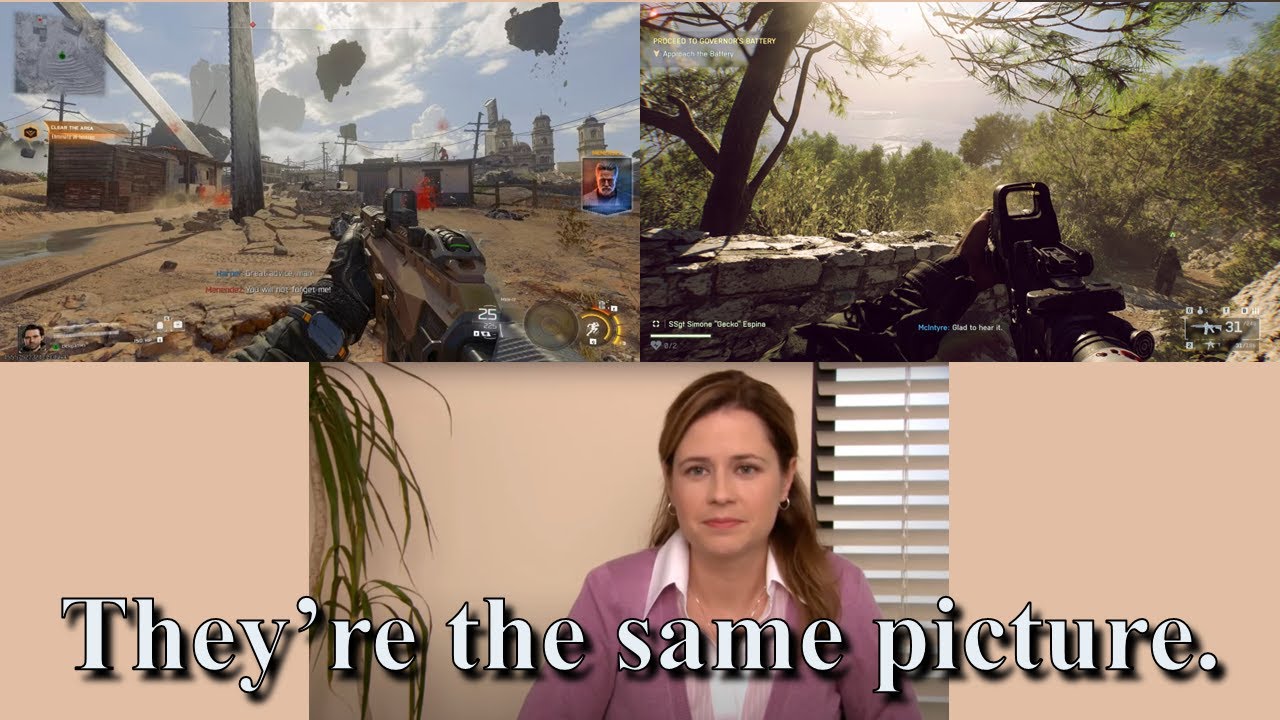
Those sometimes unsustainable budgets also mean publishers "take less and less risks" in an effort to create games that can appeal to, or at least not offend, the widest audience possible, Darrah says. But in reality, it leads to lots of products that are "too homogenous." Assassin's Creed, Horizon, and Hogwarts Legacy all largely follow the same formula, for example, despite being made by totally different companies.
"One of the reasons why some consumers may be willing to accept generative AI is… them feeling like, to some degree, a lot of media has become soulless already," he added, "that the process of squeezing art through a commercial lens has already sanded away all of the grit, all of the soul, all of the spirit of the media they consume. So, why not just have a robot create it?"
Darrah is quick to point out that he doesn't agree with the sentiment, "but maybe that's what's been happening."
Of course, a large portion of the public isn't as willing to accept generative AI 'art.' I mean, just look at the backlash Larian Studios received for exploring AI tech in Divinity earlier this month.
You must confirm your public display name before commenting
Please logout and then login again, you will then be prompted to enter your display name.