What is it?
A match-three rogue-like strategy-puzzle hyphenated-hybrid game
Play it if you like
You Must Build A Boat (but wished it was less frenetic), rogue-likes
- Format: iOS
- Price: $2.99
- Release date: Out now
Match-three games get a bad rep, but that’s because most of them don’t aspire to players doing more than, well, exactly what the genre name says. But the game that sees matching icons as the foundation of something more complex and compelling is the one that’s worth your time. Swap Sword is one of those match-three games with a dream. It wants to be Rogue, and it does a damn good job of it.
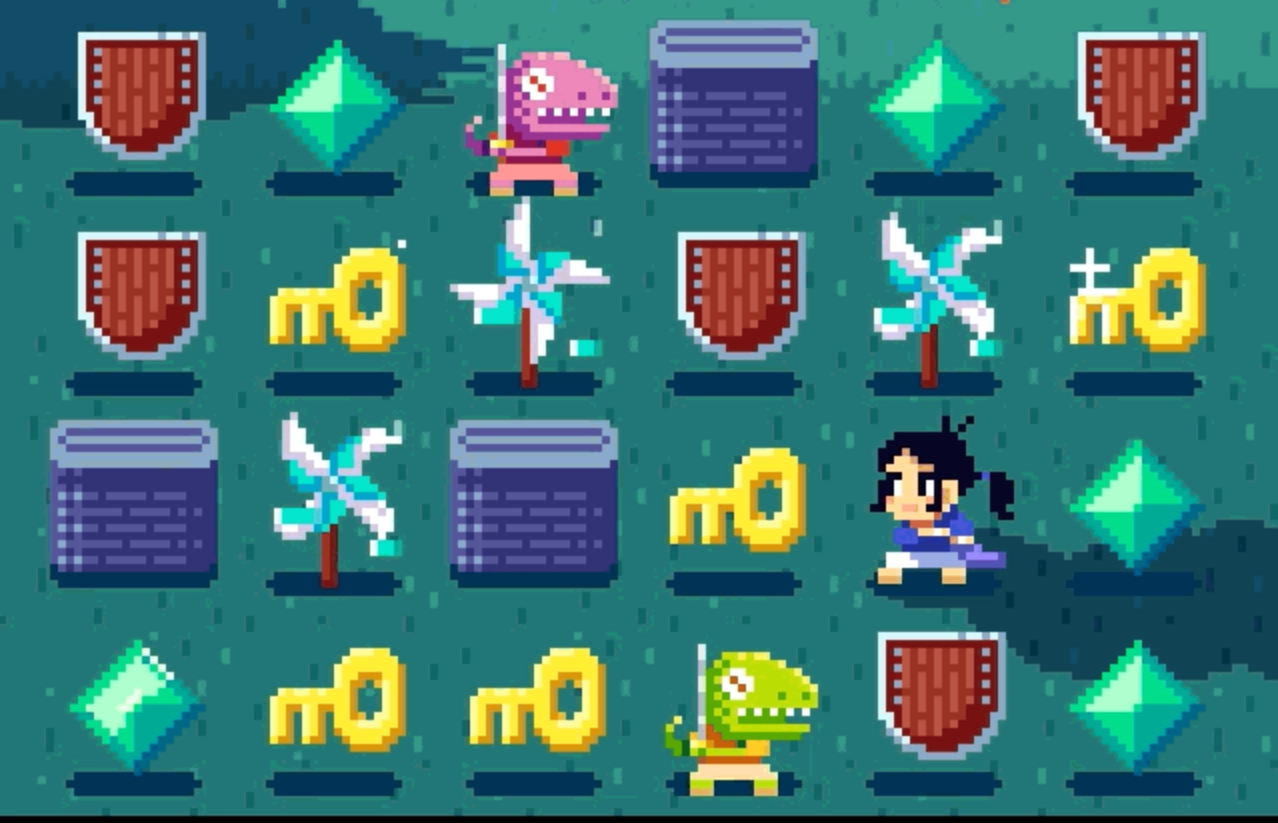
Swap Sword is a turn-based dungeon crawler where tile matching guides your progress. Match enough key tiles, and the door to the next level appears. Enemies will obstruct your efforts, moving closer to you on every turn. Fortunately, you can make them disappear by matching them, or swap spaces with them to attack and get points.
That’s the simple version of the game. When you actually load it up, the procedurally generated environments create strategic questions. To really make any progress, you’ll need to think carefully about which matches to make. Do you rush straight for the door? Do you barricade yourself behind walls? Should you refill your shield or will the resulting cascade of matching put enemies into attack range?

Plus, as you progress, you get character upgrades. These might teleport you around the map, blow up rows of tiles, or turn walls into coins. These abilities can mean good things for your final score, but they require green gems to use. So now you’re also making sure you have the maximum of that resource as well as monitoring where the enemies are and where the exit is.
Each level winds up being a balancing act. You want to get to the end of the game alive, but you also want the highest score possible. Points come from matching coins and racking up dead enemies. Don’t think you can just sit and farm points indefinitely, though. If you stay too long in a level, Death himself appears and will end your game with one hit if he reaches you. So you’re managing your resources, slaying enemies, and responding to the random environment chance has given you, all while trying to stay stave off Death. Pretty deep stuff for “just a match three game.”
One of the big appeals in any rogue-like is in the replay, making just one more attempt to go harder, better, faster, stronger. Even though the full game isn’t very long, Swap Sword succeeds on replayability. That’s largely a credit to the way it implements those character upgrades. You have three upgrade slots, but you have to pick a new one at the end of each level, so the available ways to tackle a level are in constant flux. It’s a clever way to subtly break players out of whatever their default approach might be to this sort of challenge. The variety and randomness also means that after each death, you’ll be certain that just one more try will get you to the finish. And then just one more. And one more. And one more…
You Should Be Playing celebrates innovative, unexpected games that belong on your radar, with a new game every Monday at 0900 PST / 1700 GMT. Follow @gamesradar on Twitter for updates.

