Join The Community





The legendary 3DFX Voodoo, an accelerator card that ushered in a new era of 3D PC gaming back in the '90s, is ready for an FPGA comeback. That's right, while Nvidia likes to remind us it created the first dedicated GPU in the GeForce 256, the component that I personally credit with setting the stage for the entire industry might make its way to new devices in the big 26, and it could make for the perfect escape from the chaos of modern-day graphics cards.
Created by developer Francisco Ayala Le Brun, the "SpinalVoodoo" 3DFX Voodoo FPGA core is already sitting pretty at GitHub. Designed to use the same Terasic De-10 board as the popular MiSTer retro console format, the implementation aims to provide the same unique graphics as a vintage gaming PC armed with the add-on board, which in turn could help devices similar to the Commodore 64 Ultimate or Analogue 3D replicate a specific '90s rig vibe.
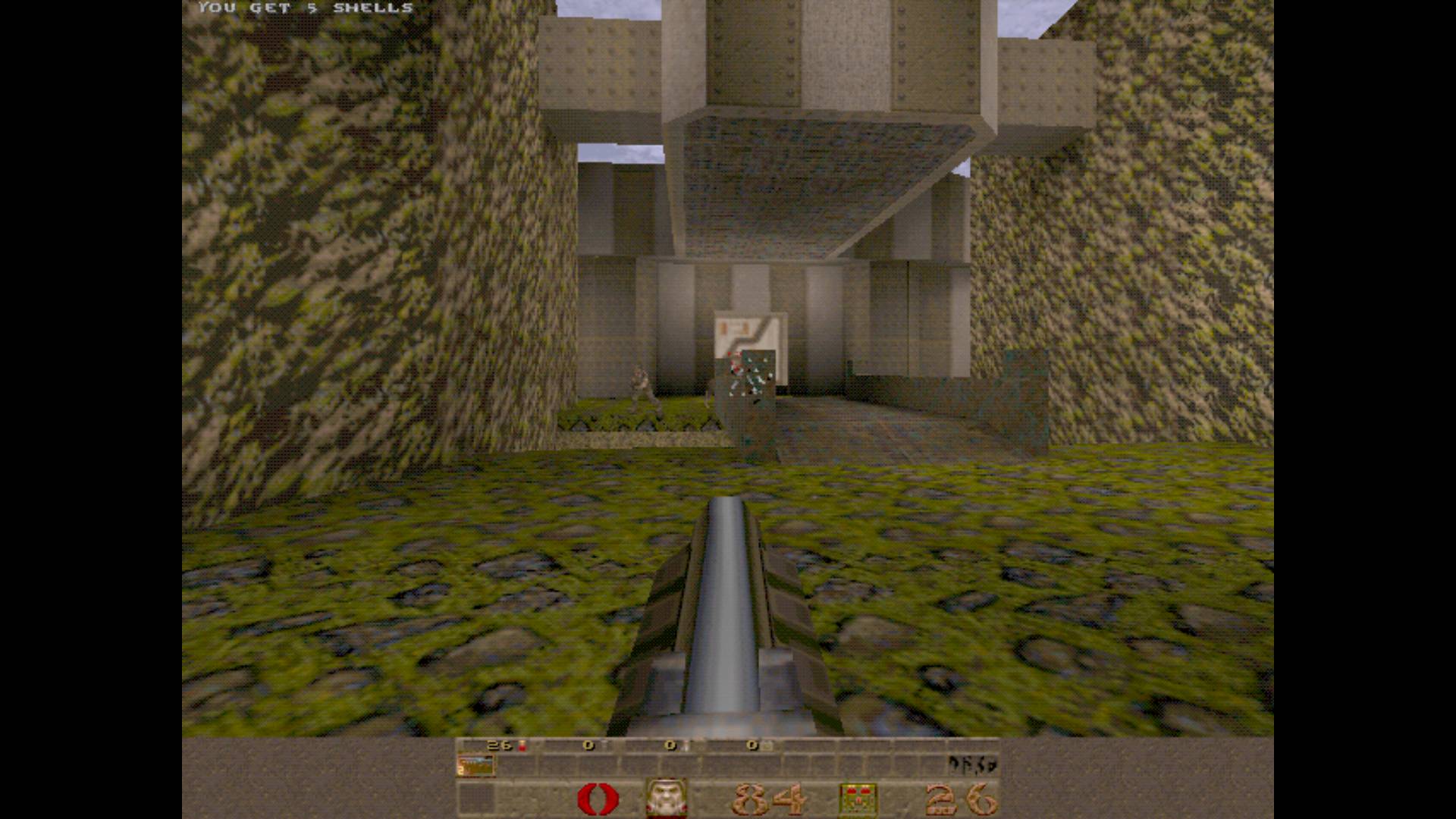
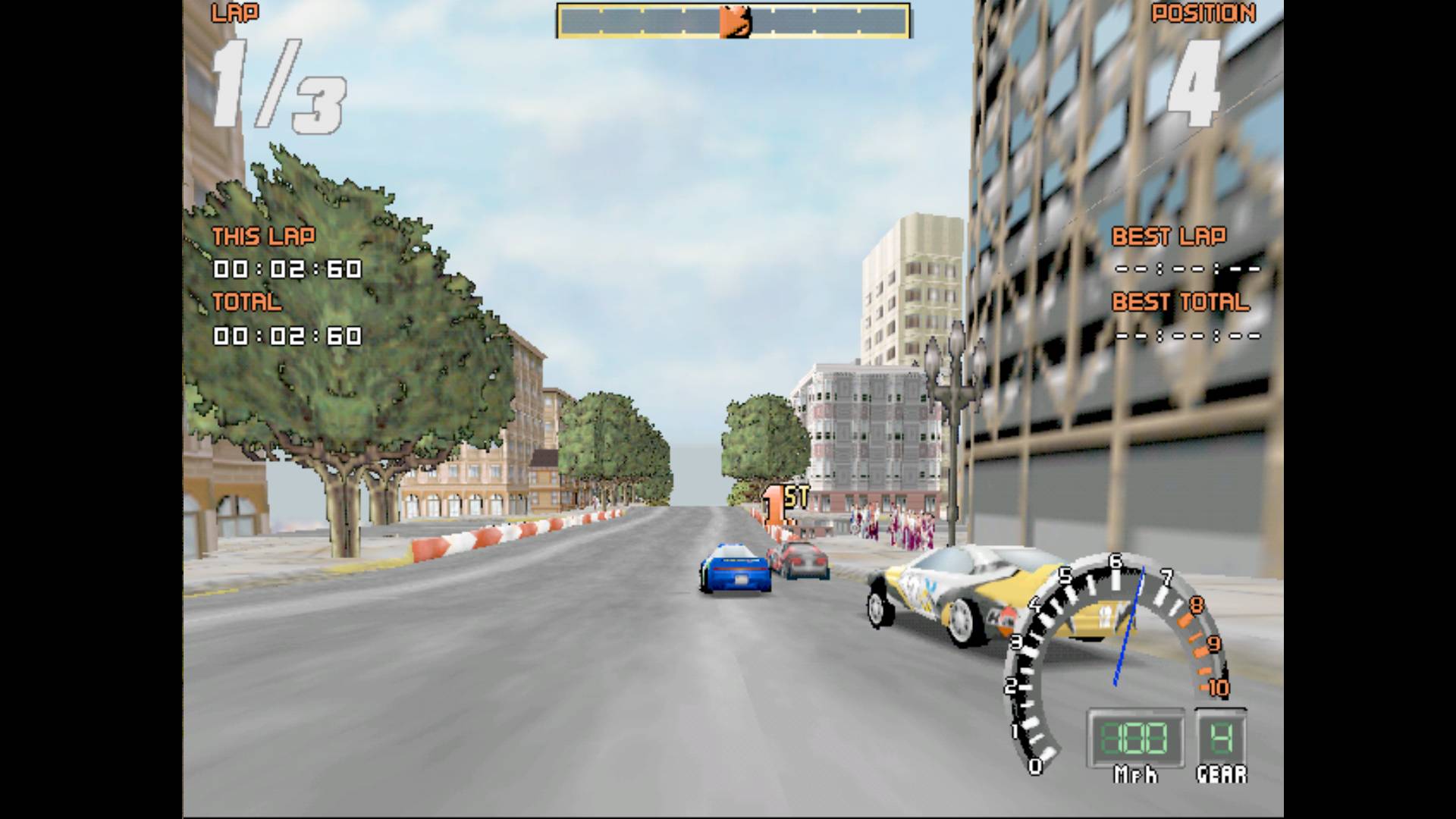

The end game should hopefully be being able to run a bunch of classic PC romps, like the above shortlist or even the likes of Tomb Raider, with 3DFX Voodoo graphics. Again, the card was an additional accelerator that paired with a traditional VGA card, so the vibe is very different from that of a dedicated GPU or something using DirectX. There were even some arcade machines, like Gauntlet Dark Legacy and San Francisco Rush: The Rock, that utilized the graphics tech, so the new FPGA core doesn't just benefit retro PC players.
Again, the current hurdle is that even once the SpinalVoodoo FPGA core is complete, it'll need something more advanced than a current-gen MiSTer with an Intel Pentium CPU implementation, which could help it mimic an old-school PC build. This specific project also appears to focus on Voodoo 1 rather than the later Voodoo 2 and 3 models, so if you're aiming to replicate a specific build in the future, it's worth keeping that in mind.
Still, I am extremely hyped at even the idea of 3DFX Voodoo making a comeback, and this project absolutely sets the stage for new components you could slide into an old rig or even an all-in-one system. The timing is pretty spectacular, considering Nvidia, the company that swallowed the graphics brand back in the 2000s, is coming under fire by devs for trying to make adding generative AI overlays a thing with DLSS 5, and honestly? Ditching dedicated GPUs for old 3D add-in accelerators would make for an amusing protest.
Looking for ways to play classic games on the go? Swing by the best retro handhelds for emulation systems and more.

You must confirm your public display name before commenting
Please logout and then login again, you will then be prompted to enter your display name.