You are now subscribed
Your newsletter sign-up was successful
Want to add more newsletters?

Every Friday
GamesRadar+
Your weekly update on everything you could ever want to know about the games you already love, games we know you're going to love in the near future, and tales from the communities that surround them.

Every Thursday
GTA 6 O'clock
Our special GTA 6 newsletter, with breaking news, insider info, and rumor analysis from the award-winning GTA 6 O'clock experts.

Every Friday
Knowledge
From the creators of Edge: A weekly videogame industry newsletter with analysis from expert writers, guidance from professionals, and insight into what's on the horizon.

Every Thursday
The Setup
Hardware nerds unite, sign up to our free tech newsletter for a weekly digest of the hottest new tech, the latest gadgets on the test bench, and much more.

Every Wednesday
Switch 2 Spotlight
Sign up to our new Switch 2 newsletter, where we bring you the latest talking points on Nintendo's new console each week, bring you up to date on the news, and recommend what games to play.

Every Saturday
The Watchlist
Subscribe for a weekly digest of the movie and TV news that matters, direct to your inbox. From first-look trailers, interviews, reviews and explainers, we've got you covered.

Once a month
SFX
Get sneak previews, exclusive competitions and details of special events each month!
You may think open-world racing games are completely different from jumbo-sized RPGs, but I disagree. Playground Games studio head Ralph Fulton says the same, and the recent "deep dive" look at the long-awaited Fable reboot suggests the developer known for the Forza Horizon series was the perfect pick to lead a return to Albion.
Many of the RPG elements we've come to love or hate, depending on your tastes, can be found in Forza Horizon. The huge maps, dynamic events, surprisingly long questlines, and settings all speak for themselves – it's just cars roaming the open fields instead of mighty heroes. A fairytale world is more of a surface-level switch. Based on that and the studio's pedigree, Fable appears set to become a mainstream hit when it arrives later this year – assuming more delays don't happen.
Of schedules and illusions


"See that house? You can buy it." Okay, no one referenced Bethesda boss Todd Howard during the latest Fable showcase, but the same energy was used when the team began to talk about entering and buying "any building" in Fable's dynamic world. Every NPC in the game is lovingly handcrafted and has their own schedules and relationships. It's the sort of galaxy-brain thinking and daunting task that would explain the long development cycle.
Of course, Fable has lots more going on, with a main storyline which teases a serious menace alongside plenty of open-ended side quests. But if you're more of a mischievous player who likes to mess with Albion's housing market, you're free to do so. It remains to be seen how far the "living world" approach to game design goes in Fable, but it's hard not to think of Bethesda's brand of fantasy sandboxes since the Oblivion days. Just following a shop owner after their work hours often made for funny hijinks, especially when their scripted lives clashed with others.

I still cackle when I think about a vampire denizen of the Imperial City randomly going out during the day, taking damage while making "eugh" sounds, and attacking me for no discernible reason before the high-level guards put him down. You can't get those types of experiences anywhere else: the vast majority of open worlds, as enchanting as they often are, feel like expensive movie sets or interactive museums. Good for screenshots and clearing "content" out, but not really absorbing in a more tangible way. Nintendo got it right twice though.
As someone who's walked into NPCs' houses uninvited for 20 years now (this is where I turn to dust), my ears perked up when Playground's deep dive began to focus on the more emergent narrative aspects of an otherwise familiar fairytale game. "Fantasy life sim" isn't the type of open-world project most game studios go for when dealing with swords and sorcery, so there's definitely a gap in the market while we wait for The Elder Scrolls 6.
Living the dream

Even if Playground seems to be shooting for Bethesda's formula while other fantasy action-RPG giants like Avowed go for more restrained game design, it's hard to deny most of these ideas were planted during the original Fable era. Lionhead often bit more than it could chew under the guidance of Peter Molyneux, but those games undeniably swung for the fences with marriage systems, dynamic relationships, and entire towns that could hate your guts if you became a villain through pure roleplaying.
That kind of daring thinking that's now rarer in the AAA space, outside of on-rails narrative adventures and cRPGs like Baldur's Gate 3, but again, most open-ended games feel like elaborate plays instead of true second lives. It's why millions of players refuse to move past Skyrim until TES 6 arrives. No one's doing that exact thing.
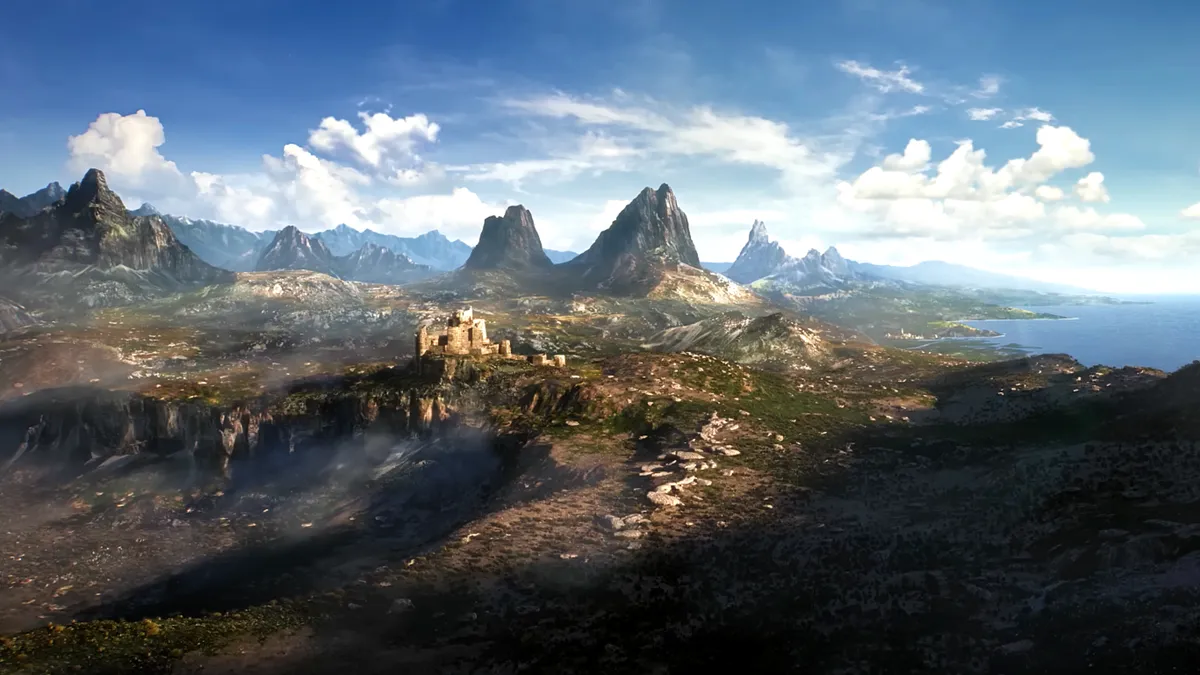
The Fable series was never meant to be yet another power fantasy. What made it special is that it was a fantasy, one with multiple facets. I strongly believe Fallout (in its modern iteration) and The Elder Scrolls have carried that tradition forward as the lines between open-world RPGs, adventure games, and life sims have become more and more blurred. Hell, I'd say Starfield leaning a bit too hard on its more relaxed spirit largely explains the tepid reception in many circles.
The new Fable seems primed to bridge the gap between two RPG series that always felt like cousins, once you looked past their vastly different scopes and tones. Playground knows how to put an enchanting world together in stunning fashion, and with awesome references inside and outside the Xbox Game Studios umbrella, it should have all the needed ingredients (and even the extra help) to put out a corker.
As for the games you can play right now, here's our best RPGs ranked - how many have you played?

You must confirm your public display name before commenting
Please logout and then login again, you will then be prompted to enter your display name.