





Clair Obscur: Expedition 33 and fellow GOTY trophy glutton Baldur's Gate 3 before it were held up by some as a return to form for turn-based RPGs. But while they did respectively bring or reintroduce a lot of people and attention to JRPGs and CRPGs, and serve as exemplars of their genres, turn-based games never really went away or needed saving. Kazuhisa Wada, head of Persona team P-Studio at Atlus, says "what we're calling a 'resurgence' may simply be the rediscovery of things that had fallen outside our field of view."
In a conversation with Game Informer, Wada admits "this might sound a bit contrarian" and highlights how some discussions shifted following "the recent wave of high‑quality turn‑based RPGs released in the West." He doesn't single any games out by name, but we don't need to put on our thinking caps to read between the lines here.
The Western emphasis feels important. Games with combat systems like Expedition 33's are more common among, and generally more expected from, Japanese developers. After all, the entire genre is rooted in progenitors like Final Fantasy and Dragon Quest, thus the term JRPG.
So to see a game like this, and with art like this, come from a French studio like Sandfall Interactive was arguably more head-turning. The developer's unique blend of talents and influences led to a turn-based RPG that stands out in the crowd, and might more readily appeal to people who do vibe with turn-based combat but may not like art or narrative styles associated with classical JRPGs (and are consequently missing out).
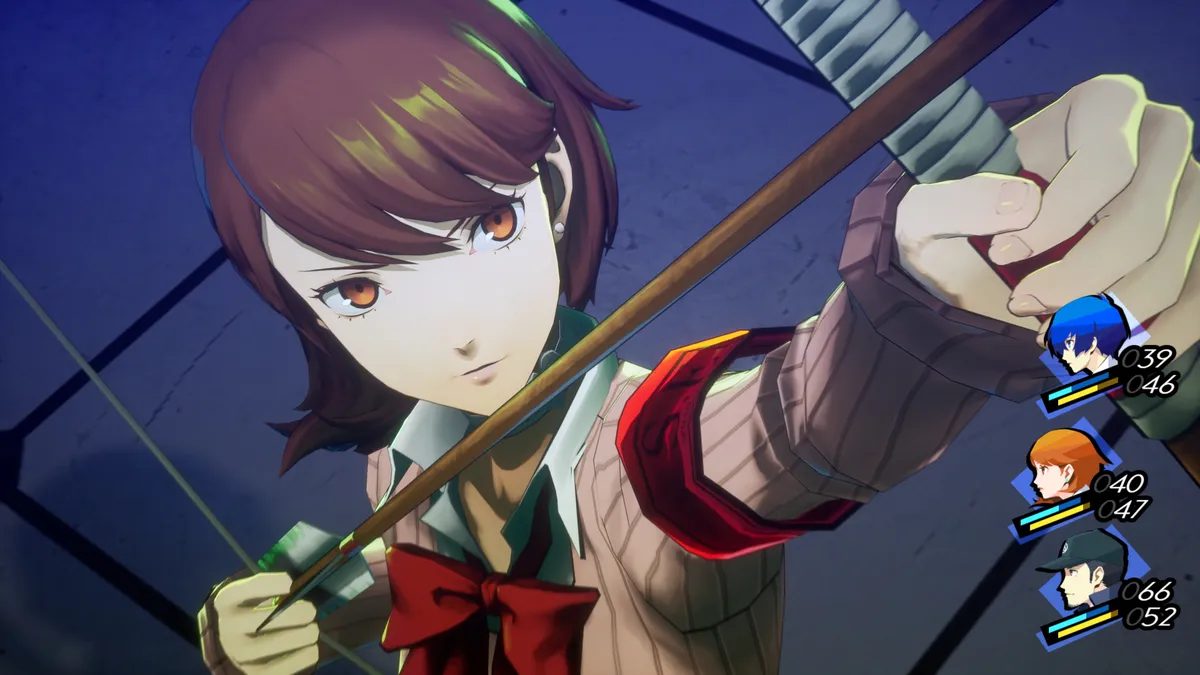
"I don't think turn‑based elements are something we should let fade away," Wada continues. "I don't personally feel that turn-based systems are particularly popular at the moment, but I do sense that recent critically acclaimed games have brought renewed attention to them. I suspect the perception of turn-based combat as outdated – almost like a fossil – came about because many developers followed trends and shifted toward action or action-oriented gameplay instead of refining high-quality turn-based designs."
Nevertheless, Wada stresses that "the sense of exhilaration and accomplishment that turn-based gameplay can deliver has always been there," and remains a "timeless appeal of games."
It's likely no coincidence that this perceived dip in popularity for turn-based games has come alongside Final Fantasy's multi-game departure from turn-based combat, as well as long waits for new mainline entries in genre giants, like Dragon Quest 12 and Persona 6. Final Fantasy 14 and 16 boss Naoki "Yoshi-P" Yoshida actually lamented that new generations haven't been able to connect with the series in the same way precisely because new installments take so long to make nowadays.
Thankfully, we have very much had games and series like Octopath Traveler, Bravely Default, Shin Megami Tensei, Monster Hunter Stories, Digimon Story, The Legend of Heroes, and many more. Which is to say nothing of indies like Demonschool, Chained Echoes, and Sea of Stars, as well series that actually pivoted to turn-based combat, like the Like a Dragon games. Turn-based games may not have dominated GOTY conversations every year, but they never stopped kicking ass.

