Join The Community





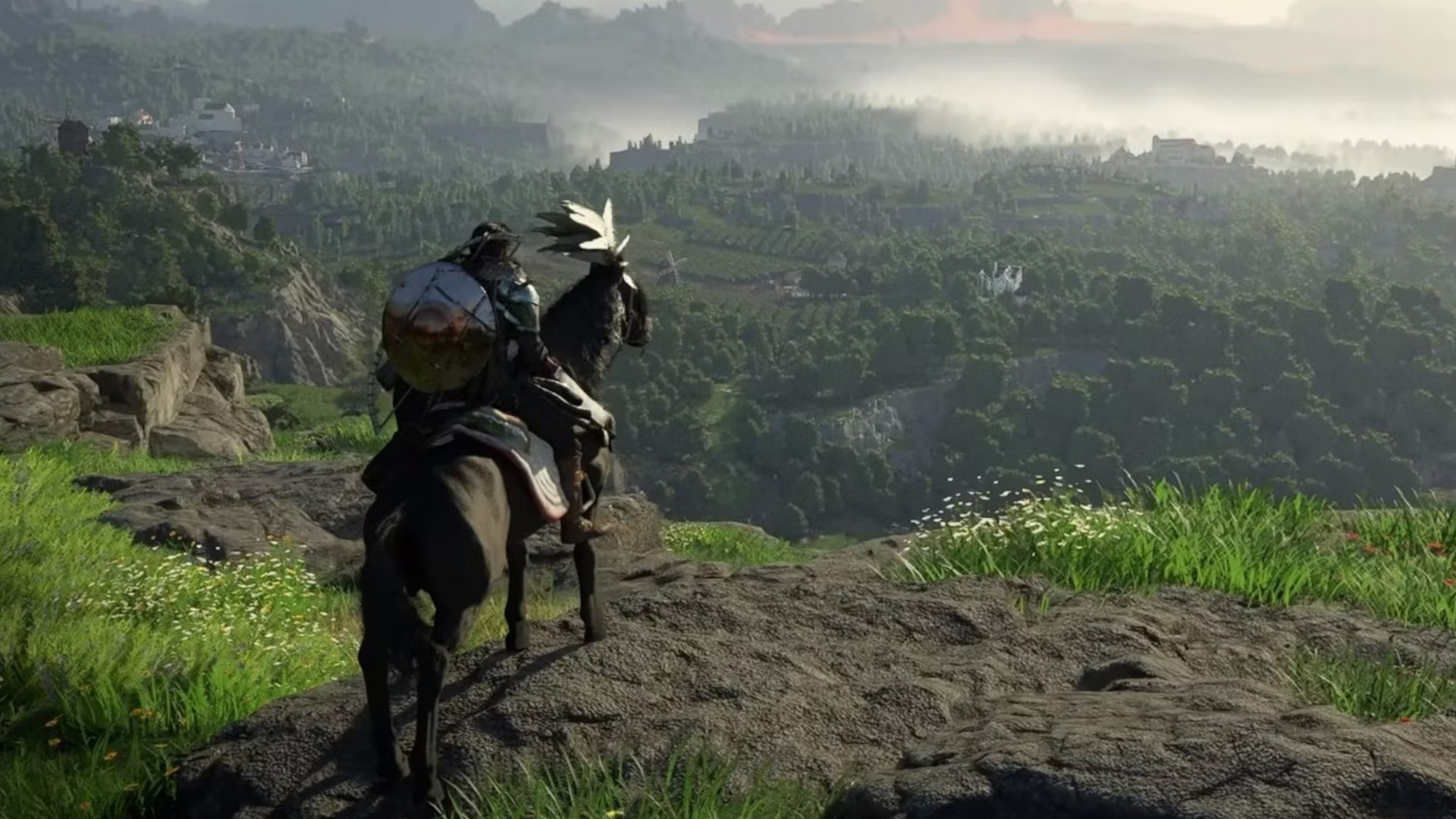
Can you believe that it's been almost a year since the gates to Cyrodiil were swung back open? The Elder Scrolls 4: Oblivion Remastered was undoubtedly a triumph, a carefully crafted refresh of one of the most iconic RPGs of the last two decades. It was also quite unlike anything we've ever seen from Bethesda Game Studios.
The studio's executive producer Todd Howard (who is also responsible for directing Fallout 3, Fallout 4, Oblivion, Skyrim, and Starfield) hasn't shied away from his dislike of remakes and remasters in the past. Not only that, but Oblivion Remastered was also a shadow-drop – the timeline from reveal to release was just a few minutes, rather than the few years we often have to endure with Bethesda games. Why this, and why now?

Exploring the Future of Starfield: How Bethesda Game Studios is beginning to breathe new life into its most misunderstood RPG
The problem, Howard says, is that the question of remasters of iconic Bethesda games kept coming up from corners of the community. It meant the studio had to start thinking: "Okay, so if we did do a remaster, what would we want to do about it?" With the original rendition of Oblivion set to explore its 20th anniversary on March 20, 2026, was that the reason this RPG was selected over all the others? Howard says there was another intention behind the drive.
"We looked at Oblivion and we started there. We felt like this served the Elder Scrolls audience. This is good for that audience of having a single-player game in this pocket of time. But there's a million ways that it could have gone wrong."
Remastering a Classic RPG

Howard is very attuned to all of the ways that Oblivion Remastered could have misfired. He speaks about bringing out the 'dartboard of outcomes' once it became a real consideration. "It's something that means a lot to me, to the studio, and to the fans – you could screw up that legacy. The chances of messing it up are way higher than not."
Reflecting on how Bethesda approached the remaster in collaboration with external studio Virtuos, Howard says that the big question was: "How do we do everything we can to make sure we're enhancing what Oblivion was for people who played it [at release], and then reintroduce it? Our approach there was twofold: One, make it look like it's new, but it's the artstyle of what it used to be – it looks like a modern game with that [original] artstyle. The other thing is that the original game is running."
There's a million ways that it could have gone wrong.
With these two priorities in place, Howard says the teams then had to figure out an approach to modernization. "I did this thought exercise with the team: pretend we kept patching Oblivion, what would we have done if we kept supporting it? And that's where you get a good list," he says. "We probably would have added sprinting. We probably would have adjusted the skill systems, because they are kind of punishing [in places]. That's where we ended up. We felt really good about it, but you never know how the audience is going to react."
That concern about audience reaction helped steer Bethesda in the direction of launching the game as soon as it was done showing it off for the first time. "That's why we compressed the time from announcement to release," he says, pointing to feeling this need to manage audience expectations. "That's where the leaks don't help us. They never help us," he chuckles, "and they don't help the audience either. You're sort of getting misinformation on what it is, and so the audience can get a little anxious. 'Wait, so is it a remake? I hear this and I hear this.'"
"And this was a game in particular, with Oblivion, where if you hear we're remastering it, the game you have in your head, well, everyone is going to have a different version of what that is. I think that creates some anxiety for our players," he says. "So we wanted that time from 'here's what it is' to 'you can touch it' to be zero."
With all of this said and done, does Howard see a world in which Bethesda is prepared to release other remasters into the world? "It was incredibly successful, so it obviously makes us think: Are there going to be remasters in the future of our games? What would they be? How would we approach it? We're thinking about all that."
Related News:
- Everything Todd Howard told us about The Elder Scrolls 6
- How Starfield inspired the next iteration of Bethesda's Creation Engine
- Todd Howard says there's "no rush" to get The Elder Scrolls 6 out

You must confirm your public display name before commenting
Please logout and then login again, you will then be prompted to enter your display name.