You are now subscribed
Your newsletter sign-up was successful
Want to add more newsletters?

Every Friday
GamesRadar+
Your weekly update on everything you could ever want to know about the games you already love, games we know you're going to love in the near future, and tales from the communities that surround them.

Every Thursday
GTA 6 O'clock
Our special GTA 6 newsletter, with breaking news, insider info, and rumor analysis from the award-winning GTA 6 O'clock experts.

Every Friday
Knowledge
From the creators of Edge: A weekly videogame industry newsletter with analysis from expert writers, guidance from professionals, and insight into what's on the horizon.

Every Thursday
The Setup
Hardware nerds unite, sign up to our free tech newsletter for a weekly digest of the hottest new tech, the latest gadgets on the test bench, and much more.

Every Wednesday
Switch 2 Spotlight
Sign up to our new Switch 2 newsletter, where we bring you the latest talking points on Nintendo's new console each week, bring you up to date on the news, and recommend what games to play.

Every Saturday
The Watchlist
Subscribe for a weekly digest of the movie and TV news that matters, direct to your inbox. From first-look trailers, interviews, reviews and explainers, we've got you covered.

Once a month
SFX
Get sneak previews, exclusive competitions and details of special events each month!
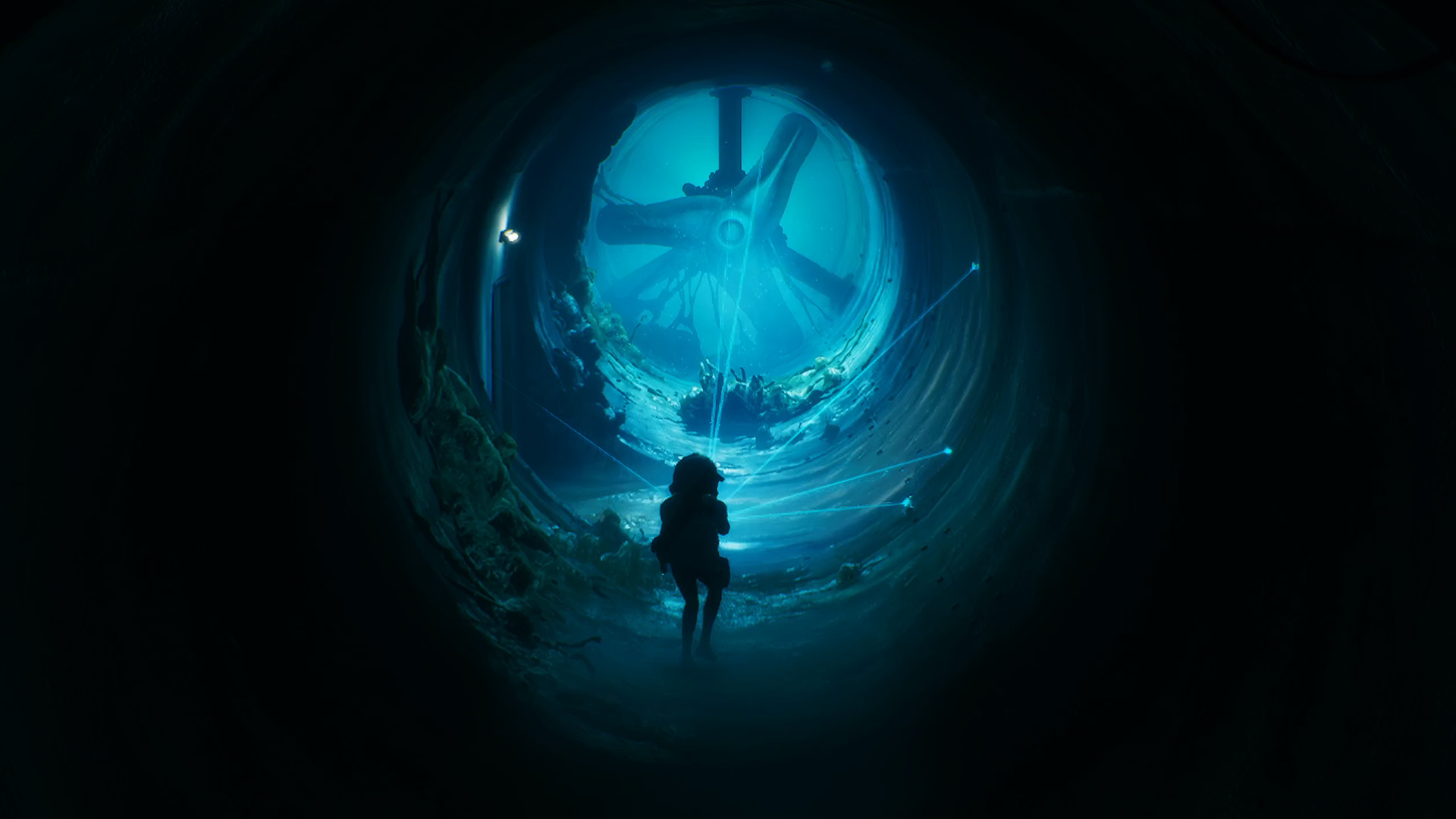
Personally speaking, if a distorted voice from a box invited me to visit them in a broken-down facility, I would stay at home under the covers. End of Abyss' protagonist Cel however, decides to take the invitation, armed with nothing but a pistol and a scanner.
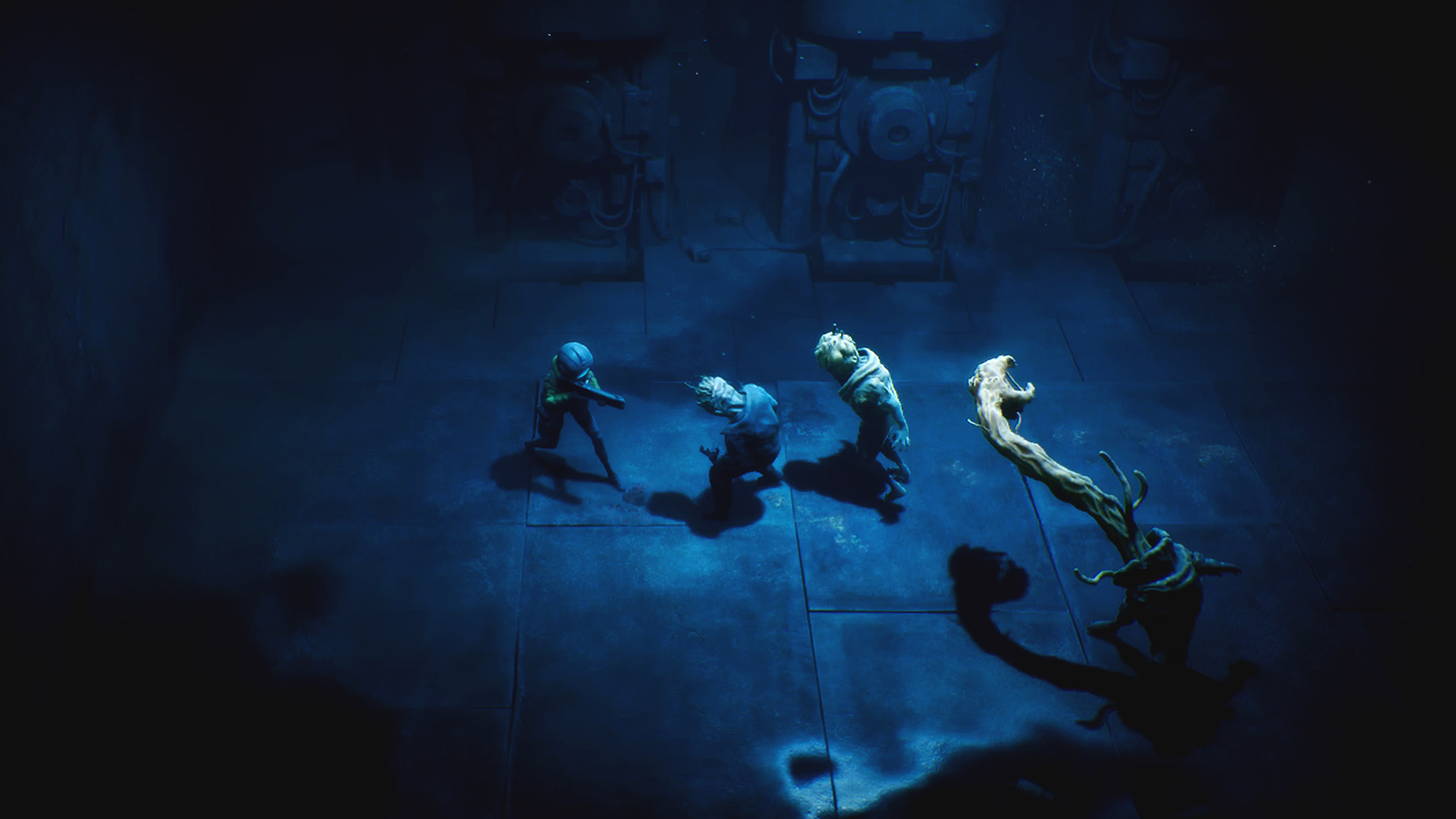
The light equipment, as ill-advised as it may seem, is key, as Section 9 co-founder Marcus Ottvall explains: "We always wanted the game to have relatively simple combat so that the game would be easy to pick up and play, but with a Metroidvania aspect that would let you find new weapons and equipment to power up your character and unlock and explore intertwining areas."
The controls are sure to make things more challenging when multi-legged horrors are scuttling towards you or masses of small vermin threaten to overwhelm you in narrow corridors. The camera perspective on the other hand fits the horror concept well – I'm a bit worried that it may need some getting used to, but it makes Cel look small and lost while I as a player watch her from far away, just like the monsters waiting for her.
Little Familiar

Big in 2026 spotlights the 50 most anticipated games of the year, with developer access that you can't get anywhere else. Join us daily for new previews, and visit the Big in 2026 coverage hub to find every article that we've published so far.
You'd be forgiven for thinking End of Abyss feels somewhat familiar, especially due to the amazing atmospheric lighting and Cel's somewhat small, perhaps even child-like appearance. Developer Section 9 Interactive was founded by former developers from Tarsier Studios – the studio behind Little Nightmares.
Seeing End of Abyss for the first time, I couldn't help but think of Little Nightmare's approach to horror, something more pleasantly creepy than truly horrifying, and always strangely beautiful to look at. The games also share a love for great sound design, a horror fan's favorite ASMR cocktail of dripping pipes and things that go bump in the dark somewhere far away.
Marcus Ottvall doesn't mind the comparison, but to him, it's more of a coincidence, especially given End of Abyss' early concepts: "The game started out as a bit of a cartoony action game, a kind of top-down twin stick shooter with some adventure elements. Player movement was quicker back then, with fast dodges to avoid enemy attacks."
"During development, we talked about how there really weren't that many top-down Metroidvania games and we wanted to explore that idea. We started leaning towards a more serious tone. We discussed sci-fi anime and classic horror movie inspirations, and began forming a darker atmosphere, and horror elements were introduced, shifting the game toward slower-paced gameplay."


"The games we've worked on before are probably more a part of who we are than something we are inspired by," Ottvall continues. "We hope our game can stand on its own, but we're happy to be mentioned alongside games that leave such a strong impression [as Little Nightmares]."
End of Abyss' inspirations include horror classics such as Alien and The Thing, but also the The Legend of Zelda, among others. As an old anime nerd, my ears perk up especially at the mention of Ghost in the Shell and Akira. I definitely see the Akira inspiration in some of the monsters, fleshy masses of limbs and muscle with several faces that split apart when Cel shoots them. It's the Ghost of the Shell reference that makes me ask for more details about Cel, seeing as the film's protagonist is a cybernetically augmented woman. Could the same be true for Cel?
"We don't want to share too much about the universe and its characters, but we can say that Cel is a young technician with basic combat skills," Marcus says. "She has been put in a group of soldiers mainly for her technician abilities. Cel is important for the mission, but she isn't the leader of the crew, so she follows the orders that she is given." What exactly those orders are is of course secret.
"The games we've worked on before are probably more a part of who we are than something we are inspired by"
Marcus Ottvall
End of Abyss offers a lot of interesting approaches to the Metroidvania genre, from slower combat to its experimental camera perspectives. What key here is that Section 9 isn't afraid of playing with genre traditions or player expectations. An example of this is the scanner. The scanner doesn't strike me as a classic Metroidvania tool, and according to Section 9 co-founder Mattias Otvall, that's exactly the point.
"It's a tool that we created for making the exploration more manageable and enjoyable," he says, explaining that scanning your environment (and the creatures around you) can also provide extra information about the world and the secrets it contains. "Metroidvania games can get disorienting at times, so the scanner helps you to mark points of interest on your map so you can have an easier time finding where to go later on."



You must confirm your public display name before commenting
Please logout and then login again, you will then be prompted to enter your display name.