

Maintaining a live-service game is a tough line of work. You've got to keep the updates coming, constantly roll out hotfixes, and you're constantly relying on your community to make the release viable. Warframe's been going steady for 13 years now, an impressive feat, and Rebecca Ford, the game's creative director, takes nothing for granted.
"You can be as wise as those that came before you, you can learn from those who have not continued on, and the truth is always somewhere in the middle of it," she explains to GamesRadar+ during an interview at TennoCon 2026. "Just try and make a good game before they kick you out."
That's a slightly dispiriting outlook, but it's pragmatic, since we just saw the sudden finish of Destiny 2. Bungie's sci-fi FPS came to a slightly unceremonious end in June, with a sudden final update after it was reported Sony took a considerable loss on acquiring the studio, leading to a large amount of layoffs.
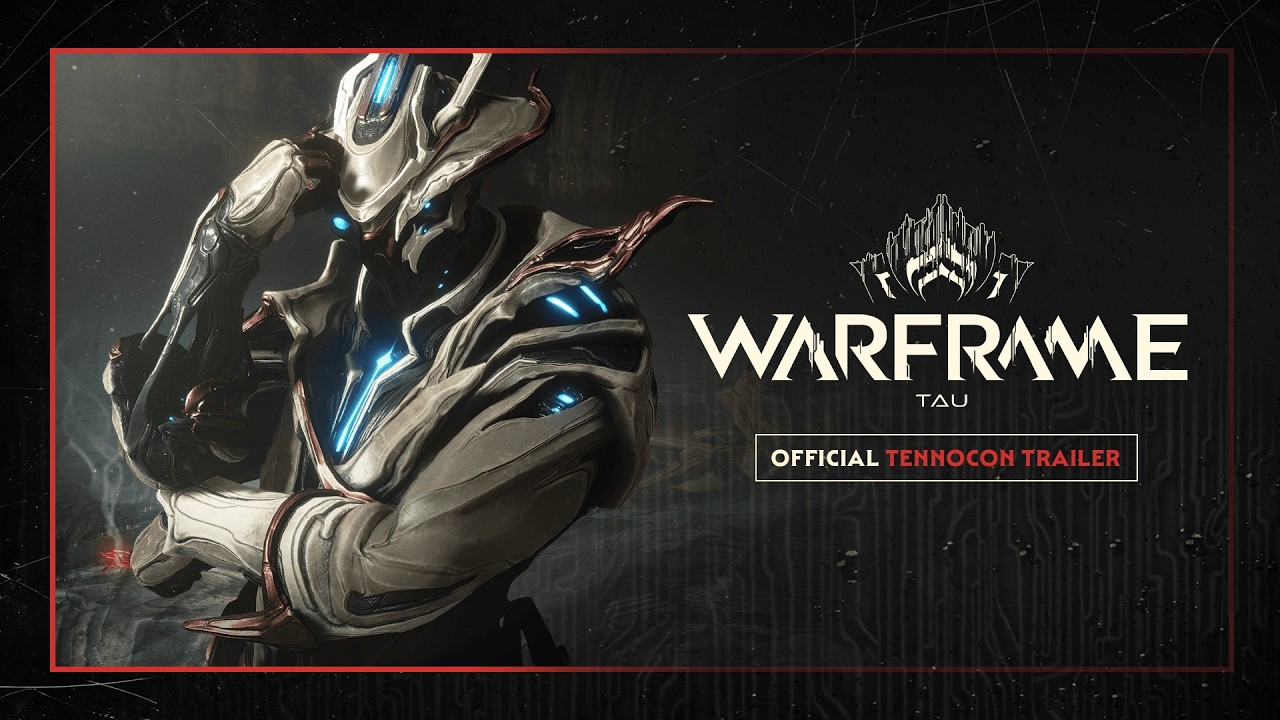
Warframe developer Digital Extremes knows full well the environment it's in. "It shows that even if you care so much, the business side of this industry always gets the last remark," Ford says of what happened to Bungie. "Those are the types of stories and experiences that, when you're in a position where you have your own game, your own IP, and you work as hard as you do on it… That's not the first time it's happened, and it'll happen again, where the business aspect of the video game economy makes the decision for you."
She mentions that "the idea that we aren't in charge of our own goodbye is something I wake up thinking about every single day," demonstrating the kind of pressure she and her colleagues work under. Right now, Warframe seems to be going strong. TennoCon gets bigger each and every year, and being both free and well-balanced as a game makes Warframe appealing and easy to settle into.
There have been layoffs in the studio before, though, and Ford notes that despite this, the internal structure contains many longtime employees – including herself, as she's risen from community management to her current role – giving them a distinct perspective.
"Anyone here in a leadership position didn't come into the company in that position, which I think gives us a little bit of a unique way of working as a team," she explains. "None of us signed up for this, but we do it because it must be done, and we trust each other, which is one of the most fundamental parts of our operations, and every day, every week, we can improve how we work as a business with an office, or how we work remote as a studio."

