-
 NewsEven as Xbox drifts away from consoles and exclusives, former exec says the Xbox 360 set Microsoft up for success: "Look at them now, continuing to be the powerhouse – the global powerhouse"
 -
-
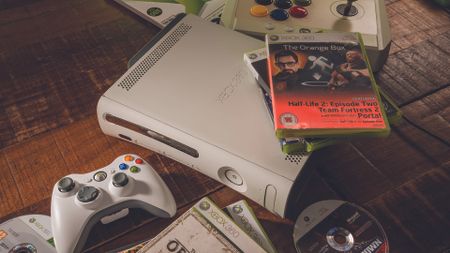 NewsFor a better Xbox 360, former Xbox exec pretended to be longtime PlayStation boss Ken Kutaragi: "You've got to understand what's going on in the head of the other guys"
 -
newsFormer Xbox boss says Microsoft was "disadvantaged" before the Xbox 360 era where it was able to "flex its muscles" in third-party gaming: "Having developers feel good, make money on your platform was key"7 Comments
-
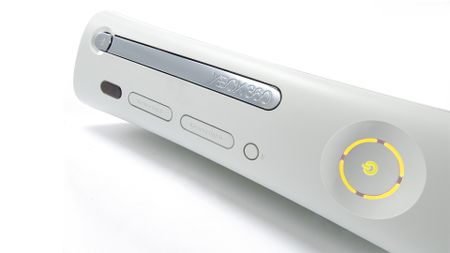
 NewsFormer Microsoft exec says if Xbox hadn't shelled out $1.15 billion to fix its infamous red ring of death, "I'm not sure the Xbox brand would be around today"37 Comments
 -
 NewsAs the Xbox 360 marketplace enters its final day, one former exec pays tribute to the beloved store: "All good things must come to an end"
 -
 NewsAfter 18 years, the Xbox 360 store is shutting down, taking hundreds of digital games with it
 -
newsMicrosoft says its message about the Xbox 360 closing in May was "posted in error"
-
NewsMicrosoft knows you want the Xbox 360 dashboard's blades back, but it ain't happening
-
 GuideBatman Arkham City Identity Theft side mission guide
 -
 AdventureLEGO Batman 2 Red Brick Locations
 -
 FeaturesXbox One backwards compatible games list - every old game you can play today
 -
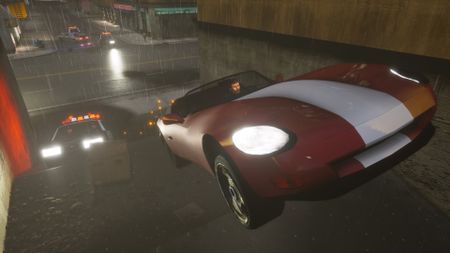 NewsXbox rejected GTA 3 because it didn't think Rockstar could make it
 -
 GJA 2021How we chose the Ultimate Game of All Time shortlist for the Golden Joystick Awards 2021
 -
 NewsTimothee Chalamet reveals that he used to mod Xbox 360 controllers on YouTube as a kid
 -
NewsXbox 360 blades dashboard has been re-imagined on the Xbox website
-
 NewsXbox engineer saves player's 360-era avatar after chance Twitter encounter
 -
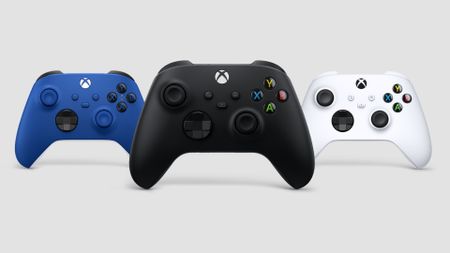 NewsWorld’s most expensive controller is an Xbox Series X controller made from solid gold
 -
 NewsPeter Moore on how Xbox solved the Red Ring of Death
 -
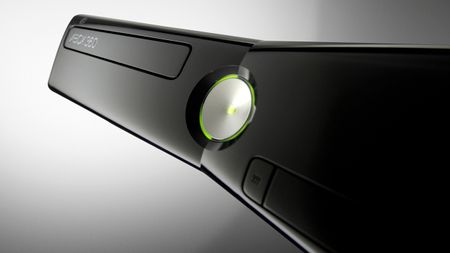 FeaturesThe 7 best uses for your old Xbox 360
 -
 Xbox NewsTake a nostalgic look back at Xbox 360's dashboard Blades with this super weird 2007 video
-


