



Remember when Overwatch came out, and then the next few years saw a glut of hero shooters that followed in its wake? And then remember how almost all of those games died away without a trace? LawBreakers, Battleborn, Gigantic, The Amazing Eternals - remember those?
The hero shooter is a member of an unfortunate trend - a genre that only ever really supported a tiny handful of games, and that claimed the lives of far too many projects that came afterwards. After Valve all-but moved on from Team Fortress 2, Overwatch and Paladins were two of the only games to genuinely thrive in this specific genre space, with the latter likely succeeding in no small part because it was a free alternative to Overwatch. Since then, the likes of Apex Legends and Valorant have taken some of the hero shooters' ideas forward, but since Overwatch's gradual obsolescence and the fumbled landing of Overwatch 2, the genre has shrunk into relative decline.
So why is it coming back now?
Dead-eye

In the past few months alone, I count four high-profile hero shooter projects making their way into the public eye. Marvel Rivals, a comicbook-backed effort that steers very close to Overwatch's competitive formula, was the first to step into the light, but it was eventually joined by Concord, Sony's sci-fi effort that comes with its own substantial dash of Guardians of the Galaxy. Around that same time, Valve's rumored next game, widely understood to be a hero shooter called Deadlock that's one of the worst-kept secrets in the industry at the moment, began to slip into the public eye. The final contender is Fragpunk, a card-based hero shooter that veers closer to Valorant than any of these games, but is still firmly marketed as a hero shooter.
I've not played Concord, Valve still isn't publicly acknowledging Deadlock, and I'm conscious that my relatively brief time with Marvel Rivals and Fragpunk isn't enough to get a true assessment of their overall quality. That quality, however, is unlikely to be entirely linked to their eventual fates - there are enough perfectly competent games out there that died a death because of their inability to attract an audience to suggest that success and caliber are not inherently linked.

Instead, I imagine that the lifespans of all of these games will be determined by whichever company wins the combined arms race of release date, marketing spend, and audience reception. With four relatively interchangeable games on the way at the same time, whoever manages to launch first will start with a significant advantage. That could be good news for Concord, which also has the marketing might of Sony behind it. But what of Deadlock, which seems likely to launch last, and will have Valve's free advertising machine backing it? They say he who laughs last, laughs loudest, and with a Steam-sized megaphone strapped on, Gabe Newell is already laughing pretty loud.
There can be only one
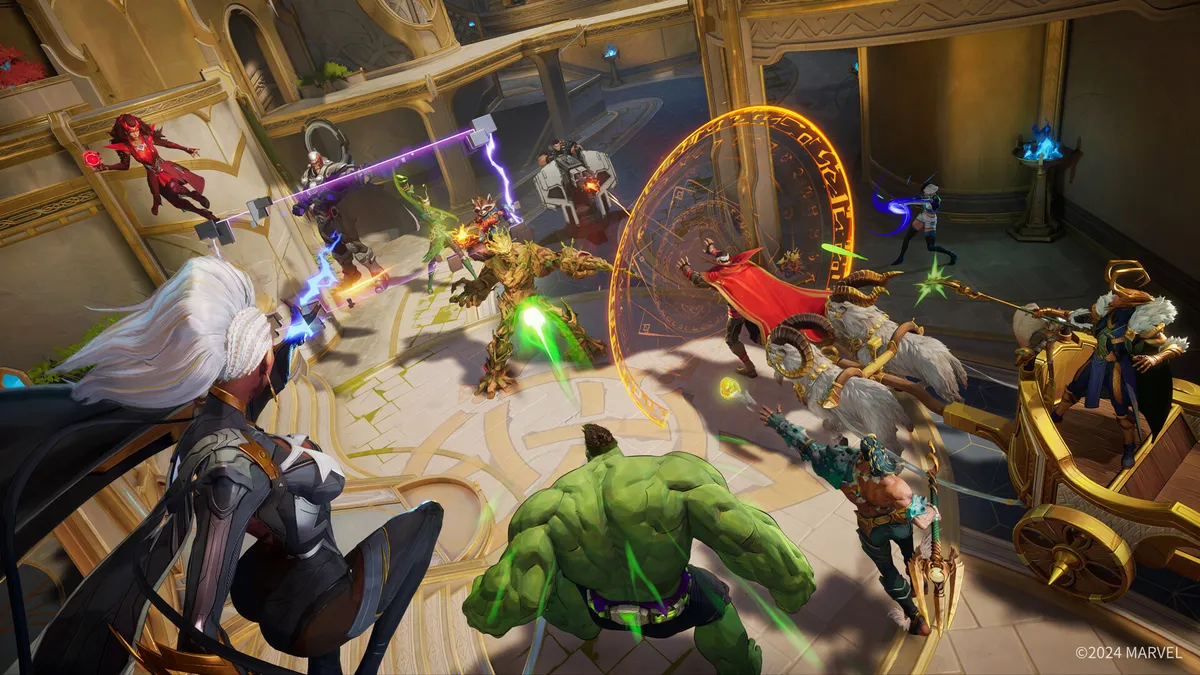
It's possible that all of these games find some degree of success. Maybe Marvel Rivals hits a more casual crowd, Fragpunk offers a desirable alternative to Valorant in a subgenre that's yet to see any real competition, Deadlock captures the PC crowd and Concord sweeps up the PlayStation players. Maybe that happens, but it feels unlikely given the Blizzard-sized elephant in the room: Overwatch still exists.
Available for free on both PC and console, with the backing of a decade of the sunk costs of millions of players, a genre-leading narrative universe, and now the support of the biggest company in the world, Blizzard got here first, saw off plenty of competition, and yet still ended up managing Overwatch's long-term decline. The reasons for that decline are myriad; the likes of Valorant and Warzone have fragmented the shooter audience by offering new experiences; the lengthy development of Overwatch 2 left its predecessor neglected, furthering their migration to those new experiences; and perhaps most important is the simple fact that few games survive entirely unscathed for an entire decade. All empires, even Blizzard's, must eventually fall. But the fact remains - the hero shooter's time appeared, very publicly, to have passed.
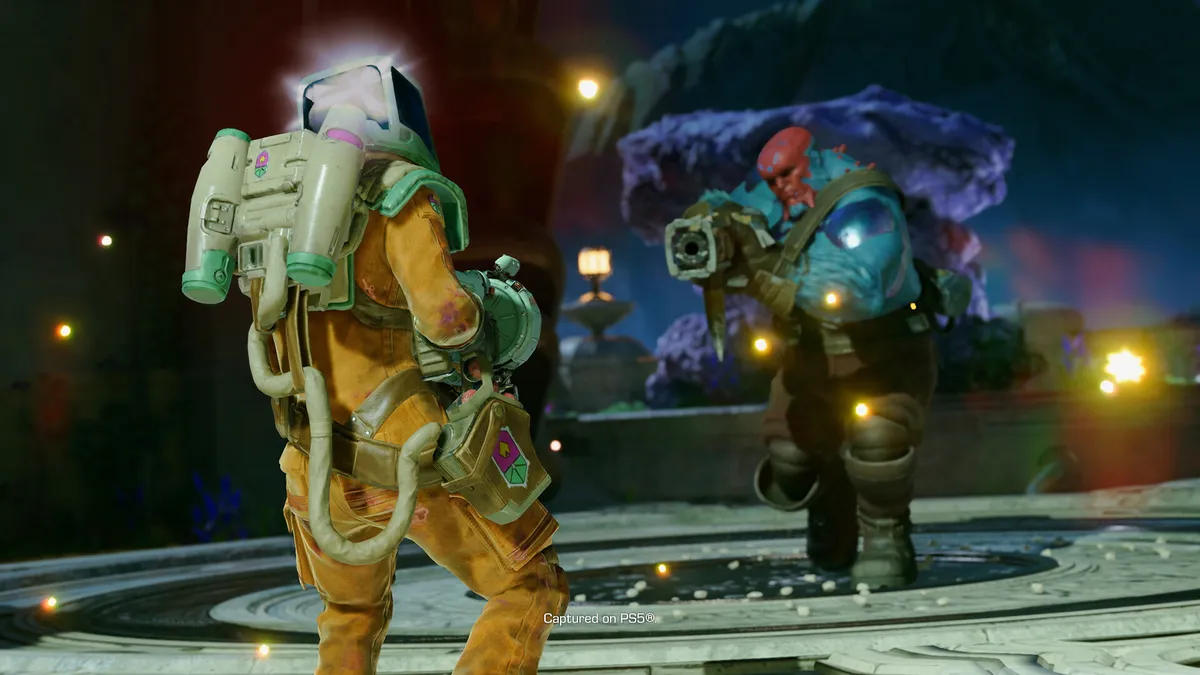
That we find ourselves back here so many years after even the genre's greatest juggernaut had left its prime is strange. That the hero shooter appears to have been one of the biggest trends to come out of this summer's entire slate of industry events is truly baffling. I'd like to hope that any or all of these games could find enough of an audience to keep them going, but in the last decade alone I've watched enough juggernauts strangle the life out of their competition - and often the rest of the entire genre - that I think only one of these games will still be around a few years from now. And that's only if they're lucky.
Read our full hands-on Marvel Rivals preview from Summer Game Fest.

