GamesRadar+ Verdict
Pros
- +
Fond memories of past revolutions
- +
Still fun
- +
despite problems
- +
Mods may just save the day
Cons
- -
Killer item micromanagement
- -
Little shortcomings everywhere
- -
The writers attempts at humor
Why you can trust GamesRadar+ Our experts review games, movies and tech over countless hours, so you can choose the best for you. Find out more about our reviews policy.
There are few jobs more thankless than remaking cult classics. You’re either damned for changing the original too much (while failing to improve on it) or for changing it too little (while failing to improve on it). And you can rest assured that the original work’s hardcore, deeply insular fanbase will take you to task, repeatedly and at length, for every single perceived misstep or shortcoming. Such is the scenario faced by BitComposer and Coreplay (“BC&C”), creators of the new Jagged Alliance: Back in Action, a remake of the 1999 turn-based strategy classic Jagged Alliance 2. As is often the case in these situations, the results are deeply mixed.
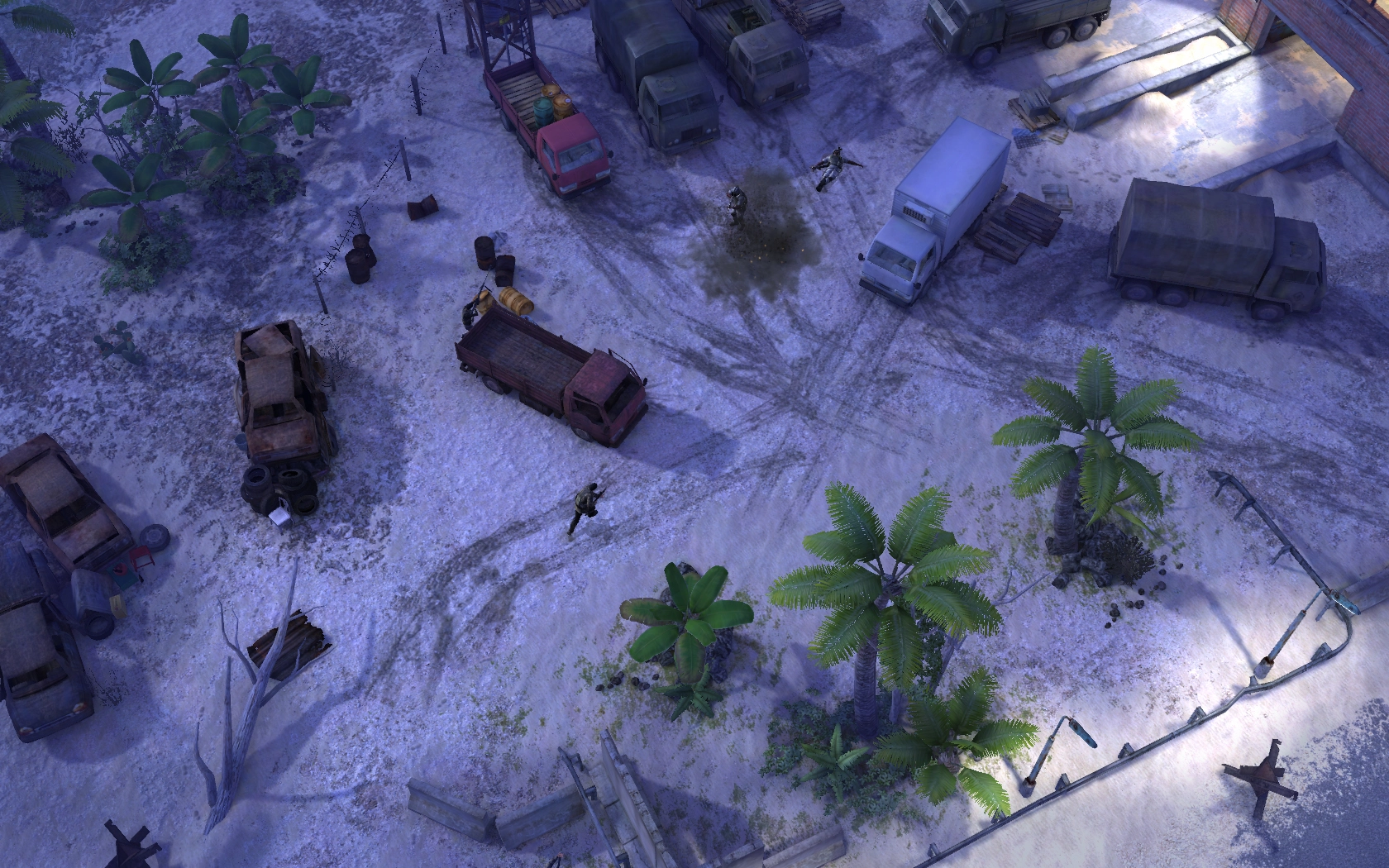
While Jagged Alliance 2 is a fantastic game to this day, BC&C were not shy in attempting improvements - naturally enough, considering the eons that’ve passed since the original. The most obvious is the fully 3D engine, which allows for more complex, multilevel battlefields and height-based attack strategies. Further, Back in Action replaces the turn-based combat of the original with a hybrid real-time system, called Plan & Go. It lets you pause at any time, issue orders to your teams of mercs, and then resume to see them carried out.
Your goal remains the same: Assemble an elite squad of paid-for-hire mercenaries to win back the small island nation of Arulco from a vicious dictator. You’ll need to take it back sector by sector, inspiring the beleaguered civilians you meet along the way to take up your cause (as AI-driven militia) and help guard your ever-expanding territories. Taking back an island with your slowly growing cadre of elite corps is an enjoyable premise, and Back in Action succeeds in delivering the basics of strategic, pseudo real-time combat, NPC-given quests, and most of the other requisite checkboxes. It’s often pretty fun, and we enjoyed much of our time spent learning the ropes and getting started.
The problems come in the details. For example, your mercenaries’ contracts no longer expire, which drains a significant part of the tension from the metagame management challenge. The stat growth system is also neutered; with a level cap of 10 and only 7 skill points to allocate per level (skills max at 100, and there are 10 skills), there isn’t much room to grow and shape your mercs. Alas, more expensive mercs that start with higher stats are out-and-out superior to their early-game colleagues. In effect, Back in Action is giving you fewer viable strategic choices, which is odd for a remake of a game that’s famously open-ended.

Plan & Go is another muddle: It works but it’s limited. While it’s neat to be able to queue up actions in advance, in practice you’ll be jumping back in to cancel and tweak every five seconds to accommodate the enemies’ latest actions. (The interface for this is annoyingly fiddly.) Similarly, it’s neat that you can synchronize the actions of two characters, but why limit it to two, when your squads can hold up to six? Good ideas, but in practice they feel half-baked.
More info
| Genre | Strategy |
| Platform | "PC" |
| US censor rating | "Mature" |
| UK censor rating | "" |
| Release date | 1 January 1970 (US), 1 January 1970 (UK) |


